Minimalism: The Modern Key to Sustainable Living

Minimalism: The Modern Key to Sustainable Living

Sustainability isn’t just about recycling or using renewable energy. It begins with mindset, intention, and lifestyle. At the heart of sustainable choices lies minimalism, a philosophy that challenges the culture of excess and replaces it with purpose, balance, and environmental mindfulness.

Minimalism doesn’t ask people to give up everything they love, but to focus on what truly matters — the essentials that bring value without unnecessary waste. As more people seek ways to live consciously, minimalism is emerging as one of the most powerful approaches to sustainable living.

The Connection Between Minimalism and Sustainability

Minimalism and sustainability share a common goal: reducing consumption to protect the planet. Every purchase we make, every item we discard, and every energy source we use has an ecological footprint. By embracing minimalism, individuals naturally consume less, waste less, and conserve more resources.

A minimalist mindset encourages people to buy with purpose and care for what they already own. This leads to fewer discarded products, lower production demand, and a smaller carbon footprint. Living simply means consuming thoughtfully, which directly aligns with the principles of sustainability.

From Excess to Essence: Redefining Needs

In modern society, people are often encouraged to equate success with possessions. The minimalist lifestyle flips that idea. It teaches us to prioritize quality over quantity and purpose over possession.

When we shift from constant accumulation to intentional ownership, we reduce strain on both our mental health and the environment. Imagine every home containing fewer items but each one built to last, ethically sourced, and energy-efficient. That is where minimalism meets true ecological responsibility.

This concept mirrors what sustainable living aims to achieve: reducing waste, conserving energy, and supporting materials and systems that respect the planet.

How Minimalism Reduces Waste

Waste management remains one of the largest environmental challenges. Every year, millions of tons of clothing, plastic, and electronics are discarded. Many of these items are barely used. Minimalism directly addresses this by promoting conscious purchasing and mindful disposal.

Instead of buying five low-quality items, a minimalist invests in one durable, ethically made alternative. This small mindset shift prevents unnecessary production and disposal, easing the strain on landfills and resource extraction.

Even more importantly, minimalism helps people value repair over replacement. Fixing a product extends its life cycle, further reducing waste and energy consumption.

Energy Efficiency and the Minimalist Home

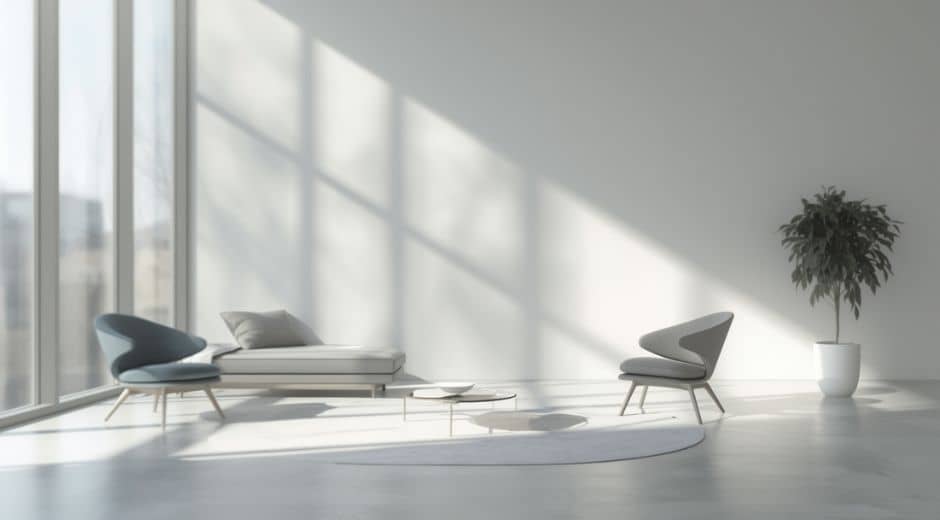
Homes filled with unnecessary electronics, unused appliances, and excess décor often consume more energy than needed. A minimalist home, in contrast, is functional and efficient.

Reducing clutter doesn’t only make a home visually calm — it also cuts down on cleaning, heating, and cooling costs. A simpler space requires less lighting and maintenance. For instance, living in a smaller house reduces electricity use, water consumption, and the amount of material used during construction.

Sustainable design companies now merge minimalism with eco-architecture, focusing on open spaces, natural light, and renewable materials. This synergy between design and sustainability is shaping the future of conscious living.

Minimalism in Fashion: Less is More

The fashion industry is among the most polluting on Earth. Fast fashion thrives on overproduction and overconsumption, leading to massive textile waste and carbon emissions. Adopting minimalism in wardrobe choices offers an elegant solution.

Creating a capsule wardrobe — a collection of essential, timeless pieces — promotes mindful consumption. Instead of chasing trends, individuals choose durable garments that mix and match easily. By buying fewer but better-quality clothes, consumers reduce demand for exploitative production and environmental harm.

According to a report from the BBC’s environmental section, minimalist fashion choices are directly linked to a lower carbon footprint and increased garment lifespan. (External source: BBC Earth)

Minimalism and Mental Clarity

One of the less discussed benefits of minimalism is mental clarity. When living spaces are decluttered and simplified, anxiety and decision fatigue naturally decrease. People who adopt minimalist habits often find themselves calmer and more focused.

This emotional stability indirectly supports sustainable living because it reduces impulse buying and promotes mindfulness. People who are more centered tend to make conscious choices about what they bring into their lives — and that extends to ecological decisions such as reducing waste and conserving energy.

Community and the Shared Economy

Minimalism encourages collaboration. Rather than owning everything individually, communities can share tools, vehicles, and resources. This shared economy reduces production demand and waste while building stronger social connections.

Car-sharing, co-working spaces, and community gardens are all real-world examples of minimalism in practice. These models allow people to live sustainably without sacrificing comfort or convenience.

Many of these ideas are echoed in sustainable living movements featured on EcoGlobalo Sustainable Living — a great resource for exploring how minimalism supports long-term ecological goals.

Conclusion: Minimalism as a Mindset for the Future

Minimalism is more than just simplicity; it’s sustainability in action. By choosing to live intentionally, people naturally support the environment, reduce waste, and conserve energy. It’s not about deprivation but liberation — from excess, clutter, and environmental harm.

Living with less doesn’t mean living without joy; it means rediscovering it in smaller, more meaningful forms. As the world moves toward eco-consciousness, minimalism stands as a timeless reminder that true abundance lies in having enough — and knowing it.

Live Green Think Global

Scroll to Top
Receive the latest news

Subscribe To Our Weekly Newsletter

Get notified about new articles