Regeneration: The Heartbeat of a Truly Sustainable Future
For decades, sustainable living focused on reducing harm — lowering emissions, recycling, and saving energy. But as global challenges grow, it’s no longer enough to simply lessen damage. Humanity now needs a shift in perspective, one that doesn’t just preserve but actively heals. This is where regeneration emerges as the new cornerstone of ecological progress.
Unlike approaches that only aim to maintain balance, regeneration restores ecosystems, revives communities, and nurtures resilience. It’s a dynamic process where humans and nature thrive together, building a world that is not merely sustainable, but abundant.
Understanding the Meaning of Regeneration
At its core, regeneration means renewal. It’s the natural world’s ability to recover, adapt, and flourish after disruption. In ecological terms, regeneration describes how forests grow back after fire, how coral reefs rebuild after bleaching, and how communities can restore degraded landscapes.
In lifestyle and policy, it represents living in harmony with nature’s cycles. A regenerative mindset asks: how can every action we take leave the world better than we found it?
This philosophy turns sustainability from a goal into a living practice — one that embraces restoration, collaboration, and hope.
From Sustainability to Regeneration: The Next Step Forward
Sustainability asks us to use fewer resources. Regeneration goes further by asking us to give back. While recycling and energy efficiency remain essential, they are reactive; regenerative living is proactive. It rebuilds soils, restores biodiversity, and reinvigorates communities.
Imagine agricultural systems that improve soil health rather than deplete it, or urban gardens that clean the air and provide food security. These ideas aren’t distant dreams — they are already being implemented in regenerative farming, architecture, and energy systems worldwide.
This shift marks a deeper understanding: caring for the planet means designing human systems that work like natural ones — circular, balanced, and endlessly renewing.
Regeneration in Everyday Living
Regeneration is not limited to rural landscapes or large projects. It can start with individual choices. Every action that restores, rather than depletes, is regenerative.
Planting native trees, composting food waste, supporting local farmers, or choosing renewable energy all contribute to natural renewal. Community compost programs, rooftop gardens, and sustainable water systems represent tangible examples of regeneration in action.
Each small act creates ripples of ecological health that extend far beyond individual effort.
The Role of Regenerative Agriculture
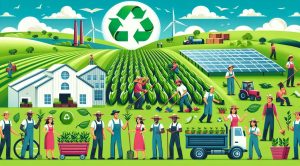
Agriculture is at the heart of humanity’s relationship with the Earth. Traditional industrial methods have eroded soil, polluted waterways, and disrupted ecosystems. Regenerative agriculture, however, transforms farms into living systems that replenish life.
Through techniques like crop rotation, cover cropping, and agroforestry, farmers rebuild soil fertility, store carbon, and enhance biodiversity. Instead of extracting, they cooperate with nature’s rhythms.
This approach doesn’t just feed people — it heals landscapes, revives pollinators, and protects future generations. As noted by National Geographic, regenerative farming can sequester significant amounts of carbon, making it a critical tool in the fight against environmental decline.
Regenerative Design in Architecture
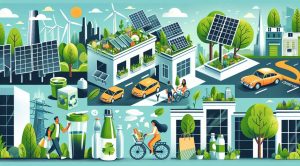
The spaces we live in can also become part of regeneration. Buildings designed with renewable materials, natural ventilation, and green roofs don’t just reduce impact — they give back to the environment.
Architects and urban planners are now creating regenerative cities that integrate vegetation, water capture, and energy generation directly into their design.
Imagine a city that cleans its air, filters its water, and produces food within its walls. That’s the vision of regenerative living, and it’s rapidly becoming a global movement.
For more insight into ecological design trends, you can explore related articles on EcoGlobalo.
Education and Regenerative Thinking
True change begins with awareness. Schools, universities, and online platforms play a crucial role in spreading regenerative knowledge. By teaching ecological literacy and systems thinking, they prepare future generations to design societies that sustain themselves naturally.
Environmental education fosters empathy toward the planet, encouraging curiosity about how systems interconnect. When young people learn that everything — soil, water, air, and life — is part of one continuous web, regeneration becomes second nature.
If you’re passionate about understanding how historical systems evolved toward modern ecological ideas, visit https://chronostual.com/ for cross-disciplinary perspectives that link history and environment.
Conclusion: Living for Renewal
Regeneration reminds us that the Earth doesn’t need saving — it needs partnership. By aligning our choices with nature’s wisdom, humanity can transform from a source of damage to a force of renewal.
Every garden planted, every forest restored, every idea rooted in empathy contributes to the pulse of life that sustains us all.
To explore more practical lifestyle steps for sustainable transformation, visit EcoGlobalo’s Sustainable Living section.
The journey toward regeneration begins with a simple promise: leave every place — and every moment — better than you found it.
Live Green Think Global

Sustainable Futures We Can Still Build

Ecosystem Services and Why Nature Matters

Climate Action Plans That Deliver Real Impact