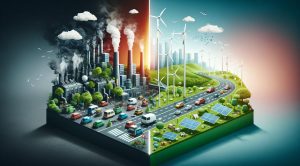


Understanding Carbon Trace and Why It Matters for a Sustainable Future
In an era of urgent climate action the phrase Carbon Trace is gaining attention from policymakers business leaders and everyday citizens Carbon Trace refers to the methods and tools used to follow the path of carbon emissions from their source through supply chains and into the environment It is a vital concept for accurate accounting for emissions setting credible reduction targets and creating trust in sustainability claims This article explores what Carbon Trace means why it matters how it is measured and practical steps that organizations and households can take to lower their Carbon Trace
What is Carbon Trace
Carbon Trace is a process for identifying quantifying and tracking carbon dioxide and other greenhouse gas emissions associated with an activity a product or an organization The goal is to map the emission flows to reveal where emissions originate and how they move through stages such as extraction production transport use and disposal By tracing emissions decision makers gain clarity that supports targeted interventions investment planning and transparent reporting
Why Carbon Trace is Essential Now
Global climate commitments demand accurate data Governments and regulators are introducing stricter reporting expectations Investors and consumers are increasingly demanding proof that companies are reducing emissions Carbon Trace provides a foundation for all three trends It reduces greenwash risk by linking claims to evidence and it enables more effective carbon reduction strategies by showing which sources are most important to address For timely global coverage and analysis on environmental topics visit ecoglobalo.com to stay informed
Key Components of a Robust Carbon Trace
There are several components that make Carbon Trace reliable and useful First accurate measurement requires consistent methods and reliable data Second traceability depends on the ability to follow emissions across partners and geographies Third transparency requires clear documentation and public disclosure Fourth verification adds credibility through third party review Together these elements create a Carbon Trace that supports meaningful action
How Carbon Trace Works in Practice
The process typically begins with data collection Companies gather activity data such as energy use fuel consumption raw material quantities and transport distances These inputs are converted into emissions using emission factors that represent the average emissions per unit of activity Next mapping links emissions to processes suppliers and products This mapping can reveal hotspots where a small number of activities account for a large share of emissions Once a baseline Carbon Trace is established organizations can model scenarios test interventions and report progress
Tools and Technologies That Enable Carbon Trace
Advances in data analytics cloud computing and sensor technology make Carbon Trace more feasible than ever Data platforms collect and harmonize inputs from suppliers facilities and logistics chains Satellite imagery and remote sensing can estimate land use changes while Internet of Things sensors monitor energy use in real time Blockchain and distributed ledgers can improve traceability by creating tamper resistant records for transactions and certificates Choosing the right mix of tools depends on the complexity of operations data availability and the level of granularity required
Carbon Trace for Small and Medium Size Enterprises
Small and medium size enterprises can benefit from Carbon Trace even if they lack large budgets The first step is a simple inventory that focuses on the most material sources of emissions such as electricity use heating and key suppliers By prioritizing actions that address major sources firms can secure cost savings and demonstrate progress to customers and partners Upskilling staff and joining industry collaboration platforms can provide access to shared tools and protocols
Carbon Trace at the Household Level
Carbon Trace is not only for corporations Governments and families can apply the same logic at smaller scale Households can track typical emission sources such as home energy use travel food and goods To make that practical families can focus on the highest impact levers For example switching to efficient appliances choosing low carbon transportation options and reducing food waste Each choice reduces a household Carbon Trace and can inspire broader community change For family friendly strategies that align planetary goals with everyday life explore ideas at CoolParentingTips.com
Policy and Market Drivers for Carbon Trace
Policy measures such as carbon pricing mandatory reporting standards and procurement rules are creating incentives for better Carbon Trace Many markets now expect suppliers to disclose emissions data Buyers and investors prefer partners who can demonstrate transparent emissions accounting This trend amplifies the business case for investing in traceability systems and encourages cross sector collaboration to harmonize approaches
Common Challenges and How to Overcome Them
A number of challenges can slow Carbon Trace efforts Data gaps are common especially for upstream suppliers in complex value chains Overcoming this requires supplier engagement training and sometimes sampling to estimate values Technical capacity can be limited so organizations benefit from partnering with consultants technology providers or industry groups Privacy and competitive concerns must be managed through data aggregation and secure sharing approaches Finally aligning emission factors and boundaries needs careful governance Clear documentation of methods and use of recognized standards helps ensure consistency
Measuring Success and Reporting Progress
Success in Carbon Trace is measured by improved data quality reduced emissions and enhanced stakeholder trust Reporting should be clear about scope boundaries assumptions and the methods used Regular updates and third party assurance strengthen credibility Organizations can adopt phased reporting starting with the most material sources and expanding coverage over time Transparent reporting enables continuous improvement and helps mobilize support for ambitious reduction plans
Practical Steps to Start Your Carbon Trace Today
Step one choose which parts of your operations or which products to trace Start with areas that are large or where quick wins exist Step two collect available data from bills meters invoices and supplier disclosures Step three apply recognized emission factors and document assumptions Step four engage partners including suppliers customers and third party validators Step five set targets and track progress with periodic reviews and updates Taking these steps turns Carbon Trace from a concept into a practical tool for sustainability
The Broader Value of Carbon Trace
Beyond emission reductions Carbon Trace supports resilience innovation and competitive advantage It can reveal opportunities for circular business models energy efficiency and supply chain optimization It also helps organizations prepare for future regulation and market shifts as global attention on climate accountability grows Carbon Trace is a strategic capability that aligns environmental stewardship with long term value creation
Conclusion
Carbon Trace is a critical element in the transition to a low carbon economy It equips organizations families and policymakers with the insight needed to target action measure progress and build trust As tools and standards evolve Carbon Trace will become more accessible offering pathways to meaningful impact Starting with clear priorities accurate data and transparent reporting anyone can begin to trace emissions and contribute to a healthier planet For ongoing analysis and global perspective on environmental issues visit ecoglobalo.com and for practical family oriented ideas that reinforce sustainable living see CoolParentingTips.com