

Earth Logic: A Practical Path to Regenerative Living and Systems
Earth Logic is emerging as a powerful framework that moves beyond incremental fixes to embrace systemic change. At its core Earth Logic asks how design policy production and daily choices can align with the capacity of the living world. This article explores what Earth Logic means why it matters and how people businesses and communities can put Earth Logic into practice to support resilient ecosystems and thriving societies.
What Earth Logic Actually Means
Earth Logic is a way of thinking that prioritizes the health of ecosystems as the foundation for human wellbeing. It challenges models that treat nature as a resource to be extracted and instead proposes that nature is the source of life systems and services. In practice Earth Logic encourages decisions that regenerate soils restore biodiversity and keep materials in circulation while reducing pollution and waste. It links science traditional knowledge and cultural practice with practical design and policy pathways.
Why Earth Logic Matters Now
Global pressures on climate biodiversity and human health mean that small improvements in existing systems will not be enough. Earth Logic offers a holistic lens that highlights root causes and interconnections. By adopting Earth Logic organizations can reduce risk create long term value and contribute to stable climate systems. For individuals Earth Logic provides pathways to make meaningful choices that align private behavior with collective survival and quality of life.
Core Principles of Earth Logic
Several key principles guide Earth Logic thinking. First the living world must be respected as the primary economy provider. Second production and consumption should support cycles of regeneration rather than linear extraction. Third social justice and inclusion are central because environmental crisis and social crisis are intertwined. Fourth knowledge systems must include science traditional practice and community wisdom. Finally design and policy should aim for repair and resilience rather than short term efficiency alone.
Applying Earth Logic in Design and Production
Designers manufacturers and policy makers can use Earth Logic to reframe project goals. This means moving away from single metric measures such as cost or immediate productivity to embrace multiple indicators including ecosystem health material circularity and social wellbeing. Practical steps include choosing materials that are safe and can be reused or composted designing products for longevity and repair and creating supply lines that support local economies and biodiversity. This approach can also reduce exposure to resource shocks and supply chain disruption.
How Businesses Can Integrate Earth Logic
Companies that adopt Earth Logic can build resilience and earn trust with customers investors and communities. Start by mapping your full impact on land water biodiversity and people. Then prioritize actions that restore rather than degrade. Examples include shifting to regenerative agriculture sourcing supporting repair services and investing in local supply systems that strengthen regional ecosystems. Transparent reporting that includes ecological indicators will help organizations track progress and encourage continuous improvement.
Community Level Actions That Reflect Earth Logic
Communities play a central role in translating Earth Logic into lived reality. Local initiatives such as urban greening community gardens habitat restoration and community owned renewable energy projects all align with Earth Logic. Education and participatory planning ensure that decisions reflect local needs and knowledge. Collective action can scale through networks that share best practice tools and resources enabling communities to influence regional policy and investment.
Personal Choices That Support Earth Logic
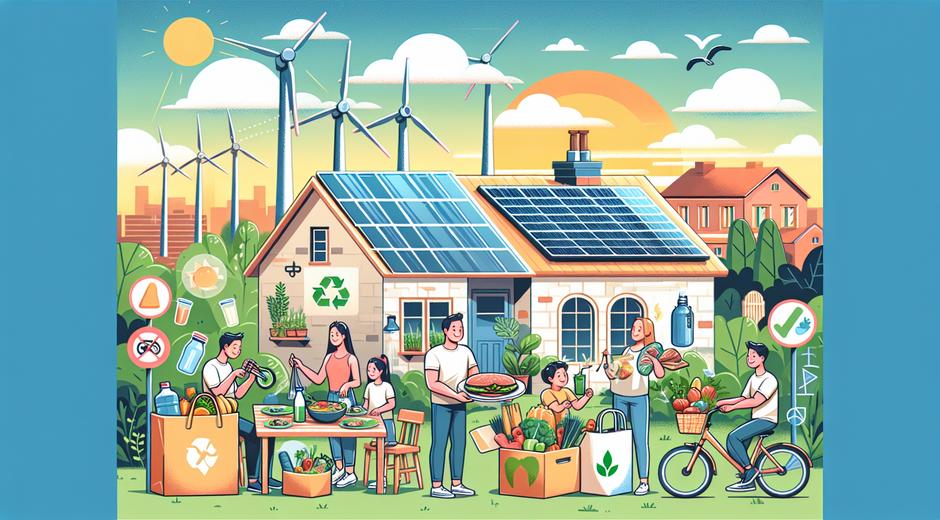
Individual choices matter because patterns of consumption shape markets and policy. Adopting Earth Logic in daily life might mean prioritizing products with transparent sourcing choosing reuse and repair over throwaway culture reducing energy demand and supporting community initiatives that restore habitats and social cohesion. Small consistent actions become meaningful when they shift demand and influence how business and government decide.
Measuring Success Under Earth Logic
Success metrics for Earth Logic move beyond simple economic indicators to include ecosystem indicators such as soil carbon biodiversity abundance water quality and the resilience of food systems. Social indicators are also essential including community wellbeing equitable access to resources and cultural vitality. Integrating multidisciplinary monitoring helps ensure that interventions are effective and responsive to changing conditions.
Common Challenges and How to Overcome Them
Transitioning to Earth Logic can be challenging because existing institutions often favor short term returns and linear processes. Obstacles include regulatory barriers limited access to finance for regenerative projects and knowledge gaps. Overcoming these barriers requires coalition building between civil society business academia and government. Pilot projects and demonstration sites can show feasibility and build political will while new financing mechanisms can lower risk for earth centred investments.
Resources and Partners for Implementing Earth Logic
Practical resources make the shift to Earth Logic easier. Online knowledge hubs community networks and specialist consultancies offer toolkits training and data that support design policy and practice. For readers seeking a broad global perspective and curated analysis visit ecoglobalo.com where news and case studies highlight innovations aligned with Earth Logic. For specific products or services that promote regenerative practice consider partners who follow ecological science and community standards such as BioNatureVista.com which showcases regenerative approaches across agriculture and restoration.
Policy Pathways That Enable Earth Logic
Governments can accelerate Earth Logic through policy that rewards regeneration. Examples include public procurement rules that prefer restorative products incentives for restoration and reuse and land use policies that protect and reconnect habitats. Financial policy that integrates ecological risk into lending and investment decisions will help shift capital toward long term resilience. Effective policy combines regulation with support for community led initiatives and knowledge sharing.
Stories of Success
Across the world there are inspiring examples where Earth Logic thinking has led to measurable gains. Regenerative farming practices have improved soil health and yields while increasing biodiversity. Cities that redesign streets and public spaces for nature and people report improved wellbeing and cleaner air. Community led restoration projects have rebuilt coastal and river habitats improving fisheries and flood protection. These stories show that Earth Logic is not abstract but practical and transformative.
Next Steps to Embrace Earth Logic
Adopting Earth Logic begins with a commitment to learning and action. Start by assessing where your decisions most affect the living world. Build partnerships with local community groups researchers and practitioners. Test small projects that demonstrate measurable ecological and social benefits and scale those that show success. Share lessons openly to accelerate collective learning.
Conclusion
Earth Logic offers a coherent roadmap for redesigning how we live produce and govern. It centers the living world as the basis for resilient economies and thriving societies. By combining rigorous measurement with inclusive practice and creative design it is possible to shift systems in ways that benefit people and planet. Whether you are a leader maker or citizen adopting Earth Logic can help create the conditions for life to flourish now and for generations to come.