

Fresh Air: Why It Matters for Health Society and Planet
Fresh Air is more than a simple sensation on a warm morning. It is a critical ingredient for human health urban vitality and ecological balance. Around the world communities are waking up to the reality that air quality shapes life expectancy productivity and quality of life. In this article we explore what Fresh Air means why it matters and how individuals communities and policymakers can work together to protect and expand access to clean breathable air.
What We Mean by Fresh Air
When we talk about Fresh Air we refer to outdoor air that is low in pollutants and rich in oxygen and natural aromatic compounds from plants. Fresh Air is free from excessive particulate matter ozone nitrogen oxides sulfur compounds and toxic volatile organic compounds. It is air that supports clear thinking efficient lung function and overall wellbeing. Access to Fresh Air can vary widely from one neighborhood to another depending on traffic patterns industrial activity and local green space.
Health Benefits of Fresh Air
Fresh Air supports respiratory health by reducing exposure to particles that can inflame airways. It helps maintain cardiovascular health by lowering pollution related stress on the heart and blood vessels. For mental health Fresh Air often means a reduction in anxiety and improved mood. Many studies show that time spent outdoors in clean air improves sleep quality cognitive performance and social connection. Children and older adults are particularly sensitive to polluted air so expanding access to Fresh Air is an equity issue for public health planners.
Fresh Air in Urban Settings
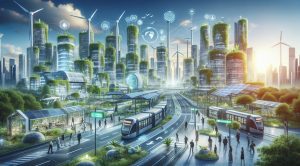
Cities concentrate people energy and emissions yet they also offer unique opportunities to enhance access to Fresh Air. Urban design that prioritizes parks tree lined corridors reduced traffic and efficient public transport can make a dramatic difference. Planners use green infrastructure to filter pollutants and cool neighborhoods. Community gardens small urban forests and strategically placed water features all contribute to pockets of Fresh Air that residents can enjoy. For more coverage on global solutions and local success stories visit ecoglobalo.com which brings news and analysis from around the globe.
Indoor Fresh Air Matters Too
Most people spend a large part of their day indoors so indoor Fresh Air deserves attention. Ventilation heat recovery systems and simple practices like opening windows when outdoor air quality is good can reduce indoor pollutant levels. Houseplants can help in certain circumstances by contributing to a sense of Fresh Air though they are not a substitute for proper ventilation. Homes schools and workplaces that invest in air filtration and monitoring yield healthier occupants and fewer sick days.
Measuring Fresh Air
Advances in sensor technology now allow communities and individuals to measure air quality in real time. Low cost monitors can track particulate levels ozone and other markers that influence how Fresh Air feels and how safe it is to breathe. Public dashboards help people plan activities and avoid exposure during poor air events. Policymakers use this data to target interventions and to evaluate the impact of traffic restrictions emissions rules and green infrastructure investments.
Everyday Actions to Get More Fresh Air
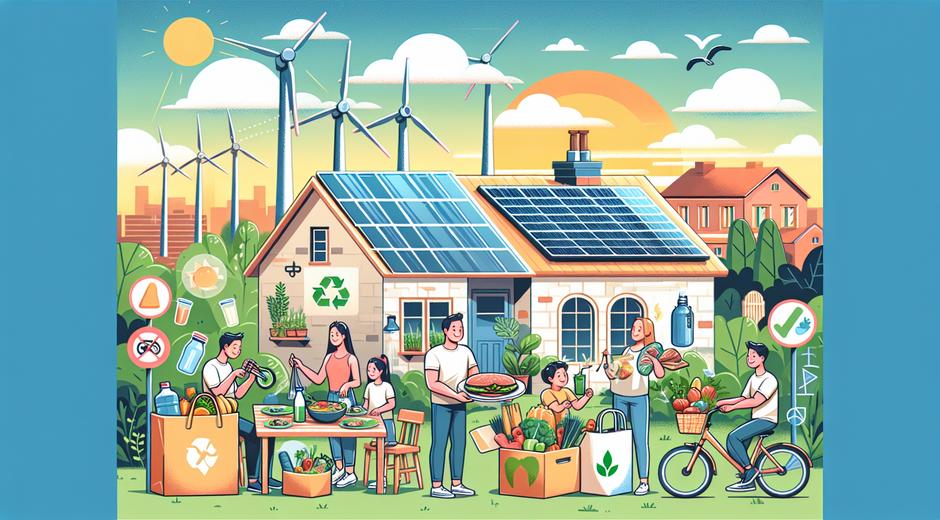
There are simple steps individuals can take to increase their exposure to Fresh Air and to help others gain access as well. Choosing active travel by walking or cycling when conditions allow reduces emissions while increasing personal Fresh Air time. Supporting local tree planting projects and green space protection helps build resilient urban lungs. Reducing the use of highly polluting devices for cooking and heating protects households from indoor pollution. Community advocacy for better public transport and for traffic calming measures can improve air quality at the neighborhood scale.
Fresh Air and Climate Connections
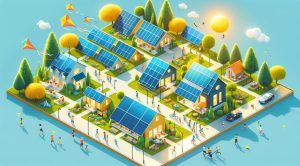
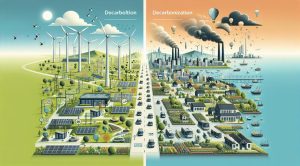
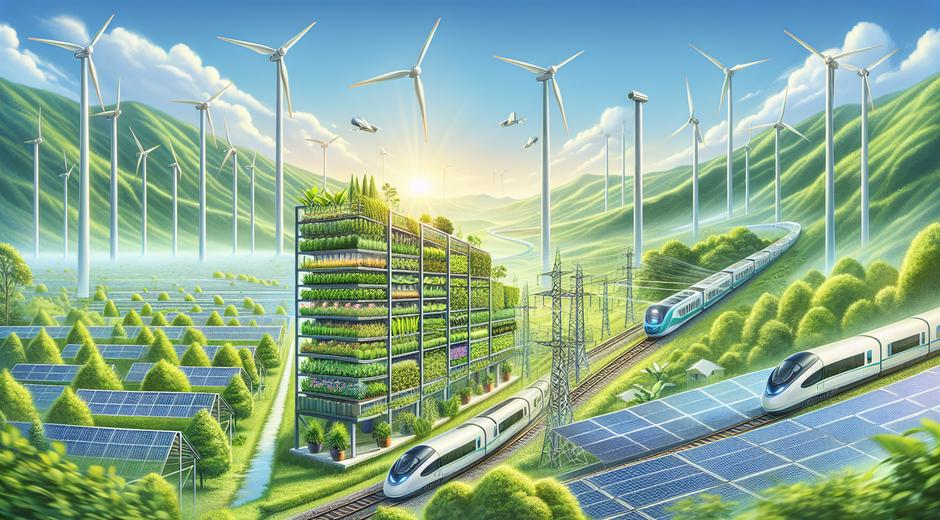
Solutions that improve Fresh Air often align with climate action. Shifting from fossil fuel based energy to renewable sources reduces greenhouse gases and many co pollutant emissions at the same time. Strengthening building efficiency and expanding public transport reduce both energy demand and local emissions. By framing Fresh Air as a shared climate and health priority policymakers can unlock broader support and funding for durable solutions that benefit present and future generations.
Nature Based Strategies for Fresh Air
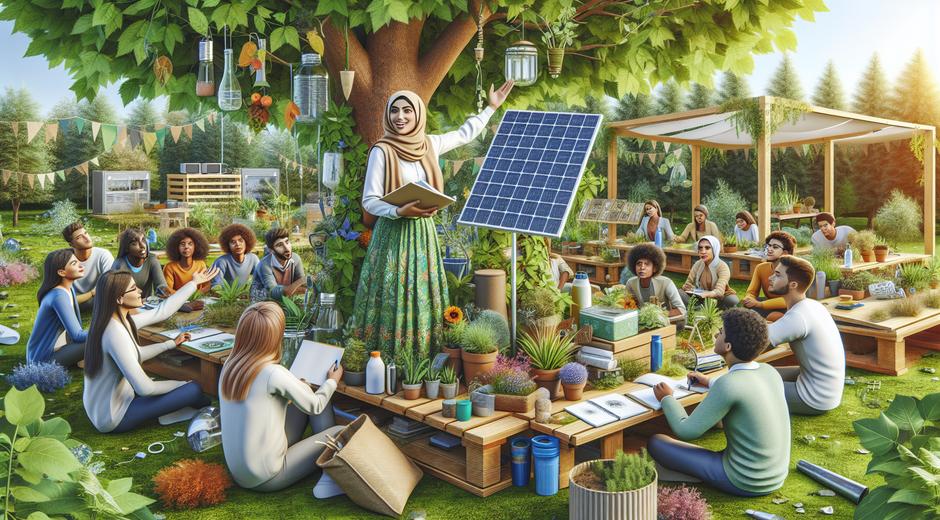
Nature based strategies are some of the most cost effective ways to enhance Fresh Air. Urban forests and green corridors filter pollutants and provide shade that lowers temperatures which in turn reduces ozone formation. Wetlands and riparian buffers trap sediments and improve air and water quality simultaneously. Community driven projects that restore native vegetation increase biodiversity while creating local spaces where people can enjoy Fresh Air and the mental health benefits of nature contact.
Tech and Innovation to Protect Fresh Air
Innovation plays a big role in measurement mitigation and communication. Smart sensors satellites and advanced modeling now give a clearer picture of air quality across scales. Electric mobility reduces tailpipe emissions while modern filtration systems protect indoor spaces. Apps and alert systems empower people to plan activities based on real time conditions. By harnessing technology alongside nature based measures communities can create more reliable access to Fresh Air for everyone.
Policy Pathways to More Fresh Air
Effective policy combines regulation monitoring and incentives. Stronger emissions standards for vehicles industry and power generation reduce major sources of pollution. Urban zoning that limits high emissions activities near schools and hospitals protects sensitive populations. Incentives for clean energy energy efficiency and tree planting accelerate transitions. Public engagement and transparent data are essential to build trust and to ensure policies reflect community priorities.
How Sports and Outdoor Activity Link to Fresh Air
Outdoor sports and recreation are powerful ways to experience Fresh Air while benefiting physical health. Communities that invest in accessible parks safe cycling routes and well maintained trails encourage active lifestyles and expand opportunities for people to breathe clean air. For athletes and active people guidance on air quality during training is important so sessions can be planned for times and places with better conditions. Learn about outdoor activity trends and how athletes protect their health at SportSoulPulse.com which highlights tips and resources for staying active safely.
Equity and Access to Fresh Air
Access to Fresh Air is not equally distributed. Low income communities and communities of color often face higher exposure to pollution due to historical planning decisions industrial siting and traffic corridors. Addressing these disparities requires targeted investment neighborhood scale solutions and inclusive planning processes. Community led air monitoring programs and legal strategies can support campaigns for cleaner air and for the resources needed to sustain improvements.
A Call to Action
Fresh Air is a public good that supports health economic productivity and social wellbeing. Individuals can make choices that increase their own access to Fresh Air and can advocate for policies that improve conditions for all. Cities towns and rural areas each have unique tools to protect and expand access to Fresh Air through green infrastructure clean energy and smarter transport systems. By elevating Fresh Air as a priority across policy agendas communities can create healthier more resilient places to live work and play.
Fresh Air is a measurable goal and a shared value. From local tree planting to national emissions policy the actions we take today determine how future generations will breathe. Start with simple steps in your daily life and join collective efforts to ensure every person can enjoy the basic benefit of clean breathable air.