

Microplastics Impact: How Tiny Particles Are Changing Our Planet
Understanding Microplastics and Why They Matter
Microplastics impact is a global concern that has moved from niche scientific study to mainstream policy debate. These particles are generally defined as plastic fragments smaller than five millimeters in size. They enter soils, rivers, lakes and oceans from a range of sources such as the breakdown of larger plastic items, synthetic textile fibers released during washing, tire wear on roads and fragments from personal care products. Because of their small size and ubiquity, microplastics can travel long distances and accumulate in food webs. Understanding the microplastics impact helps governments, businesses and citizens adopt measures to reduce harm and protect health and biodiversity.
Sources and Pathways of Microplastics
The pathways that create and disperse microplastics are both diverse and difficult to control. Primary microplastics are intentionally manufactured small particles used in industry and consumer items. Secondary microplastics form when larger plastic items fragment after exposure to sunlight mechanical forces and water. Urban runoff, wastewater treatment plant effluent and atmospheric transport carry microplastics into natural systems. For coastal areas the interplay of stormwater, rivers and ocean currents makes shoreline accumulation a visible sign of a deeper problem. Even remote regions show contamination because airborne microplastic particles travel far from their points of origin.
Environmental Consequences of Microplastics Impact
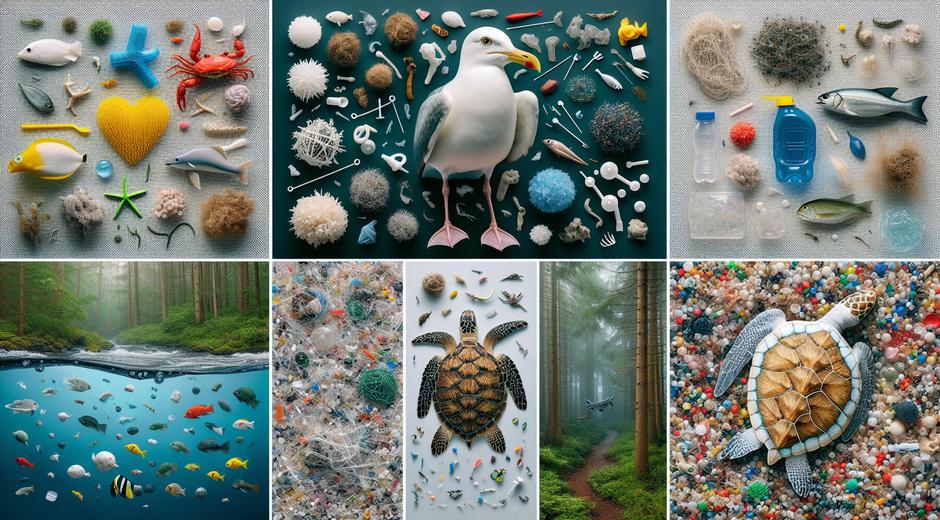
The microplastics impact on ecosystems is profound and multifaceted. Marine organisms ingest microplastics either directly or through prey that have accumulated particles. This can cause physical blockages reduce feeding efficiency and alter energy budgets. Microplastics can also act as vectors for chemical contaminants. Additives used in plastic production can leach out and persistent organic pollutants can adhere to plastic surfaces creating new exposure pathways for wildlife. Benthic organisms and sediment feeders can experience altered reproductive success and changes in behavior. Coral reefs seagrass beds and wetland habitats are affected by changes in light penetration and sediment composition caused by microplastic loads.
Human Health Concerns
Research into the microplastics impact on human health is still developing but there is growing evidence of potential risks. Microplastic particles have been detected in drinking water foods such as seafood and salt and even in the air we breathe. The physical presence of particles in tissues can trigger inflammatory responses and recent studies suggest that very small particles may cross biological barriers. In addition chemical additives and pollutant load on plastic surfaces pose toxicological concerns. Chronic exposure pathways and the effects of long term accumulation remain under study yet the precautionary principle suggests reducing exposure where possible. Public health agencies are beginning to assess the scale of exposure and to advise on mitigation strategies.
Economic and Social Costs
The microplastics impact is not limited to environmental and health outcomes. Economies that rely on tourism fisheries and coastal industries face costs when microplastic pollution reduces the value of natural assets. Clean up operations and treatment upgrades can strain municipal budgets. The presence of plastic particles in food products erodes consumer confidence and may create market disruptions. Socially vulnerable communities often bear a disproportionate share of these burdens due to proximity to pollution sources inadequate waste management and limited access to resources for adaptation. A comprehensive accounting of microplastic costs must include environmental degradation health care costs lost revenue and the expense of upgrading infrastructure to capture finer particles.
Monitoring Methods and Scientific Advances
Advances in analytical methods are improving our capacity to quantify and characterize microplastics. Techniques such as Fourier transform infrared spectroscopy Raman spectroscopy and thermal analysis allow scientists to identify polymer types and particle sizes with increasing precision. Citizen science programs and coordinated monitoring networks help build larger data sets that reveal hotspots and trends. Improved models of transport and deposition combined with ecological risk assessments provide a clearer picture of where interventions can be most effective. As knowledge grows policymakers can adopt targeted actions grounded in robust evidence.
Solutions at the Source
Addressing microplastics impact effectively requires reducing releases at the source. Textile manufacturers can innovate to create lower shedding fibers and washing machine technology can include filters to capture microfibers. Road design and tire technology can reduce abrasion of tires that contributes to microplastic runoff from streets. Product design that avoids unnecessary plastic use and greater uptake of alternatives can diminish the load entering the environment. Circular economy actions such as improved collection systems recycling and refill systems reduce the volume of plastic that may later fragment into microplastics. Industry and regulators must collaborate to set standards and incentivize clean production practices.
Policy and Regulation
Regulatory frameworks are evolving to respond to the microplastics impact. Some jurisdictions have banned microbeads in personal care products others are exploring limits on microfiber emissions and enhanced labeling requirements for products containing plastic particles. Wastewater treatment facilities can be upgraded to capture finer particles but that requires investment and technical guidance. International cooperation is essential given the transboundary nature of microplastic transport. Effective policy combines prevention measures public investment in waste infrastructure and research funding to close knowledge gaps. Stakeholder engagement ensures that policies are practical effective and equitable.
What Individuals Can Do
Civic action and daily choices matter. Simple steps that reduce microplastic release include choosing garments made of natural fibers when appropriate using a laundry bag designed to trap microfibers and supporting brands that prioritize low shedding textiles. Reducing single use plastic consumption participating in local clean up events and advocating for better waste management systems are practical ways to contribute. Staying informed through reliable news sources helps maintain pressure on decision makers while inspiring community level initiatives. For regular updates and global environmental news visit ecoglobalo.com and share verified findings with your network.
How Businesses Can Help
Businesses from manufacturing to retail have a role in reducing the microplastics impact. Automotive companies can invest in tire research to lower particle emission and fleets can adopt best practices to reduce microplastic shedding from roadside wear. For vehicle owners and automotive professionals industry resources such as AutoShiftWise.com offer practical guidance on maintenance practices that can extend component life and reduce unintended wear. Retailers can choose sustainable packaging and support take back programs. Investment in product stewardship systems and transparent reporting builds consumer trust and reduces the burden on public systems.
Conclusion and Call to Action
Microplastics impact is a complex challenge that touches environment health economy and social wellbeing. It demands coordinated action across science policy industry and civil society. While scientific research continues to refine our understanding the case for reducing plastic release is strong. Practical steps at individual community and corporate scales can reduce the rate at which microplastics enter natural systems. Policymakers should adopt evidence based strategies and fund infrastructure upgrades while encouraging innovation in materials and product design. Each small change adds up to meaningful progress toward cleaner air water soil and food systems for future generations.