

Insulation Upgrades That Cut Costs and Boost Comfort Worldwide
Insulation upgrades have become one of the simplest high impact actions homeowners and building managers can take to reduce energy consumption and improve indoor comfort. As energy prices and climate concerns rise across regions, news coverage and policy attention turns to practical solutions that deliver measurable results. This article explores why insulation upgrades matter, which options work best in different settings, how to plan a project, and where to find incentives and trusted guidance.
Why Insulation Upgrades Matter Now
Many buildings were constructed before modern standards for thermal performance became common. Even newer buildings can suffer from poor insulation due to gaps, settling materials, or choices made to save initial cost. Insulation upgrades address thermal loss in ceilings walls and floors. The result is lower heating and cooling demand, lower utility bills and a smaller environment footprint.
Beyond energy savings, insulation upgrades improve comfort by reducing drafts and cold spots and by stabilizing indoor temperature. Proper insulation also helps manage moisture and supports healthy indoor air quality by reducing condensation and the risk of mold growth. For landlords and property managers, upgrades can increase asset value and tenant satisfaction.
Common Types of Insulation Upgrades
Choosing the right insulation upgrade depends on the building type and the area that needs improvement. Here are common approaches that deliver lasting benefits.
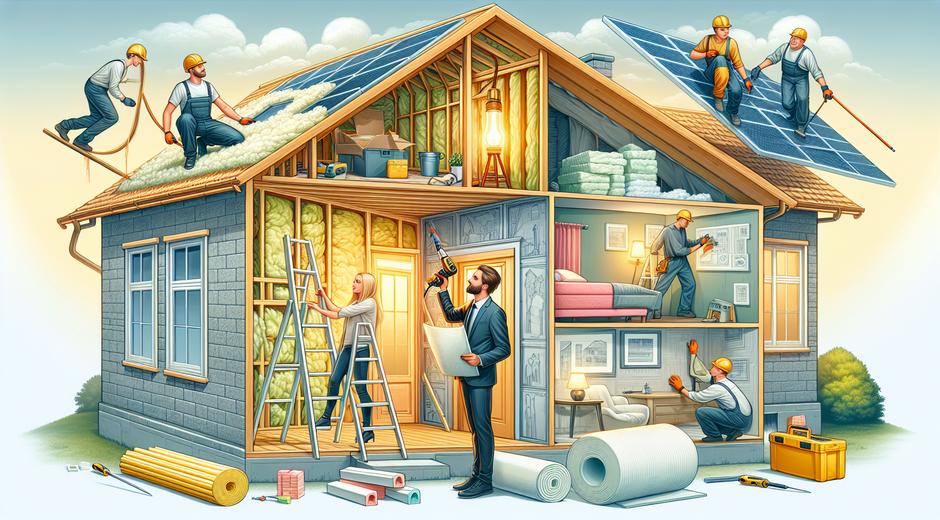
1. Attic insulation. Adding insulation in the attic is often the fastest return on investment because heat rises and a poorly insulated attic can account for a large share of thermal loss. Options include blown in cellulose or mineral wool and layered batt materials placed over existing insulation.
2. Wall insulation. For cavity walls, injecting insulating material into wall cavities can be effective. For solid walls, insulating from the inside or outside requires professional planning to manage moisture and finish details. Internal wall insulation uses rigid boards or insulated plaster while external systems use an insulating board and new facade finish.
3. Floor insulation. Insulating floors over unheated spaces such as crawlspaces reduces cold surfaces and heat loss. Materials include rigid boards beneath floorboards or insulation between joists with a sealing layer to limit air leakage.
4. Window and door upgrades. While strictly not insulation material, high performance glazing and improved door seals complement insulation upgrades by reducing unwanted air flow and thermal bridging. Simple measures such as sealing gaps and adding energy efficient window films can help in the short term.
Planning an Insulation Upgrade Project
Start with an energy audit to identify where heat loss is greatest and to estimate potential savings. A professional audit uses thermal imaging and blower door tests to reveal air leakage and insulation gaps. Results guide prioritization so that budget is directed to measures with the best return on investment.
Next, decide between a staged approach and a comprehensive retrofit. A staged plan focuses on the highest priority areas first while a full upgrade addresses all insulation weak points at once. Factors to weigh include available funds disruption to occupants and long term plans for the property.
Permits and building codes vary by location. Some upgrades require specific vapor control layers or fire safe materials. Consulting local building authorities or a certified contractor ensures compliance and avoids costly rework. For global readers who want regular coverage of building policy updates and practical guides visit ecoglobalo.com for curated news and expert features.
Costs Benefits and Return on Investment
Upfront costs for insulation upgrades vary with building size the materials chosen and whether professional installation is required. Attic upgrades with blown insulation are typically less costly than full wall systems. Many jurisdictions provide incentives rebates or low interest loans that reduce initial expense and shorten the payback period.
Energy savings depend on local climate fuel prices and the quality of the existing envelope. In cold climates, heating savings can be substantial. In warm climates, reduced cooling demand yields savings and improves comfort. Beyond energy, insulation upgrades can extend the life of heating and cooling equipment and reduce maintenance expenses.
DIY Versus Professional Installation
Some insulation tasks are well suited to skilled do it yourself home owners. Adding attic insulation and sealing obvious leakage points around pipes and vents can be completed safely with proper protective equipment and instruction. However complex tasks such as cavity wall injection external wall systems or projects that affect structural elements call for licensed professionals with the right equipment and warranties.
Choose contractors with clear references certification and evidence of insurance. A credible contractor will perform a pre installation assessment provide a written scope of work and explain how moisture and ventilation issues will be handled. Transparent estimates and a timeline help manage expectations and limit surprises during the project.
Financing and Incentives Around the World
Many governments utilities and international development programs offer financial support for insulation upgrades to reduce emissions and enhance energy security. Incentives range from direct rebates to tax credits to favorable loan terms. Local energy agencies or municipal offices often maintain updated listings of available programs.
Non profit organizations and private lenders also provide targeted funds for low income households and community buildings. Combining incentives with bulk purchasing through community programs can yield significant cost reductions. Research local and national options early in the planning process to maximize available benefits.
Environmental and Social Benefits
Insulation upgrades reduce greenhouse gas emissions by lowering fossil fuel use for heating and cooling. When scaled, community and city wide programs deliver measurable reductions in peak energy demand and help stabilize electric grids. Upgrades also support social goals by improving living conditions in vulnerable households and lowering energy bills that can cause financial stress.
Educational programs that train local workers in installation practices create new job opportunities and support a transition to more resilient building stocks. For professionals seeking courses and resources that expand skills in energy management and building science check the curated learning options at StudySkillUP.com. The resource helps learners find courses that align with new demand in retrofit and energy efficiency sectors.
How to Prioritize Insulation Upgrades
Follow a simple hierarchy to achieve the best value. First, seal air leaks and address obvious gaps. Second, insulate the attic and roof where heat loss is often greatest. Third, tackle walls and floors. Fourth, upgrade windows doors and mechanical systems that interact with the insulated envelope. This sequence maximizes savings and reduces the risk of moisture issues that can occur if insulation is added without proper air sealing and ventilation.
Case Studies and Real World Results
Across climates upgrades have produced impressive outcomes. In temperate regions a combination of attic insulation and improved seals typically reduces annual heating and cooling costs by a significant percentage. In colder zones adding insulation to attics walls and floors can lower fuel use and improve comfort to a degree that heating systems can be downsized. Warmer regions report lower air conditioning loads and reduced peak demand during heat waves.
Monitoring and verification are important. Simple meter tracking and seasonal comparisons show actual savings and help refine future investments. Sharing success stories in community forums and with policy makers helps build momentum for wider adoption and funding.
Conclusion
Insulation upgrades are a practical solution that delivers energy savings comfort and resilience. Whether the goal is to reduce bills improve indoor health or support climate goals insulation improvements are among the most cost effective options available. Careful planning professional support and the use of available incentives make upgrades accessible to a wider audience. For ongoing news case studies and how to guides that cover building efficiency and global policy visit our site to stay informed and empowered.