

Green Building A Global Shift Toward Sustainable Construction
Green building is no longer a niche concept limited to a few demonstration projects. It is a global movement that transforms how we design construct and operate the places where people live work learn and heal. Driven by rising energy prices urban growth climate risk and a growing public demand for healthier spaces green building practices deliver measurable benefits for the environment the economy and human wellbeing. This article explores what green building means why it matters and how cities businesses and individuals can accelerate adoption of sustainable construction around the world.
What Is Green Building and Why It Matters
At its core green building means applying principles of resource efficiency occupant health and environmental stewardship across the life cycle of a building. That includes site selection design material sourcing construction operation maintenance and eventual reuse or recycling of building components. Green building reduces energy and water use lowers operational costs improves indoor air quality and enhances resilience to climate related shocks. For news and analysis on green building projects and policy developments visit ecoglobalo.com for ongoing coverage.
Key Principles of Green Building
Several widely accepted principles guide green building practice. Energy efficiency is a priority and can be achieved through passive design strategies smart mechanical systems and renewable energy integration. Water conservation uses efficient fixtures rainwater capture and grey water reuse where regulations permit. Material selection favors low embodied energy recycled content responsibly sourced timber and products with transparent life cycle information. Indoor environmental quality is improved with ventilation natural daylight and low emission materials. Site strategies minimize ecological impact manage storm water and promote biodiversity. Finally a circular approach to waste and materials extends value and reduces environmental burdens.
Design and Technology Trends Shaping Green Building
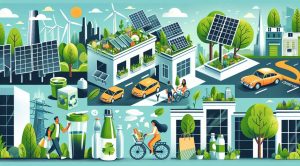
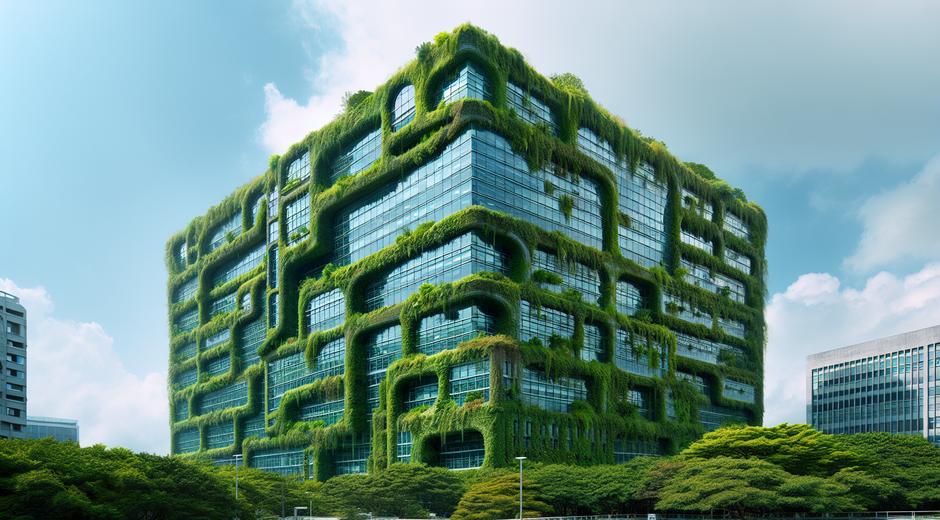
Innovations in design and technology continue to expand the potential of green building. Passive design techniques such as building orientation high performance glazing and thermal mass reduce heating and cooling demand. Smart building systems use sensors analytics and automation to optimize energy use and adapt to occupant needs in real time. Onsite renewable energy systems including solar photovoltaic and small scale wind can offset grid consumption and improve resilience. Green roofs and living walls provide insulation reduce urban heat and support biodiversity. Advances in building information modeling and digital twin technology improve collaboration across design and construction teams and enable performance monitoring through the life cycle of a building.
Materials Choices That Make a Difference
Material selection influences both embodied carbon and long term performance. Low embodied energy materials such as responsibly harvested timber bamboo and recycled steel reduce upstream emissions. Emerging bio based materials and low emission binders offer alternatives to traditional cement and plastics. Reuse of existing structures and components saves energy and preserves cultural heritage. Specifying products with verified performance data and transparent supply chain information supports better decision making. A focus on durability repairability and end of life reuse helps create buildings that are more sustainable over decades.
Economic and Social Benefits
Green building delivers financial returns as well as environmental gains. Energy water and maintenance savings reduce operating costs and can improve asset value. Healthier comfortable spaces boost occupant productivity reduce absenteeism and lower health care related costs for employers. Construction projects that prioritize local sourcing and workforce training create jobs and support local economies. Green building can also reduce social burden by lowering pollution related illnesses and by improving resilience in communities exposed to climate risk.
Policy Markets and Global Trends
Public policy plays a critical role in scaling green building. Building codes that set energy performance standards incentives for renewable energy and procurement rules that favor low emission materials help shift market behavior. Voluntary rating systems such as LEED and WELL provide frameworks for best practice and enable market differentiation. Financial instruments including green mortgages and performance based contracting align investment with sustainability outcomes. Cities around the world are setting ambitious targets for building performance and net zero operation which is reshaping how new projects are planned and funded. International collaboration and knowledge exchange accelerate adoption by sharing successful models and technical guidance.
How Cities and Developers Can Accelerate Adoption
Cities can accelerate green building by updating codes offering incentives and investing in demonstration projects that showcase scalable solutions. Integrating building planning with transport and energy planning creates synergies that lower overall emissions. Developers can reduce risk by using proven strategies such as integrated design early engagement of consultants and performance monitoring after occupancy. Public private partnerships can help finance retrofits of existing building stock which is essential since most of the buildings that will exist in 2050 are already built today. Transparent measurement reporting and verification ensure that claimed benefits are realized and drive continuous improvement across the industry.
What Homeowners and Occupants Can Do
Individuals also have an important role in advancing green building. Simple steps such as improving insulation sealing air leaks choosing efficient appliances and installing smart controls can significantly lower energy use. Landscaping that conserves water and supports native plants improves local ecology. When purchasing or leasing space asking for performance data or certification encourages the market to provide better options. For practical tips on healthy sustainable living and lifestyle resources check TasteFlavorBook.com to find guides that align daily choices with broader sustainability goals.
Measuring Success and Overcoming Barriers
Measuring outcomes is essential to ensure that green building delivers promised benefits. Performance based targets energy monitoring occupant surveys and life cycle assessments provide a robust evidence base. Barriers remain including upfront cost perceptions lack of skilled professionals regulatory complexity and split incentives between owners and tenants. Overcoming these barriers requires aligned policy clear financing mechanisms capacity building and a focus on long term value rather than only short term costs. Successful projects often combine technical excellence with stakeholder engagement and transparent results reporting.
Future Outlook
The future of green building is promising as cities businesses and households seek resilient low carbon solutions. Advances in materials digital tools and renewable energy will expand what is feasible and cost effective. Greater emphasis on equity and social outcomes will ensure that the benefits of green building reach diverse communities. By connecting policy market incentives and public demand the construction sector can become a driving force for positive environmental economic and social change globally.
Conclusion
Green building represents a practical integrated pathway to reduce emissions conserve resources and create healthier more resilient communities. It combines design technology policy and behavior change to deliver measurable benefits across the life cycle of buildings. With clear targets supportive policy and continued innovation green building can move from aspiration to mainstream practice and play a central role in global efforts to build a more sustainable future.