

Regenerative Living: A Practical Guide to Healing People and Planet
Regenerative Living is more than a trend. It is a holistic approach that seeks to restore ecosystems improve human well being and build resilient communities. Unlike approaches that aim only to reduce harm Regenerative Living focuses on net positive outcomes. It asks how our homes our food systems and our cities can actively replenish soil water biodiversity and human health. This article explains the core principles practical steps and measurable benefits of Regenerative Living so you can adopt practices that are realistic scalable and rewarding.
What Regenerative Living Means
At its heart Regenerative Living is a design ethic and a daily practice. It blends science traditional knowledge and community values to create systems that recover and strengthen themselves over time. Regenerative Living addresses energy use water management food production built environment and social systems. The goal is to move beyond sustainability as a static target to a dynamic process of improvement where each action enriches natural and human communities.
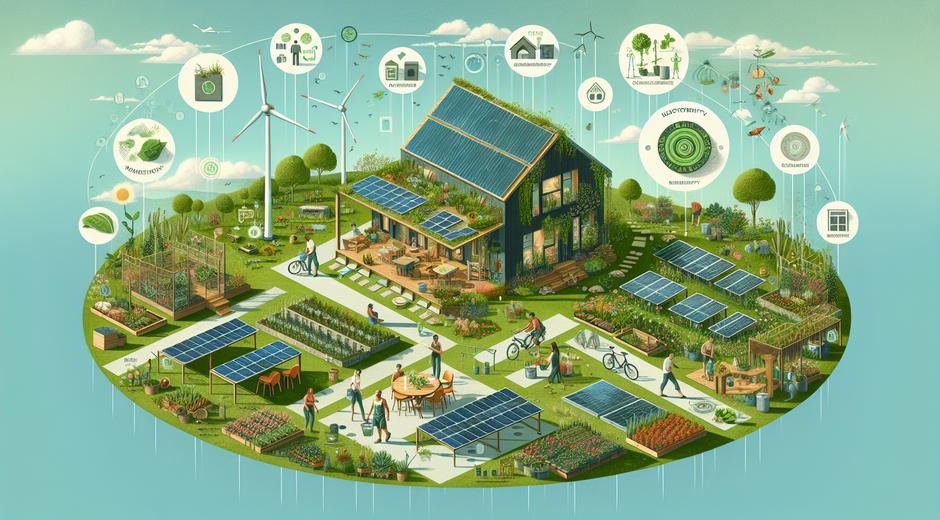
For families and neighborhoods Regenerative Living can look like planting diverse gardens to support pollinators installing systems that return water to the ground and choosing building materials that store carbon. For farmers and city planners it can mean regenerative agricultural methods that rebuild soil health and urban design that integrates green corridors and local food networks. For businesses it means creating value that is ecological social and economic at the same time.
Core Principles of Regenerative Living
To practice Regenerative Living it helps to follow a core set of principles that guide decision making:
- Respect for living systems and their cycles
- Design for diversity and redundancy to increase resilience
- Build soil and water health as foundational assets
- Prioritize local knowledge and local economies
- Measure outcomes and iterate based on results
These principles work together. For example improving soil increases water retention which supports biodiversity which in turn supports food production and climate resilience. The interconnected nature of these outcomes is central to Regenerative Living and is why integrated solutions outperform isolated fixes.
How to Practice Regenerative Living at Home
Adopting Regenerative Living does not require a radical lifestyle change overnight. Small consistent actions add up. Start with your immediate surroundings and scale outward as you build confidence and community support. Key practical steps include:
- Create soil building gardens using compost and mulch to feed soil life
Community sharing of tools seeds and labor is also a powerful part of Regenerative Living. Neighborhoods that organize seed libraries skill exchanges and shared compost hubs accelerate adoption and lower individual costs. For practical news guides and stories that connect local action to global trends visit ecoglobalo.com for ongoing coverage.
Regenerative Agriculture and Urban Design
Regenerative Agriculture is a cornerstone of Regenerative Living. Practices such as no till cover cropping diverse rotations and agroforestry rebuild soil organic matter reduce erosion and increase resilience to drought and flood. These methods also sequester carbon returning atmospheric carbon to living soil and biomass. When combined with market access and fair pricing they create livelihoods that support rural communities and regional food systems.
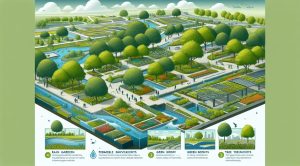
In urban areas Regenerative Living translates into green infrastructure that connects people to nature and to one another. Green roofs community gardens permeable pavements and restored wetlands reduce flood risk cool cities and provide food and recreation. Integrating urban farms into housing developments and schools puts food systems into daily life helping people learn and build resilience together.
Social and Economic Benefits of Regenerative Living
Regenerative Living delivers social benefits that include improved health stronger social ties and increased food security. Communities that invest in local food systems experience better nutrition and reduced reliance on distant supply chains. Shared projects build social capital that leads to safer more cohesive neighborhoods.
Economically Regenerative Living can reduce household costs through energy and water savings increase farm profitability through improved yields and lower input costs and create new jobs in green infrastructure and restoration services. By shifting investment from extractive models to regenerative pathways communities can retain more value locally and create economies that support long term prosperity.
Measuring Impact
Accountability and learning are vital in Regenerative Living. Common metrics include soil organic matter water infiltration rates biodiversity indicators such as pollinator abundance energy use and local food production volume. Social measures such as time spent in community activities and perceived wellbeing are also important. Tracking these indicators helps practitioners adapt and scale what works.
Simple monitoring methods are often best for neighborhood projects. Photographic records soil tests and basic surveys provide valuable feedback without expensive equipment. For larger projects partnerships with local universities or community labs can provide additional technical support and credibility.
Policy and Market Drivers
The wider adoption of Regenerative Living is shaped by policy incentives public procurement and market demand. Governments that reward soil health provide technical assistance and value regenerative outcomes will accelerate adoption. Similarly consumers who demand regenerative produce and products create market signals that encourage businesses to shift practices. Financial tools such as community bonds and payments for ecosystem services can help fund the transition.
Getting Started Today
If you are ready to begin embrace a learning mindset and connect with others. Join a community garden attend a workshop and experiment with a small compost system. Look for local groups that focus on soil restoration urban greening or food security. Over time these small actions will compound into larger changes that influence design choices at neighborhood and city scales.
For inspiration and curated resources that bridge culture science and design explore featured projects and case studies at Museatime.com where creative approaches to place making and public engagement are highlighted.
Conclusion
Regenerative Living is a practical hopeful path for people who want to heal landscapes and strengthen communities. It asks us to shift from a mindset of managing decline to a practice of continuous renewal. By focusing on soil water biodiversity and social wellbeing individuals neighborhoods and cities can create positive feedback loops that sustain life and livelihood. Start small think locally and act with the aim of leaving places better than you found them. Each action contributes to a larger movement that can restore ecosystems regenerate economies and nurture human flourishing.