

Climate Resilience
Climate Resilience is now a central idea in public policy private investment and community planning across the globe. As weather patterns shift and extreme events become more frequent many cities regions and rural communities are working to strengthen their capacity to prepare respond and recover. This article explains what Climate Resilience means why it matters and how governments businesses and citizens can build durable systems that protect lives livelihoods and natural systems.
What Climate Resilience Means Today
At its core Climate Resilience describes the ability of a system to anticipate absorb adapt to and quickly recover from climate related shocks and stresses. That system can be a neighborhood a water supply network an agricultural landscape or a national economy. Building Climate Resilience includes risk assessment investment in protective infrastructure smart land use improved emergency response and programs that help vulnerable populations cope. The concept moves beyond single event response to long term strategies that reduce exposure and increase adaptive capacity.
Why Climate Resilience Matters
The case for Climate Resilience is both humanitarian and economic. When communities are resilient fewer lives are lost and fewer homes are destroyed. Economic losses due to storms floods droughts and heat waves are lower when systems are designed to withstand stress. Resilient supply chains keep essential goods moving and resilient energy grids reduce interruption to services. In addition protecting ecosystems such as wetlands and forests often provides low cost risk reduction while preserving biodiversity and supporting local livelihoods.
Key Pillars of Effective Climate Resilience
There are several interlocking pillars that form an effective resilience strategy.
1. Assessment and planning. Decision makers need good data on climate hazards exposure and vulnerability. This includes historical records future scenario modeling and local knowledge about social and economic conditions. Planning that integrates climate information into land use rules building codes and infrastructure design is essential.
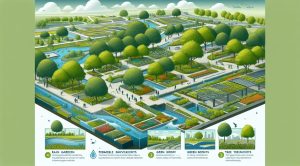
2. Nature based solutions. Protecting and restoring natural systems can reduce flooding stabilize slopes and moderate temperature. Investing in green infrastructure often provides co benefits for recreation biodiversity and carbon storage.
3. Built infrastructure and technology. Upgrading water and energy systems transportation corridors and communication networks increases the capacity to withstand disasters and to recover fast when events occur. Smart sensors early warning systems and resilient design standards are key.
4. Social resilience. Programs that reduce poverty increase access to healthcare and strengthen social networks help households cope with shocks. Inclusive planning that centers the needs of elderly low income and indigenous groups creates more equitable outcomes.
5. Finance and governance. Sustainable financing tools and clear governance frameworks enable long term investment. This includes public private partnerships insurance markets and blended finance that leverage public funds to attract private capital.
Practical Steps for Cities and Regions
Cities and regions can take pragmatic steps right now to advance Climate Resilience. First update hazard maps and infrastructure inventories then revise land use regulations to steer development away from high risk zones. Second invest in multi functional green corridors and permeable surfaces to reduce flood risk while improving urban livability. Third strengthen critical lifelines such as power and water with redundancy and decentralized options. Fourth build community level emergency plans and conduct regular drills that include schools and small businesses.
Public communication matters. Clear messaging about evacuation routes shelter locations and aid distribution builds trust and reduces harm. Local media and community organizations are often trusted messengers who can help tailor information to diverse audiences.
For readers who want to follow ongoing global coverage on environment and resilience topics visit ecoglobalo.com for up to date reporting expert commentary and regional case studies.
How Businesses Can Strengthen Resilience
Businesses face physical risks to assets and operational interruptions due to climate events. They also face market reputational and regulatory risks as stakeholders demand sustainable practices. Corporate resilience programs begin with risk mapping across facilities and supply chains and then invest in measures that reduce exposure and increase flexibility. Examples include diversifying suppliers locating critical inventory in multiple regions and retrofitting facilities to resist extreme weather.
Companies can also support broader community resilience by investing in workforce housing local infrastructure and employee preparedness. Some firms find value in partnering with civic organizations and universities to co create resilience solutions that benefit both business continuity and community well being. For information about partnership models and resources for private sector resilience see resources at Romantichs.com.
Funding the Transition to Resilience
Mobilizing finance is a major barrier for many regions. Traditional grant programs are helpful but insufficient. Innovations in funding include resilience bonds which reward projects that reduce expected losses insurance products that link premiums to resilience performance and public funds that unlock private capital. International development banks and climate funds also play a role by offering concessional finance and technical assistance.
Local governments can create resilience budgets and use land value capture mechanisms and development impact fees to pay for infrastructure. Transparency around project costs expected benefits and performance metrics increases investor confidence and public support.
Measuring Success
Clear metrics help track progress. Typical indicators include reduced response time to disasters lower numbers of displaced people lowered economic losses per event and improved service continuity for utilities. Social indicators such as access to healthcare and economic security for vulnerable households are also important. Data collection must be regular and accessible to stakeholders who can use it to guide adaptive management.
Nature and Technology Together
Effective Climate Resilience does not choose between nature based and technological solutions. Instead it blends them. For example restoring a wetland can reduce flood peaks while an automated pumping system protects critical infrastructure. Remote sensing and big data improve hazard monitoring while community led restoration enhances local stewardship. This combination leverages the strengths of both approaches and creates more flexible strategies across time and place.
Community Empowerment and Equity
Resilience success depends on social inclusion. Programs that engage residents in planning and that fund local projects empower communities and ensure solutions fit local needs. Equity focused approaches recognize that some groups face higher exposure and fewer resources. Targeted investments in housing resilient livelihoods and access to services reduce vulnerability and create fairer outcomes. Building trust through participatory processes also accelerates implementation and encourages local maintenance and monitoring.
The Road Ahead
Climate Resilience is a long term journey. It requires shifting from reactive emergency management to anticipatory planning and continuous learning. Advances in climate science data analytics and financing models create new opportunities. At the same time policy makers must balance immediate needs with future uncertainty. Flexibility in design and adaptive governance that can revise plans as new information emerges will be crucial.
For citizens the most important actions are to stay informed get involved in local planning support resilient investments and to prepare households for extreme events. Every action from planting native trees to participating in neighborhood drills contributes to stronger systems.
Conclusion
Climate Resilience is essential for safeguarding communities economies and ecosystems in a changing world. By combining robust planning nature based solutions smart infrastructure social inclusion and innovative finance stakeholders can reduce risk and build a safer future. The path forward is collaborative and evidence based. News platforms researchers and local leaders each have a role to play in sharing best practices and scaling solutions that protect people and places for generations to come.