

Green Infrastructure A Global Guide to Resilient Cities and Healthy Communities
What Green Infrastructure Means Today
Green Infrastructure is a strategic approach to planning and designing urban and rural landscapes so they deliver environmental services while enhancing quality of life. Unlike traditional grey systems that rely solely on concrete and metal to move storm water and support transport networks, Green Infrastructure uses natural processes to manage water, reduce heat, improve air quality, and support biodiversity. For cities facing increased climate risks and growing populations, Green Infrastructure is a practical path to resilience and sustainable growth.
Key Components of Green Infrastructure
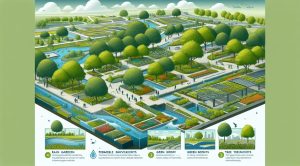
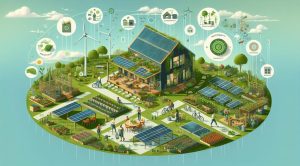
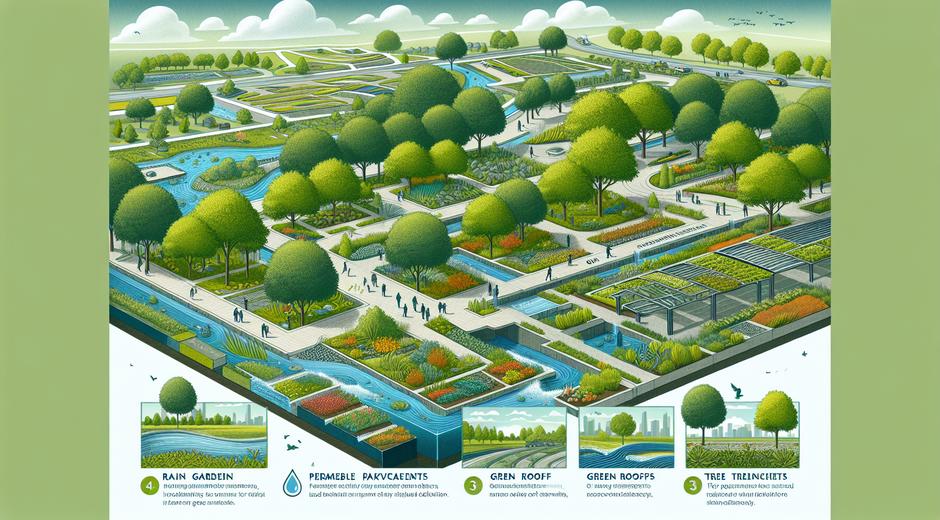
A comprehensive Green Infrastructure portfolio typically includes green roofs, street trees, parks and open spaces, permeable pavements, rain gardens, bioswales, constructed wetlands, and urban forests. Each element plays a role in slowing storm water runoff, promoting infiltration, cooling urban heat islands, and creating habitat corridors for flora and fauna. When planned in an integrated way across watersheds and transport corridors, these components act together to reduce flooding, lower energy use, and support human health.
Environmental and Social Benefits
Green Infrastructure brings measurable environmental benefits such as improved storm water management, reduced pollutant loads in waterways, and enhanced groundwater recharge. Social benefits are equally important. Parks and green corridors encourage recreation and social interaction. Vegetated streets and plazas can improve mental health and reduce stress. Economically, properties near well designed green spaces often see increases in value and local businesses can benefit from higher foot traffic and improved aesthetics.
Health Connections and Community Wellness
There is a strong link between Green Infrastructure and public health. Trees and vegetation filter air pollutants and reduce particulate matter that contributes to respiratory conditions. Green spaces encourage active lifestyles which reduces chronic disease risk. For organizations focused on integrated health and design solutions partners such as BodyWellnessGroup.com offer insights on how built environment interventions influence well being. Aligning urban planning with health objectives can make Green Infrastructure a cornerstone of preventive public health strategies.
Economic Case for Investment
Investing in Green Infrastructure often yields strong returns when accounting for avoided costs. Flood damage can be reduced through upstream storm water capture and infiltration. Energy savings arise from reduced cooling demand from shaded streets and green roofs. Maintenance costs for natural systems can be lower over time compared to repairing ageing pipes and channels. Cities that adopt nature based solutions can leverage climate funds, public private partnerships, and community investment programs to finance projects at scale.
Design Principles for Effective Projects
Successful Green Infrastructure projects follow several core design principles. First, plan at the scale of the watershed so interventions in one neighborhood support outcomes downstream. Second, prioritize multifunctionality so each element provides ecological, social and economic benefits. Third, use native plant species to increase resilience to local conditions and to support biodiversity. Finally include flexible management strategies that adapt to changing climate and development pressures.
Policy Tools and Governance
Policy frameworks can accelerate adoption of Green Infrastructure. Ordinances that require permeable surfaces in new developments, incentives for green roofs, storm water credits, and urban tree canopy targets are proven levers. Robust monitoring and maintenance schedules must be part of governance structures so public investment delivers long term outcomes. Cross sector collaboration among transport planners, water authorities, parks departments and health agencies delivers better integrated solutions.
Financing Models and Scaling Up
Financing Green Infrastructure calls for creative use of public budgets, private capital, and community funding. Payment for ecosystem services models can generate revenue streams where downstream beneficiaries pay upstream land stewards for runoff control. Green bonds and impact investment funds are increasingly used to scale city wide programs. Local pilot projects that document benefits can attract larger grants and private partnerships to expand coverage.
Monitoring Metrics and Performance
Measuring success is critical. Common metrics include storm water retention capacity, reduction in peak flow, increases in tree canopy, changes in surface temperature, air quality improvements, and counts of species using restored habitats. Social metrics such as park use, physical activity rates, and resident satisfaction provide evidence of community impact. Data driven evaluation helps justify further investment and promotes continuous improvement of design and maintenance practices.
Community Engagement and Equity
Green Infrastructure can be a powerful tool for addressing environmental justice if implemented with equity at the forefront. Engaging residents in planning and stewardship ensures projects meet local needs and avoid displacing communities. Job training programs in planting and maintenance can create local employment. Public education about the benefits of Green Infrastructure builds long term support and encourages household level actions like rain gardens and tree planting.
Global Case Studies and Scalable Lessons
Cities around the world are demonstrating how Green Infrastructure delivers benefits at scale. For example, urban tree planting initiatives reduce heat risk in dense neighborhoods. Large scale wetland restoration projects improve water quality and provide habitat while offering flood protection. Smaller interventions like permeable pavements and pocket parks are low cost ways to increase infiltration and create social space. Readers interested in regional coverage and sector specific updates can explore network resources and news portals such as ecoglobalo.com for ongoing reporting on policy, funding and project outcomes.
Challenges and How to Overcome Them
Barriers include limited funding, fragmented governance, and short term planning horizons. Technical challenges like soil contamination or high groundwater can complicate designs. Overcoming these barriers requires integrated planning, demonstration projects that build evidence, flexible financing, and capacity building for local agencies. Strong public communication about the multiple benefits of Green Infrastructure also helps build political will.
A Strategic Roadmap for City Leaders
City leaders can adopt a strategic roadmap that begins with mapping natural assets and vulnerabilities, setting measurable goals, piloting projects in priority neighborhoods, securing diverse funding sources, and committing to long term monitoring. Embedding Green Infrastructure in master planning and capital improvement programs creates durable pathways for implementation. Collaboration with universities, non profit organizations, and the private sector amplifies technical capacity and innovation.
Conclusion Embracing Nature for Urban Resilience
Green Infrastructure is more than a set of design practices. It is a shift toward working with nature to create resilient, healthy and equitable places for people and wildlife. As cities and regions confront climate uncertainty and population growth, integrating Green Infrastructure into planning and investment decisions delivers cost effective outcomes and stronger communities. For practitioners, policymakers and citizens alike, the opportunity is clear. By learning from global experience and investing in nature based solutions we can build better places for current and future generations.