

Biodiversity Loss: A Global Crisis and Paths to Recovery
Biodiversity Loss is one of the most urgent environmental challenges of our time. It affects ecosystems that provide food water and climate regulation for billions of people. As species vanish and natural habitats shrink the services that sustain human societies are at risk. This article explains the causes the impacts and the practical steps that communities businesses and governments can take to slow and reverse biodiversity loss while creating resilient economies.
Understanding Biodiversity Loss
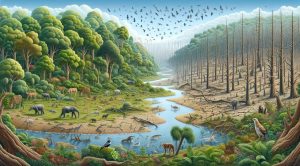
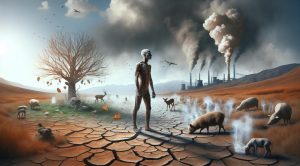
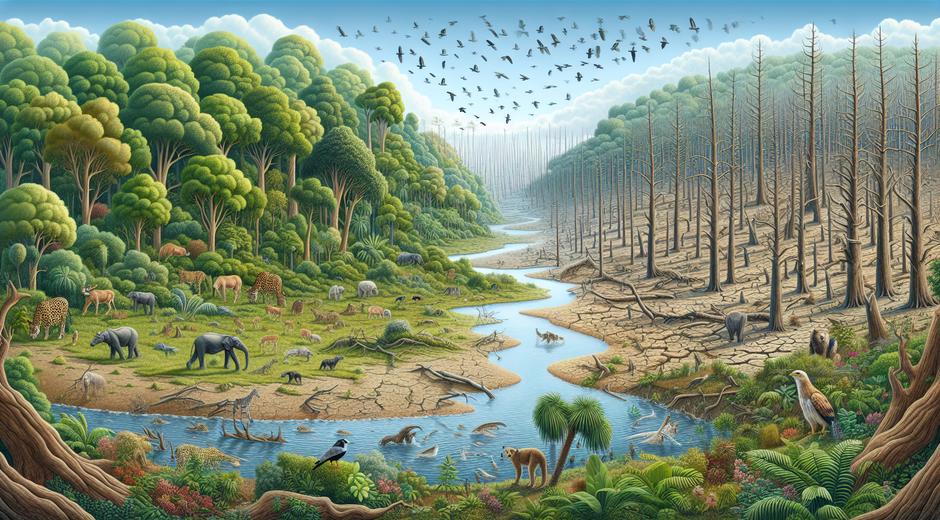
Biodiversity refers to the variety of life on Earth from genes to species to ecosystems. Biodiversity Loss means a decline in that variety and in the health of ecosystems. Loss can show as fewer species reduced population sizes or degraded habitats that no longer support life in the same way. The pace of loss today outstrips what the natural world can restore on its own and the trend is worsening in many regions.
Scientific studies indicate that habitat conversion overexploitation pollution invasive species and climate change are the main drivers. Each factor can act alone or in combination creating complex feedback loops. For example changes in land use can increase vulnerability to climate extremes while invasive species can weaken native populations making them less able to adapt. Understanding these links is essential to designing effective interventions.
Major Causes of Biodiversity Loss
Human activities are at the center of modern biodiversity loss. Key causes include:
1. Habitat conversion for agriculture urban growth and extractive uses. Native forests wetlands grasslands and coastal areas are replaced with cropland cities ports and mines. This reduces the space available for wild species and fragments populations.
2. Overexploitation through unsustainable hunting fishing and plant harvest. Many species decline when adult individuals are removed faster than they can reproduce.
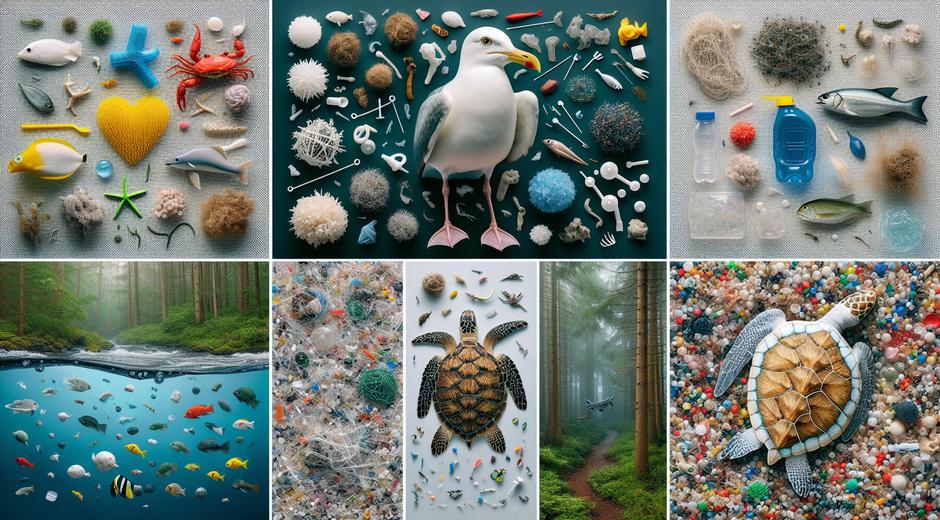
3. Pollution from chemicals plastics and nutrients that change water and soil quality. Pollution can make habitats toxic or shift their ecological balance.
4. Invasive species that out compete or prey on native life. A single introduced animal plant or microbe can alter entire food webs.
5. Climate change which alters temperature and rainfall patterns. Species that cannot move fast enough or adapt will face higher risk of extinction.
Each cause is linked to human choices in consumption production and policy. Shifting those choices can reduce pressure on nature.
Consequences for People and Planet
Biodiversity Loss has direct and indirect effects on health economic stability and cultural identity. Key consequences include:
– Reduced food security as pollinators and wild gene pools decline. Crop genetic diversity supports resilience to pests drought and disease.
– Increased vulnerability to floods drought and erosion when forests wetlands and mangroves are removed. Healthy ecosystems buffer extreme events.
– Declines in clean water supplies when watersheds are degraded. Clean water is costly to replace with built infrastructure.
– Rising risk of new diseases as human wildlife contact increases. Intact ecosystems can help regulate pathogen emergence.
– Loss of cultural and recreational values tied to unique species and landscapes. Many communities depend on local species for livelihoods and heritage.
Economic models show that biodiversity underpins global supply chains and services that total trillions in value each year. Protecting species and habitats is therefore not only an ethical matter but a practical economic choice.
Measuring Progress and Setting Targets
Effective action starts with measurement. Nations and organizations need consistent indicators to track status and trends. Common metrics include species extinction rates protected area coverage habitat condition and ecosystem service provision. These metrics inform targets and help allocate resources where they will do the most good.
Many international frameworks offer guidance. National plans can align with global goals while addressing local priorities. Transparency and public engagement are important to maintain trust and ensure that targets translate into real change on the ground.
Practical Solutions to Slow Biodiversity Loss
There are proven interventions that reduce biodiversity loss while delivering social and economic benefits. Scalable approaches include:
– Protecting and restoring natural habitats. Creating connected networks of protected areas and restoring degraded lands helps species move and adapt.
– Sustainable agriculture and forestry that conserve soil water and biodiversity while maintaining yields. Practices such as agroecology silvopasture and landscape planning reduce pressure on wild lands.
– Responsible fishing and wildlife management that set science based harvest limits and enforce rules. Community based management can be especially effective.
– Pollution control and waste reduction. Reducing nutrient runoff and plastic pollution improves habitat quality for many species.
– Managing invasive species through early detection rapid response and long term control. Prevention of new introductions remains the most cost effective approach.
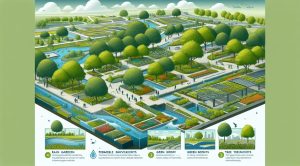
– Integrating biodiversity into urban planning. Cities can support species through green corridors urban forests and pollinator friendly planting.
Each action benefits both nature and people. For example restoring wetlands can increase water storage create jobs and improve biodiversity simultaneously.
Role of Finance Policy and Business
Shifting investment and policy incentives is essential. Public finance private finance and philanthropic capital must align with biodiversity goals. Tools such as green bonds biodiversity credits and insurance products can drive investment into nature positive projects.
Businesses have a large role to play by reducing environmental footprints across supply chains and adopting nature positive sourcing. Corporate disclosure of biodiversity related risks helps markets value natural capital more accurately. Leaders in the corporate sector can access strategic resources and community networks to scale solutions and to learn from peers at places like BusinessForumHub.com which shares case studies and best practice ideas.
Governments need to create legal frameworks that reward conservation and penalize actions that cause harm. Fiscal incentives such as payments for ecosystem services and tax breaks for restoration can support local communities while achieving national goals.
Community Action and Indigenous Leadership
Local communities and indigenous peoples are often the most effective stewards of biodiversity. Their knowledge and customary governance systems maintain habitats and species over generations. Supporting community led conservation through secure land tenure capacity building and equitable benefit sharing strengthens outcomes and rights.
Education and public engagement are also key. When citizens understand the links between daily choices and biodiversity trends they can support policy shifts and adopt sustainable behaviors. Community science programs also expand monitoring capacity and connect people to nature.
Technology and Innovation
Technology can accelerate biodiversity conservation. Remote sensing and satellite monitoring reveal habitat change at scale. Genetic tools help identify species and monitor population health. Digital platforms connect data across regions enabling rapid response to emerging threats.
Technology must be paired with strong governance to ensure that data is used ethically and that benefits reach local stewards.
How Individuals Can Help
Every person can contribute to slowing biodiversity loss. Practical steps include choosing sustainable products supporting local conservation groups reducing waste and advocating for nature friendly policies at local and national levels. Simple actions such as planting native species avoiding pesticides and reducing energy use add up when adopted widely.
For readers seeking reliable global coverage of environmental trends and policy shifts visit trusted news hubs and resource centers that connect science policy and business. For ongoing global reporting and resources visit ecoglobalo.com to stay informed and to find ways to engage.
Conclusion
Biodiversity Loss is a complex challenge that touches every nation every economy and every community. The causes are well known and the solutions are within reach if societies choose to act. Protecting nature supports human health economic stability and cultural heritage. Through combined action by governments businesses communities and individuals we can slow the trend and build more resilient vibrant landscapes that sustain life for generations to come.
Urgency matters but so does strategy. With better measurement smarter finance stronger legal frameworks and broader public engagement we can turn the tide on biodiversity loss and secure a healthy planet for all.