

Urban Ecology A Global View on Cities Nature and People
Urban Ecology is a field that studies interactions between living organisms and the built environment inside cities. As urban areas grow in size and number worldwide the study of Urban Ecology becomes essential for sustainable planning and resilient communities. This article explores core ideas and practical steps for integrating nature into city life while improving climate resilience public health and social cohesion.
What Urban Ecology Means Today
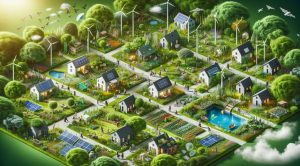
Urban Ecology blends science and practice. It draws on ecology biology social science urban planning and landscape design to understand how plants animals humans and built systems interact. Instead of treating nature and city life as separate it focuses on how natural processes continue to function inside urban areas and how they can be supported. Urban Ecology studies biodiversity in parks on rooftops and along waterways how storm water is filtered by vegetation and how thermal comfort is influenced by tree cover.
Why Urban Ecology Matters for Cities and Citizens
Cities concentrate people economic activity and infrastructure. That concentration creates pressure on natural systems but also offers unique opportunities. Urban Ecology helps cities become healthier and more livable by restoring ecosystem services such as air and water purification heat mitigation and pollination. When ecosystems thrive cities gain better public health outcomes reduced energy use and enhanced social spaces that build community. Long term urban resilience to climate variability is stronger when green systems are integral to planning.
Key Principles of Urban Ecology
There are several guiding principles that shape effective Urban Ecology work. First think in systems. Cities operate as coupled social ecological systems where human choices influence ecological outcomes and vice versa. Second protect and expand native biodiversity. Local species are best adapted to the regional climate and they support ecosystem functions. Third prioritize multifunctional design. A park can provide recreation habitat and storm water retention all at once. Fourth involve communities. Engaged residents sustain green initiatives and ensure benefits are equitably shared. Finally implement adaptive management. Monitor outcomes and adjust actions based on evidence.
Nature Based Solutions and Green Infrastructure
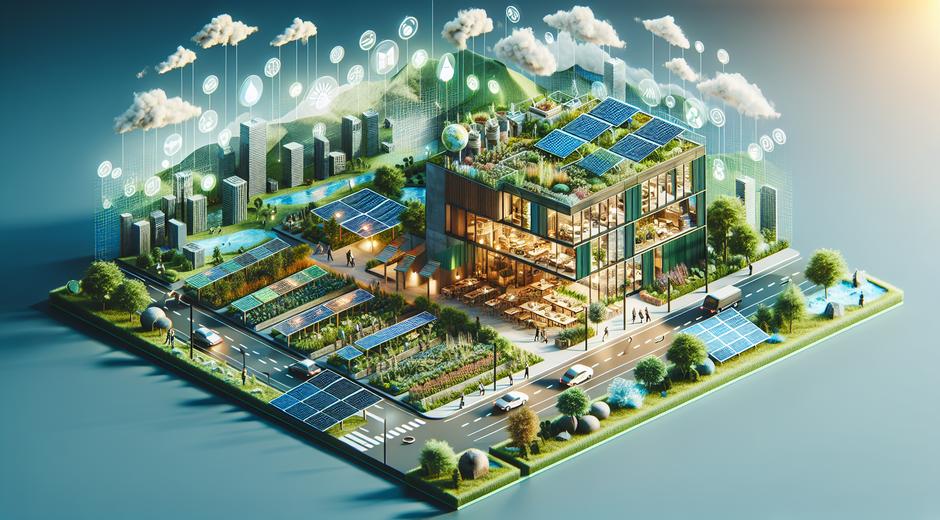
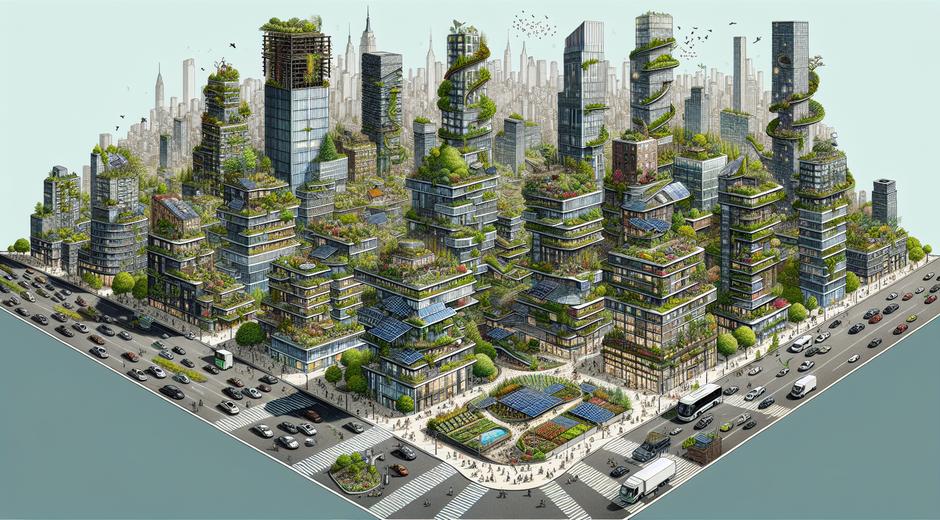
Nature based solutions and green infrastructure are core tools of Urban Ecology. These approaches use vegetation soils and natural processes to address urban challenges. Examples include urban forests green roofs permeable pavements bioswales and restored wetlands. Such measures reduce flood risk improve water quality cool neighborhoods and increase habitat for urban wildlife. Green infrastructure also creates attractive public spaces that encourage walking and outdoor activity which has well proven public health benefits.
Biodiversity in Urban Settings
Contrary to a common view cities can host rich biodiversity. Small green patches corridors and even private gardens support insect pollinators birds and small mammals. Urban Ecology emphasizes connectivity. Linking green spaces allows species to move and increases genetic exchange. Designing for diversity includes planting native trees and understory shrubs offering diverse food and shelter resources across seasons. Urban biodiversity also provides educational opportunities for residents to learn about nature up close.
Human Health Social Equity and Urban Ecology
Urban Ecology contributes to mental and physical health. Access to green space is linked to lower stress reduced cardiovascular risk and improved cognitive function. Thoughtful planning ensures access for all communities not only those with greater resources. Equity is a central concern. Many cities face uneven distribution of green space with low income neighborhoods having less tree cover and fewer parks. Urban Ecology practitioners work with planners and community groups to prioritize investments where they are most needed and to co design spaces that reflect local culture and needs.
Data Monitoring and Citizen Science
Robust data supports successful Urban Ecology projects. Remote sensing ground surveys biodiversity inventories and water quality monitoring provide insight into baseline conditions and measure progress. Citizen science programs amplify data collection and deepen public engagement. Residents can use simple tools to record bird sightings insect activity or local water conditions. These contributions enrich scientific knowledge and build local ownership of ecological projects.
Policy Design and Urban Governance
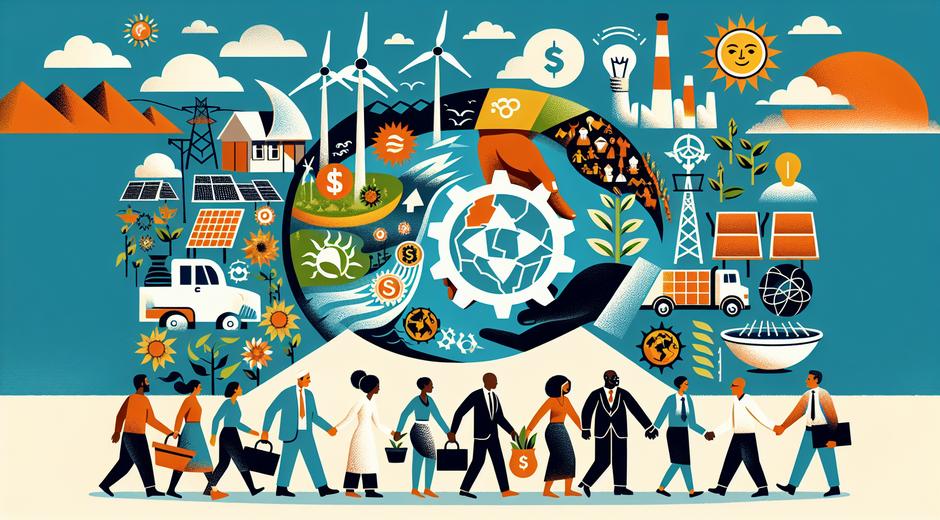
Effective Urban Ecology requires supportive policy frameworks. Municipal codes that protect natural areas require tree replacement support green infrastructure incentives and incorporate ecological targets into comprehensive plans. Cross departmental collaboration among planning parks public works and health departments is essential. Financial mechanisms like green bonds payments for ecosystem services and targeted grants can help scale interventions. Advocacy and science based outreach inform decision makers and the public about the long term benefits of investments in nature.
Practical Steps for Cities
Urban leaders and residents can take tangible steps to apply Urban Ecology principles. Start with strategic mapping to identify priority areas for conservation and restoration. Expand tree canopy and protect large mature trees. Implement rain capture systems at multiple scales to reduce runoff. Create or restore corridors that link parks and waterways. Encourage rooftop gardens and community gardens in under served neighborhoods. Promote native plantings and reduce reliance on pesticides. Support policies that require nature inclusive design for new developments and redevelopments. Each of these steps builds toward a more liveable resilient city.
Successful Examples and Lessons Learned
Many cities around the world provide useful models. Urban forest programs have increased tree canopy in several major cities leading to measurable cooling effects. Community led wetland restoration projects have improved local water quality and created habitat while providing educational spaces for youth. One recurring lesson is the importance of early engagement with communities and clear maintenance plans. Projects that include long term stewardship resources and that build local capacity are more likely to thrive.
How Media and Networks Can Support Urban Ecology
Coverage that highlights both science based evidence and human stories helps bring Urban Ecology to broader audiences. News outlets regional networks and international partners can showcase successful pilots and practical guides for replication. Our own platform shares updates analysis and resources for practitioners policy makers and citizens. For a broad range of perspectives and ongoing reporting visit ecoglobalo.com where you will find curated coverage on Urban Ecology and related topics from around the world. For specific tools and innovative solutions from partners with design and technology focus see resources at Chronostual.com.
Looking Ahead Urban Ecology in a Changing Climate
Climate change increases the urgency of Urban Ecology. Cities will face more extreme heat more intense rainfall and shifting species distributions. Urban Ecology provides a framework for proactive adaptation that protects people and nature together. By building green systems into the core of urban planning cities can reduce risk build social resilience and create attractive healthy environments for residents and visitors alike.
Conclusion Practical Action for Every City
Urban Ecology is not a distant academic idea. It is a practical approach that informs design policy and daily life inside cities. With science community leadership and inclusive policy Urban Ecology helps cities become healthier more resilient and more beautiful. The path forward involves small actions and systemic change. Plant trees restore soils design multifunctional parks and involve neighbors in stewardship. Each step strengthens the connections between people nature and the places we call home.