

Natural Capital A Global Priority for Sustainable Growth
Natural Capital is a foundational concept for anyone who cares about the planet economy and future wellbeing. It describes the stocks of natural assets such as soils waters forests and biodiversity that produce a flow of ecosystem services. Those services support food production climate regulation water purification soil fertility and cultural values. As policymakers investors business leaders and civil society actors embrace the science of Natural Capital the chance to build resilient economies that thrive within planetary boundaries becomes real.
What is Natural Capital
Natural Capital is the term used to recognize nature as an asset that delivers benefits to people and economies. It shifts the perspective from seeing nature as an unlimited free resource to valuing the inputs nature provides to production and human welfare. Examples of Natural Capital include pollinator populations that sustain crops freshwater systems that provide drinking water and fisheries that support livelihoods. By making those contributions visible decision making can incorporate the value of nature into planning and investment choices.
Why Natural Capital Matters for Policy and Business
Governments and businesses that integrate Natural Capital into their strategies can reduce risk increase resilience and unlock new opportunities for green growth. For public planners the approach helps balance trade offs across land use infrastructure and conservation to secure multiple outcomes for people and nature. For companies Natural Capital accounting reveals dependencies and impacts across supply chains enabling smarter sourcing product design and risk management.
Communities that steward Natural Capital well experience better access to clean water healthier soils and more stable incomes from sustainable fisheries and tourism. To follow news research and case studies on how Natural Capital shapes global policy and innovation visit ecoglobalo.com where timely updates and expert analysis appear regularly.
How Natural Capital is Measured
Measuring Natural Capital involves both biophysical assessments and economic valuation. Biophysical metrics estimate the condition and size of natural stocks such as hectares of forest or tonnes of fish. Economic valuation translates ecosystem service flows into monetary or non monetary units that decision makers can compare with other costs and benefits. Common valuation approaches include replacement cost avoided cost and willingness to pay studies. Increasingly accounting frameworks combine spatial data remote sensing and field surveys with models to create robust Natural Capital accounts.
Ecosystem Services the Link Between Nature and People
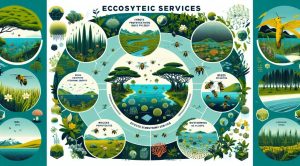
Ecosystem services are the benefits that flow from Natural Capital. They are often grouped into provisioning services such as food and timber regulating services such as flood control cultural services such as recreation and supporting services such as nutrient cycling. Protecting and restoring Natural Capital enhances those services which in turn supports economic activity and human wellbeing. For instance coastal wetlands buffer storm surges protecting infrastructure while sequestering carbon simultaneously contributing to climate mitigation.
Natural Capital in Finance and Investment
Investors are beginning to factor Natural Capital into credit assessments portfolio selection and corporate engagement. Nature related risks can undermine asset values through supply chain disruption regulatory changes and reputational harm. Conversely investments in restoration sustainable agriculture and green infrastructure offer growth potential and resilience. Natural Capital friendly financial products such as green bonds biodiversity credits and conservation linked loans are expanding the toolkit for channeling capital towards nature positive outcomes.
Corporate Natural Capital Accounting Best Practices
Leading companies adopt a systematic approach to measuring impacts and dependencies on Natural Capital across operations and supply chains. Best practices include mapping material Natural Capital dependencies assessing hotspots of impact setting science based targets and reporting transparently. Integrating Natural Capital into corporate strategy leads to cost savings such as reduced water use improved productivity from healthy soils and enhanced brand value from sustainability leadership.
Nature Positive Restoration and Regeneration
Restoring degraded ecosystems is a core pathway to rebuild Natural Capital and secure long term benefits. Restoration efforts range from reforestation and wetland rehabilitation to regenerative agriculture practices that rebuild soil health. Successful programs are designed with local communities and consider social equity and long term governance. When restoration is scaled it not only revives biodiversity but also strengthens climate resilience and supports livelihoods.
Policy Instruments to Protect Natural Capital
Public policy can incentivize conservation and sustainable use of Natural Capital through a variety of instruments. These include payments for ecosystem services protected area networks environmental taxes and subsidies that favor nature friendly practices. Regulations that require companies to disclose nature related risks and Natural Capital impacts increase transparency and accountability. International cooperation on biodiversity and climate finance also plays a critical role in mobilizing resources for global conservation goals.
Measuring Progress and the Role of Data
Progress on Natural Capital depends on reliable data and indicators. Advances in satellite imagery sensor technology and open data platforms enable better monitoring of land cover water quality and species distributions. Citizen science and community monitoring complement remote sensing by adding local knowledge and finer scale observations. Robust data supports adaptive management allowing practitioners to learn what works and scale effective solutions.
Stories from Around the World
Examples from diverse regions show how Natural Capital thinking delivers real benefits. In urban areas the expansion of green corridors improves air quality reduces heat stress and enhances mental wellbeing. In agricultural regions regenerative methods increase yields and reduce input costs by building natural fertility. Coastal restoration projects restore fisheries and protect tourism economies. These case studies demonstrate the wide applicability of Natural Capital approaches to varied social economic and ecological contexts.
How Individuals Can Support Natural Capital
Individuals influence Natural Capital through consumption choices civic engagement and everyday stewardship. Choosing products that come from sustainable sources supporting local conservation initiatives and advocating for strong environmental policy are practical steps. Education and awareness raising help expand public support for investments that safeguard natural assets for current and future generations. For multimedia resources and inspiring stories that connect culture to conservation check curated collections at Moviefil.com which features documentaries and features on environmental themes.
The Path Forward
Natural Capital must be at the center of strategies that aim for sustainable inclusive growth. Achieving that requires collaboration across sectors better data science informed policy and finance mechanisms that reward stewardship. It also needs a shift in how societies value nature in everyday choices and long term planning. By recognizing nature as capital and investing in its protection and restoration we secure a stable prosperous future for people and the planet.
Conclusion
Natural Capital is more than an academic concept. It is a practical framework that helps align economic activity with ecological limits and human wellbeing. From local community projects to national accounting systems Natural Capital approaches reveal hidden value and risk enabling smarter choices. As the world faces intersecting challenges of biodiversity loss climate change and resource scarcity integrating Natural Capital into decision making is essential. Stakeholders across business government and civil society can take steps now to measure protect and restore the natural assets that sustain life and support economies worldwide.