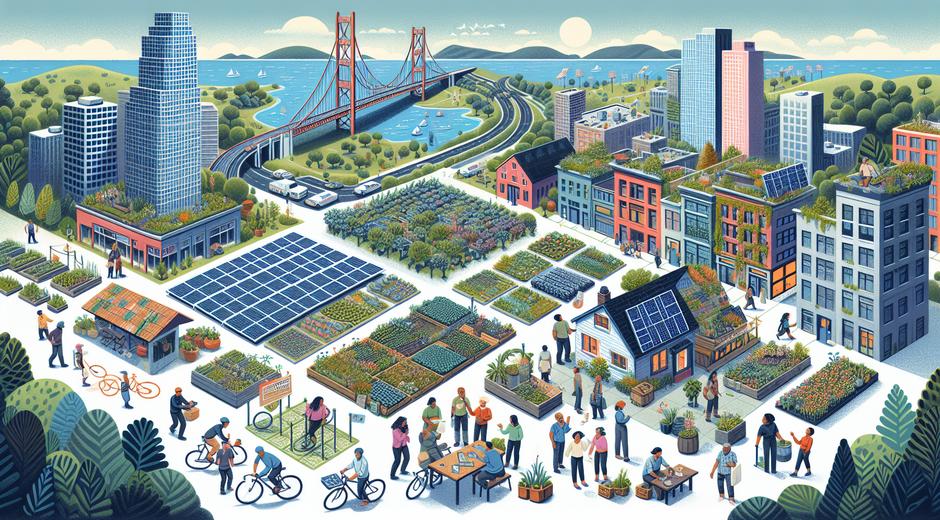


Resilient Cities The Path to Urban Strength and Sustainability
Resilient Cities is more than a phrase. It is a strategic goal for urban planners policy makers community leaders and citizens who want cities that can withstand shocks recover quickly and thrive in the face of long term stresses. As climate change extreme weather events population shifts and economic uncertainty increase cities must adopt integrated approaches that blend infrastructure nature based solutions social equity and smart governance. This article explores what makes cities resilient practical strategies to enhance resilience and how communities can measure progress toward safer healthier and more sustainable urban life.
What Makes a City Resilient
A resilient city can absorb disruptions adapt to change and transform systems when necessary. Key elements include strong governance that coordinates across departments and scales reliable infrastructure that resists damage social systems that protect vulnerable populations and economic systems that can recover quickly. Resilient Cities are not only about heavy engineering. They include green spaces that reduce flood risk housing policies that prevent displacement and community networks that support recovery after a crisis.
Core Strategies for Building Resilience
Successful resilience planning combines multiple strategies applied together. First invest in adaptive infrastructure such as upgraded water systems and energy grids that can operate under stress. Second protect and restore natural systems including wetlands urban forests and coastal buffers that reduce hazard exposure while providing recreation and biodiversity benefits. Third strengthen social resilience through inclusive planning affordable housing workforce development and public health services. Fourth use data and technology to improve early warning systems and optimize emergency response. Fifth promote financial resilience by diversifying local economies creating contingency funds and using innovative finance for resilient projects.
Nature Based Solutions and Urban Design
Nature based solutions are essential for resilient urban design. Green roofs urban parks permeable surfaces and restored wetlands absorb storm water reduce urban heat and enhance wellbeing. Integrating nature into city planning can lower long term costs when compared to purely engineered solutions and can provide multiple benefits at once. For example street trees improve air quality reduce temperatures and support storm water management. When combined with community led stewardship these projects build social cohesion which is itself a pillar of resilience.
Community Engagement and Social Equity
Resilience cannot be imposed from above. It must be co created with residents including those who are most likely to be affected by disasters. Community engagement ensures that local knowledge shapes risk assessments and that solutions respond to real needs. Social equity must be central. Vulnerable groups often have fewer resources to prepare for or recover from shocks. Policies that support affordable housing accessible services and targeted investment in underserved neighborhoods strengthen the whole city. Trusted local organizations can act as hubs for preparedness training and rapid mobilization during emergencies.
Technology Governance and Data
Smart technologies offer powerful tools for Resilient Cities. Sensors networks and real time dashboards can monitor infrastructure conditions detect hazards and guide emergency responses. Open data improves transparency and enables researchers entrepreneurs and civic groups to build applications that enhance resilience. However technology is not a panacea. Governance frameworks are required to ensure data privacy equitable access and interoperability among systems. Cities that pair technology with strong civic engagement tend to achieve better outcomes and avoid widening inequalities.
Financing Resilience
Funding resilient projects requires creativity. Public budgets often struggle to meet the upfront costs of large scale upgrades. Local governments can use public private partnerships resilience bonds and community investment funds to spread cost and share risk. International climate funds and development grants can support projects in low income areas. Importantly investments should be evaluated for long term returns such as avoided disaster losses improved health outcomes and enhanced economic productivity. When finance aligns with clear resilience metrics decision makers can prioritize projects that deliver the greatest public value.
Measuring Urban Resilience
Measuring resilience helps cities track progress and refine strategies. Effective measurement uses a mix of indicators across infrastructure social equity economic stability and environmental health. Metrics might include emergency response times percentage of resilient housing access to green space job diversification and reduction in flood exposure. Regular assessments supported by community feedback ensure that measurement remains relevant and drives improvements. Cities can also use scenario planning to test how plans perform under extreme events and adjust policies accordingly.
Case Studies of Successful Resilient Cities
Several cities offer lessons in resilience innovation. One city invested in combined green and grey infrastructure to reduce flooding and created workforce programs that trained residents in resilient construction providing jobs and local capacity. Another city integrated resilience into its land use code linking development to hazard mapping which reduced risk and improved long term sustainability. International networks allow cities to share best practices and accelerate learning. For readers who follow global developments and want curated updates on urban strategies there are resources that gather timely stories and practical guidance. Explore local and global coverage at ecoglobalo.com to stay informed about resilience action across regions.
Innovations from Unlikely Sectors
Innovation often comes from unexpected places including the sports and culture sectors which can mobilize communities and promote healthy lifestyles that contribute to social resilience. Programs that use sport to engage youth in disaster preparedness education create networks of informed citizens ready to support response efforts when needed. Partnerships across sectors expand the reach of resilience initiatives and increase public participation. Learn more about how creative partnerships inspire community action at SportSoulPulse.com.
Policy Recommendations for Decision Makers
Policy makers should adopt integrated resilience strategies that align planning investment regulation and community participation. Recommendations include creating cross sector resilience offices with authority to coordinate projects embedding resilience criteria into procurement and development rules investing in nature based infrastructure and establishing inclusive engagement processes that prioritize underserved residents. Policies should also incentivize resilient retrofits for existing buildings and support small businesses with contingency planning and access to emergency funds.
How Citizens Can Contribute
Residents play a critical role in building Resilient Cities. Simple steps include participating in local planning meetings volunteering for neighborhood preparedness programs and supporting local green space initiatives. Homeowners can make incremental improvements such as water proofing critical systems elevating utilities and creating emergency kits. Civic action such as voting for resilient policies and supporting local leaders who prioritize long term planning will shape the future of urban resilience.
Conclusion A Shared Mission
Resilient Cities require a shared mission across governments communities businesses and civil society. Progress comes from coordinated investments thoughtful policy and sustained citizen engagement. By combining robust infrastructure environmental restoration social inclusion and smart use of technology cities can reduce risk adapt to change and provide a higher quality of life for all residents. The journey toward resilient urban futures is ongoing. With the right strategies and partnerships communities can build cities that are safer more equitable and better prepared for whatever comes next.