

Environmental Justice A Global Imperative
Environmental Justice has become a central concern for communities civil society organizations businesses and policy makers around the world. As climate impacts intensify and industrial development continues to expand the distribution of environmental burdens and benefits is under new scrutiny. This article explains the concept of Environmental Justice explores its historical roots outlines key principles highlights current global challenges and offers practical steps for individuals communities and institutions to advance fair outcomes.
Understanding Environmental Justice
At its core Environmental Justice is about who bears the harms of pollution resource extraction and environmental degradation and who gains from economic activity and access to natural resources. The term addresses disparities in exposure to air and water pollution toxic waste and other risks as well as unequal access to clean water healthy food safe housing and green space. It connects public health human rights and sustainable development into a single framework for fair treatment and meaningful participation in decision making.
Environmental Justice is not only a matter of local concern. Global supply chains decisions about where to locate manufacturing and how to manage waste can shift burdens across national borders. That is why media platforms and news outlets that cover environmental topics must provide balanced and consistent reporting to inform policy debate and public engagement. Readers can follow ongoing coverage and analysis at ecoglobalo.com to stay informed about the latest developments and case studies from around the world.
Historical Context and Movements
The modern Environmental Justice movement grew from grassroots activism that linked civil rights and environmental protection. Early campaigns often focused on local siting of hazardous facilities and unequal enforcement of environmental rules. Over time the movement expanded to include indigenous rights community land use concerns and global efforts to ensure that low income communities and marginalized groups are not left behind in sustainability transitions.
International agreements and nonprofit networks now recognize Environmental Justice as central to achieving equitable climate adaptation and disaster risk reduction. The conversation includes reparative measures and adaptive strategies that amplify community voices and ensure that responses to environmental threats do not replicate existing patterns of exclusion.
Key Principles of Environmental Justice
Several core principles guide effective Environmental Justice work. First fair treatment means that no group should shoulder a disproportionate share of environmental harms. Second meaningful participation requires that affected communities have real influence over decisions that affect their lives. Third accountability calls for transparent regulation and independent oversight. Fourth precaution emphasizes preventing harm even when scientific uncertainty remains.
These principles must be implemented through policies that recognize vulnerable populations and consider multiple dimensions of inequality including income race ethnicity gender age and disability status. Integrating these criteria into permitting impact review and community engagement processes can create a pathway toward measurable progress.
Major Global Challenges
Environmental Justice faces several interconnected global challenges. Rapid urban expansion and informal settlements can concentrate pollution exposure among the urban poor. Resource extraction in remote regions can displace indigenous communities and degrade critical ecosystems. Industrial pollution and improper waste management create toxic hotspots that persist across generations. Climate change compounds these impacts by increasing the frequency and intensity of extreme events that hit the most vulnerable populations hardest.
Another challenge is uneven access to legal remedies and technical resources. Many communities lack the legal instruments to contest harmful projects or to negotiate mitigation measures. Limited access to scientific data and monitoring tools also reduces the capacity of citizens to document harms and advocate for change. Closing these gaps requires investment in community monitoring education and legal support.
Policy Solutions and Community Action
Effective policy responses combine national regulation local planning and community driven solutions. Governments can adopt cumulative impact assessments strengthen pollution standards and require social equity analyses in major permits. Fiscal tools such as targeted investments in clean infrastructure and incentives for green jobs can channel benefits to disadvantaged areas.
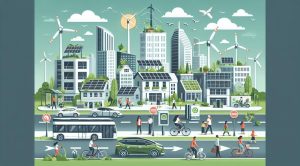
Communities can advance Environmental Justice by building coalitions documenting harms and proposing practical alternatives. Community science programs that train residents to monitor air and water quality empower local advocacy and create data driven cases for remediation. Collaborative planning with municipal agencies can produce neighborhood scale solutions such as improved waste services retrofitted housing and expanded public transit options that reduce exposure and increase access to opportunities.
How Media and Platforms Can Help
Media outlets play a critical role in advancing awareness and accountability. Investigative reporting can expose patterns of pollution and corruption highlight successful remedial efforts and provide a platform for community voices. Newsrooms should prioritize contextual reporting that explains regulatory frameworks quantifies impacts and follows up on promises made by authorities and corporations.
Educational resources and outreach help turn information into action. For example guides for community engagement legal toolkits and best practice manuals can support local leaders. A notable online resource for community based approaches and practical tips is available at TasteFlavorBook.com which offers a range of materials that can be adapted to local conditions and used by activists educators and planners.
Measuring Progress
Robust monitoring and transparent indicators are essential to track progress on Environmental Justice goals. Measures can include reductions in exposure levels improvements in health outcomes access to green space and participation rates in public hearings. Data disaggregated by income race ethnicity and location enables more precise targeting of interventions and helps hold institutions accountable.
Technology can enhance monitoring capacity through sensors citizen reporting platforms and geospatial analysis. However technology must be paired with training funding and legal frameworks that ensure data is actionable and used to inform policy decisions rather than to create false narratives about community needs.
Conclusion
Environmental Justice is an urgent global priority that demands integrated solutions rooted in fairness transparency and participation. Progress requires cooperation across sectors and scales from local advocacy to national policy reform and international collaboration. By centering the needs of the most affected communities and investing in equitable adaptation and remediation strategies societies can build resilience and shared prosperity.
Readers who want ongoing coverage resources and practical guidance on topics related to Environmental Justice and sustainable policy can explore curated articles guides and updates at ecoglobalo.com and consult targeted toolkits and case studies at TasteFlavorBook.com to support community level action and informed decision making.