

Low Carbon Living A Practical Guide to Cleaner Daily Life
Low Carbon Living is more than a phrase. It is a lifestyle choice that reduces carbon emissions while improving health and saving money. As cities and nations set targets to lower emissions many people seek clear steps they can take at home at work and in their communities. This guide explains what Low Carbon Living means why it matters and how you can start making measurable changes today.
What Low Carbon Living Means
Low Carbon Living refers to daily choices and systems that reduce the amount of carbon dioxide and other greenhouse gases released into the atmosphere. It covers energy use in buildings transport choices the food we eat and the goods we buy. The goal is to lower the carbon footprint of individuals households and communities while keeping quality of life high.
Why Low Carbon Living Matters Now
Global temperatures are rising and extreme weather events are becoming more common. Reducing emissions now slows the pace of change and limits risks to health infrastructure and the economy. Small actions at scale matter. When millions of households adopt Low Carbon Living practices the cumulative effect on emissions is substantial. Policymakers business leaders and media outlets are taking note and offering new products and services that support the shift.
Energy at Home How to Cut Emissions
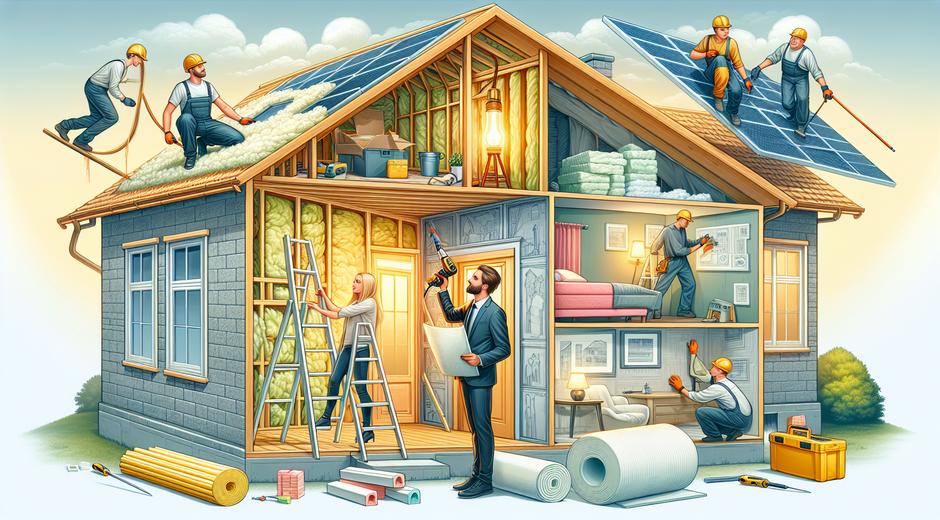
Most household emissions come from heating cooling and electricity use. A few focused actions deliver large returns. Improve insulation and seal drafts to reduce heating and cooling needs. Replace incandescent bulbs with efficient LED lighting and switch to efficient appliances. Use smart thermostats to align comfort with lower energy use. When possible consider renewable energy options such as rooftop solar or community solar projects.
Monitoring energy use matters. Smart meters and simple monitoring apps show where you use the most energy and where small changes lead to big savings. Some utilities offer time of use pricing which rewards shifting high energy tasks to off peak hours. This lowers overall emissions when the grid mixes in more cleaner electricity during those periods.
Transport and Mobility Choices
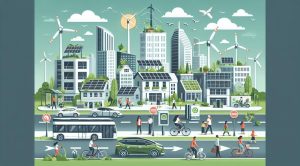
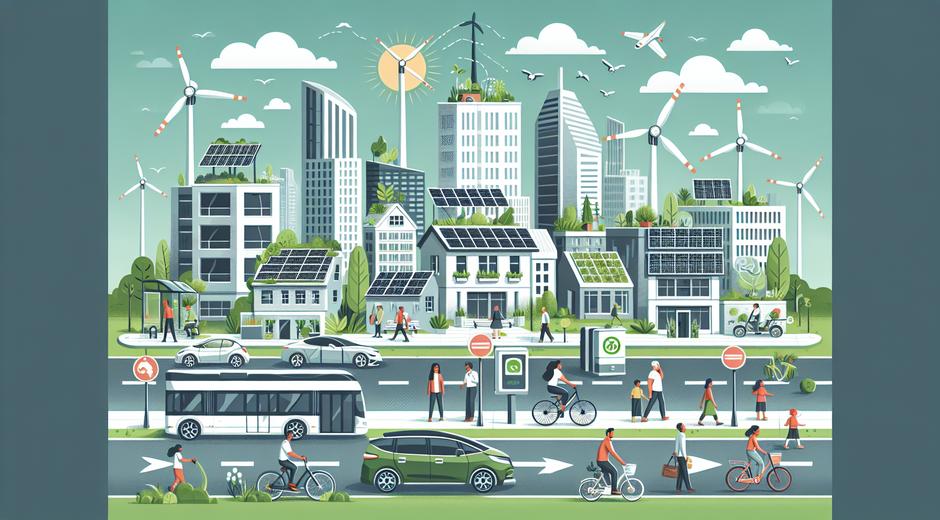
Transport is a major source of emissions in many countries. Low Carbon Living includes choosing active travel such as walking and cycling when possible. For longer journeys consider public transit car share or electric vehicles. If you need a car choose a fuel efficient or electric model and drive in ways that improve efficiency. Combine errands to reduce total trips and select routes that reduce stop and start driving.
Remote work and virtual meetings also reduce commute emissions. Many employers now support flexible schedules which helps lower peak demand for transport and spreads out energy use. Even occasional choices to replace car trips with other modes add up over months and years.
Food and Consumption
Diet and consumption patterns are powerful levers for reducing carbon. Eating more plant based meals and less high emission meat reduces the carbon footprint of your diet. Reducing food waste by planning meals storing food properly and using leftovers prevents emissions from wasted production and disposal.
Buying fewer but higher quality items and choosing products with transparent supply chains help lower embodied carbon. Repair reuse and recycling kept in mind when shopping extends the life of products and cuts demand for new resource intensive production. Community sharing libraries repair cafes and local markets support more sustainable consumption patterns.
Water Waste and Materials
Water use and materials processing produce emissions. Fixing leaks using efficient fixtures and taking shorter showers saves both water and the energy used to heat it. Choose materials with lower carbon footprints such as sustainably sourced wood recycled metals and low carbon concrete alternatives when building or renovating. Lifecycle thinking helps when planning upgrades to ensure choices reduce total lifetime emissions not just upfront costs.
Finance and Investment Choices
Your money can support the shift to Low Carbon Living. Choose banks pension funds and investment products that avoid financing high emission projects and instead support clean energy and sustainable infrastructure. Many providers now include green investment options and clear reporting about carbon exposure. You can also advocate for employer pension options that align with climate goals.
Community Action and Collective Change
Individual action is important but collective change scales impact. Join local groups that promote sustainable transport community energy projects urban greening and policies that make Low Carbon Living easier for everyone. Shared solar micro grids and bulk buying schemes for efficient appliances lower costs and increase access. Policy matters too. Engage with local councils and representatives to support building codes public transit funding and incentives for clean energy.
Tools to Measure Progress
Measuring your carbon footprint helps track progress and identify priorities. Use calculators that break down emissions by transport energy food and goods. Set realistic short term goals and review results monthly or quarterly. Use the data to guide investments such as insulation upgrades or switching to a cleaner vehicle.
Technology Trends That Support Low Carbon Living
Technology is making low carbon options more accessible. Energy storage smart home systems efficient heat pumps and advanced insulation materials lower emissions and enhance comfort. Even industries that seem unrelated to climate news are starting to share insights. For example gaming and entertainment outlets now cover energy efficient devices and sustainable hardware which introduces new audiences to Low Carbon Living ideas as shown by coverage on sites such as GamingNewsHead.com.
Practical Checklist to Start Today
Start with small high impact actions and build habits. Here is a practical checklist to begin Low Carbon Living now
- Audit your energy use and switch to LED lighting
- Seal drafts add insulation and tune heating and cooling systems
- Choose active transport public transit or efficient vehicles
- Reduce meat consumption and avoid food waste
- Buy durable products repair and reuse when possible
- Support community renewable projects and advocate for clean energy policy
As you adopt these steps you will see benefits in lower bills improved indoor comfort and less waste. Sharing your progress encourages friends and neighbors to try similar changes and multiplies impact.
Resources and Further Reading
Reliable information helps people make confident choices. For practical guides news and analysis on climate solutions and Low Carbon Living visit quality sources that offer how to guides local case studies and policy updates. Our platform offers ongoing content and practical stories about people making cleaner choices. Learn more practical tips and community initiatives at ecoglobalo.com.
Conclusion Embrace Low Carbon Living
Low Carbon Living is accessible to everyone. It combines behavioral change technology and community action to cut emissions in ways that improve daily life. Whether you focus on home energy transport food or finance every step counts. Start with a few manageable adjustments track your progress and share your success. Collective action built from many individual choices will shape a healthier more resilient future.