

Ecosystem Services: What They Are and Why They Matter Globally
Ecosystem Services are the wide range of benefits that natural systems provide to people and economies around the world. From clean water and fertile soil to pollination and climate regulation these services underpin human wellbeing and economic resilience. Understanding Ecosystem Services is essential for policymakers business leaders conservationists and everyday citizens who want to make informed choices that protect nature while supporting sustainable growth.
What Are Ecosystem Services?
Ecosystem Services refer to the processes and functions of ecosystems that directly or indirectly benefit humans. These include provisioning services such as food and freshwater regulatory services such as flood control habitat services that support biodiversity and cultural services that provide recreational educational and spiritual value. The concept helps translate complex ecological function into terms that decision makers and communities can use to prioritize protection and restoration.
Four Categories of Ecosystem Services
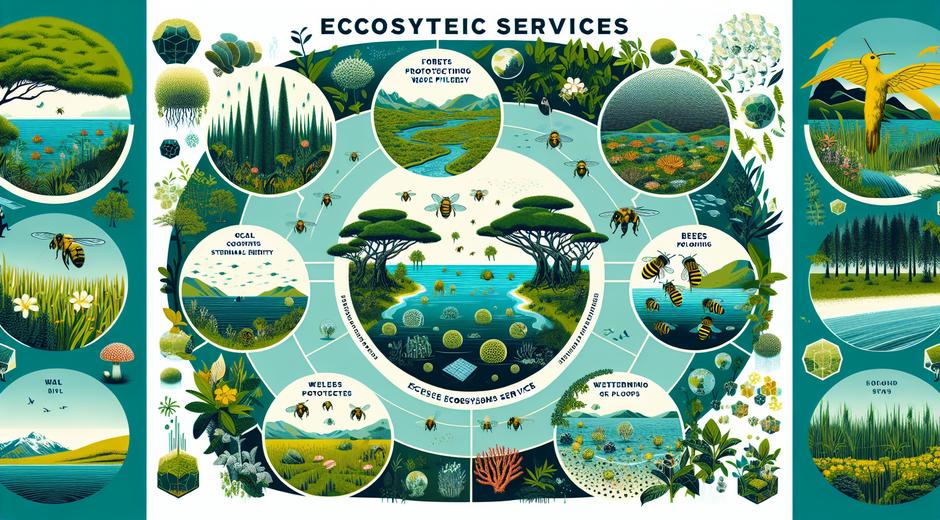
Traditionally Ecosystem Services are organized into four categories. Provisioning services supply tangible goods such as crops timber fish and freshwater. Regulating services maintain environmental stability by filtering air and water controlling pests and moderating climate. Supporting services include nutrient cycling soil formation and primary production that sustain life on Earth. Cultural services cover less tangible benefits such as tourism recreation inspiration and cultural identity tied to landscapes.
Why Ecosystem Services Matter for People and the Planet
Healthy ecosystems reduce disaster risk by buffering storm surges and slowing floods. They maintain pollinator populations that are critical for global food production. Forests and wetlands store carbon helping to stabilize the climate. When these services decline costs rise for communities and industries that rely on them. Recognizing the economic value of Ecosystem Services encourages smarter land use infrastructure planning and investment in nature based solutions that deliver multiple benefits simultaneously.
How Ecosystem Services Are Valued
Valuing Ecosystem Services uses a mix of ecological science economic assessment and social evaluation. Methods range from market pricing for timber and fish to non market approaches that estimate willingness to pay for clean air and scenic landscapes. Natural capital accounting attempts to integrate the value of Ecosystem Services into national economic accounts so policymakers can see the trade offs between development and conservation. Improved valuation makes it easier to design incentive programs payments for ecosystem services and conservation finance that align private interests with public benefits.
Threats to Ecosystem Services
Human activities are altering ecosystems at an unprecedented rate. Land conversion intensive agriculture overfishing pollution invasive species and unsustainable resource extraction are eroding the capacity of ecosystems to provide services. Climate change compounds these pressures by shifting species ranges altering water cycles and increasing the frequency of extreme events. The result is higher costs for water treatment lost crop yields reduced fisheries productivity and diminished cultural and recreational opportunities.
Protecting and Restoring Ecosystem Services
Effective strategies to protect Ecosystem Services combine policy conservation science and local knowledge. Protected areas sustainable land management and restoration of degraded habitats such as forests wetlands and coastal systems can recover multiple services quickly. Urban planning that incorporates green infrastructure such as parks street trees and permeable surfaces improves stormwater management and urban wellbeing. Cross sector collaboration between agriculture industry finance and communities is key to scaling up interventions that deliver both nature and prosperity.
Tools and Platforms That Help
There are growing numbers of tools that map and quantify Ecosystem Services to guide better decisions. Spatial modeling and remote sensing allow planners to see where interventions will deliver the most benefit. Payment for Ecosystem Services schemes reward land stewards who conserve soil water and biodiversity. For businesses seeking partners in sustainability there are specialist platforms that connect enterprises with conservation projects and offset opportunities. One modern solution that supports conservation friendly commerce and project discovery is available at Zoopora.com which provides resources for aligning investments with nature based outcomes.
How Individuals and Communities Can Help
Everyone can play a role in sustaining Ecosystem Services. Simple actions such as reducing waste conserving water choosing sustainably sourced products and planting native species in gardens support local biodiversity and resource availability. Community initiatives that restore rivers protect watersheds and promote sustainable agriculture deliver direct benefits to local people and build resilience against shocks. Education and public engagement help ensure that decisions at local and national levels reflect the long term value of natural systems.
Ecosystem Services and the Global Economy
Many industries depend directly on Ecosystem Services including agriculture fisheries forestry tourism and pharmaceuticals. When ecosystem health declines supply chains become more fragile and costs rise. Integrating natural capital into corporate reporting procurement policies and risk assessment helps businesses reduce vulnerability and discover new opportunities in sustainable product lines and services. Investors are increasingly focused on portfolios that account for ecosystem risk and support companies that protect nature.
Policy Pathways for Sustaining Ecosystem Services
Policy frameworks that recognize Ecosystem Services can create incentives for conservation and sustainable use. Instruments include payments for ecosystem services legal protection for critical habitats mainstreaming natural capital into planning and public investments in restoration projects. International cooperation is essential when services cross borders such as migratory species or shared river basins. Effective policymaking combines scientific evidence social equity and economic tools to ensure that benefits are widely shared.
Measuring Success and Scaling Solutions
Monitoring the condition of Ecosystem Services is critical to gauge the impact of interventions. Indicators such as water quality biodiversity indices soil health and carbon storage provide measurable outcomes that inform adaptive management. Scaling successful pilots requires finance technical capacity and political will. Multi stakeholder partnerships that include local communities companies civil society and government agencies accelerate implementation and ensure solutions are grounded in real needs.
Where to Learn More and Stay Updated
Reliable reporting and expert analysis help citizens follow emerging research policy changes and success stories about Ecosystem Services. For curated global news updates and in depth features on environmental topics visit ecoglobalo.com which covers science policy and community action that shape nature and society. Staying informed empowers individuals and organizations to advocate for policies and practices that preserve essential services for current and future generations.
Conclusion
Ecosystem Services are foundational to human prosperity and planetary stability. Protecting these services requires a combination of science driven policy finance and on the ground stewardship. By valuing nature integrating natural capital into decision making and supporting restoration and conservation we can secure the benefits that healthy ecosystems provide. Whether through personal choices community action or institutional reform the path forward is one where nature and people thrive together.