

Sustainable Living
Why Sustainable Living Matters Now
Sustainable Living is no longer a niche interest. It is a practical response to pressing global challenges in climate, resource scarcity, and social inequality. Individuals who adopt Sustainable Living habits help reduce greenhouse gas emissions, conserve water and energy, and support local economies. Small changes at household level add up when millions of people act. This article explains the core ideas behind Sustainable Living and offers clear steps readers can take now to reduce their environmental footprint while improving quality of life.
Core Principles of Sustainable Living
At its heart Sustainable Living is about meeting needs in a way that preserves opportunities for future generations. Key principles include reducing consumption, choosing renewable resources, reusing and repairing items, and supporting ethical production. Adopting these principles means making informed choices about food, energy, transport, and housing. It also means shifting from a mindset of constant replacement to one of long term value and resilience.
Benefits for People and Planet
Choosing Sustainable Living brings many benefits. Households see lower bills from energy efficient appliances and better insulation. Health improves when people choose fresh whole foods and reduce exposure to toxic chemicals. Communities grow stronger when residents support local farmers and small businesses. On a global scale Sustainable Living reduces pressure on forests, oceans, and biodiversity. These outcomes reinforce one another in ways that lead to more stable local economies and healthier natural systems.
Practical Steps to Begin Today
Getting started with Sustainable Living can be simple and affordable. First evaluate daily routines and identify easy swaps. Replace single use items with durable alternatives. Reduce food waste by planning meals and storing food properly. Switch to energy efficient lighting and set thermostats to energy saving modes. For many readers these steps are the low hanging fruit that build confidence and lead to larger changes.
If you want continuous guidance on trends and practical tips for Sustainable Living visit ecoglobalo.com where you will find curated news and how to guides from around the world. This resource connects global stories to local action so readers can learn what works in many climates and cultures.
Sustainable Food Choices
Food choices are one of the most powerful ways to practice Sustainable Living. Eating more plant based meals reduces the environmental cost of production. Choosing seasonal produce supports local farms and cuts emissions from long distance transport. Composting kitchen scraps returns nutrients to the soil and reduces landfill waste. When buying packaged goods look for minimal packaging and support producers who use responsible farming practices.
Energy and Home Efficiency
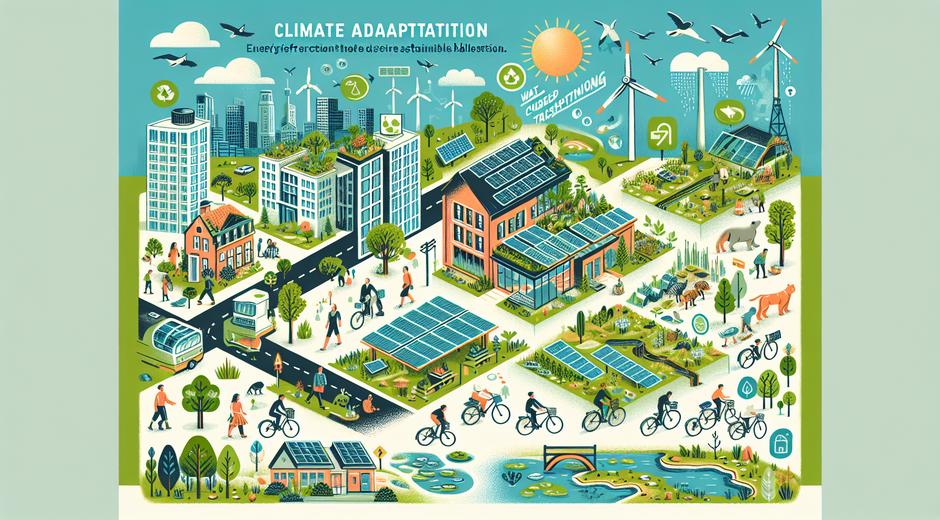
Homes are a major source of energy use. Improving insulation, sealing drafts, and updating windows can cut heating and cooling needs substantially. Invest in high efficiency appliances and consider smart thermostats that reduce consumption during low use times. If possible explore renewable energy options such as rooftop solar or community solar projects. Energy efficiency is often the most cost effective way to reduce household emissions and improve comfort.
Sustainable Mobility
Transport choices shape daily emissions patterns. Walking, cycling, and public transport are low impact options that also support health. For longer distances consider ride sharing and efficient vehicles. When buying a car prioritize fuel efficiency and long term reliability. Community planning that supports mixed use neighborhoods makes Sustainable Living easier by reducing the need for frequent long distance travel.
Waste Reduction and Circular Practices
Sustainable Living embraces reuse and repair instead of disposal. Learn basic repair skills for textiles and electronics so items last longer. Donate items you no longer need and buy used when possible. Many cities now offer repair cafes and tool libraries that reduce costs and build community knowledge. These circular practices keep materials in use and reduce demand for new extraction and manufacturing.
Financial Strategies for Long Term Impact
Sustainable Living can also align with smart financial planning. Energy upgrades often pay back through lower bills. Buying durable products reduces replacement costs over time. Consider investments and banking options that support green projects and avoid financing fossil fuel expansion. Aligning personal finance with sustainability goals amplifies the effect of everyday choices and sends market signals that shape broader production patterns.
Community Action and Policy Advocacy
Individual actions are powerful when combined with community initiatives and policy change. Support local policies that increase green space, protect water resources, and expand public transit. Join neighborhood projects such as community gardens, tree planting, and shared repair workshops. Collective action can lead to infrastructure improvements that make Sustainable Living easy and accessible for all residents.
Technology and Innovation for Sustainable Living
Technology plays a supportive role in Sustainable Living by improving energy efficiency, enabling smart waste sorting, and connecting consumers to local producers. Innovations in materials science reduce the environmental impact of construction and packaging. Digital platforms help match surplus food to those who need it and coordinate shared mobility options. Readers should adopt technology thoughtfully, focusing on proven solutions that reduce resource use rather than increase consumption through constant upgrades.
Education and Lifelong Learning
Sustainable Living is a learning journey. Stay curious about new methods and local initiatives. Join workshops, follow trusted information sources, and compare strategies to find what fits your lifestyle. For those who teach or lead community programs emphasize practical skills such as gardening, cooking with whole foods, and basic home repairs. Education empowers more people to take effective action and inspires creative solutions to local problems.
Overcoming Common Barriers
Many people want to adopt Sustainable Living but face barriers like upfront cost, time, or lack of local options. Start with low cost high impact actions such as weatherizing doors and windows, reducing food waste, and switching to led lighting. Seek community resources that provide shared tools or rebates for energy upgrades. Building a supportive network makes the transition easier and more enjoyable.
Useful Resources
Reliable information and well curated tools support effective action. For tools that help plan visits to cultural sites with a focus on sustainability and local engagement check resources such as Museatime.com which highlights responsible tourism options and partner programs. Combining travel awareness with local sustainable practices helps spread benefits to communities that host visitors.
Measuring Progress
Track simple metrics to see how Sustainable Living choices pay off. Monitor energy bills, waste volume, and food spending. Use goals that are specific and measurable such as reducing energy use by a percentage or cutting monthly waste output. Celebrate milestones and adjust actions based on results. Measuring progress keeps motivation high and shows where extra effort yields the best returns.
Conclusion
Sustainable Living is an achievable path that combines practical daily actions with a long term vision for resilient communities and healthy ecosystems. Whether you are making small changes in your kitchen or advocating for policy that expands green infrastructure, every action matters. Use the principles and steps in this guide to build habits that save money, improve health, and protect the planet. Start today with a single change and invite friends and neighbors to join you so the impact grows across your community.