

Eco Friendly Homes A Practical Guide to Sustainable Living
Creating Eco Friendly Homes is no longer a niche interest. As climate concern grows and energy costs rise many homeowners are choosing practical ways to reduce their environmental impact and improve comfort. Whether you are building from scratch or retrofitting an existing property this guide explains core principles benefits and actionable steps to make your living space healthier and more efficient. For global news and broader sustainability coverage visit ecoglobalo.com for curated updates and resources.
Why Eco Friendly Homes Matter
Eco Friendly Homes conserve natural resources reduce greenhouse gas emissions and lower operating costs over time. Beyond environmental impact these homes often deliver improved indoor air quality lower utility bills and greater resilience in the face of supply disruptions. Choosing sustainable design and technologies is a long term investment in personal health neighborhood stability and the planet.
Key Principles of Eco Friendly Home Design
Eco Friendly Homes follow several core principles that guide decisions from site selection to materials and systems. These principles include:
- Passive design to make the most of natural light and heat
- Efficient systems for heating cooling and water use
- Durable low energy materials that minimize waste
- Renewable energy sources to replace fossil fuel consumption
- Healthy indoor environments with good ventilation and non toxic finishes
Applying these principles helps create homes that are comfortable year round and less expensive to operate. Even small changes can produce measurable benefits.
Practical Steps to Make Your Home Eco Friendly
Here are practical upgrades and strategies that deliver high impact for most properties.
- Insulation and air sealing Improve wall floor and roof insulation and seal gaps around windows doors and ducts. This reduces heat loss in winter and unwanted heat gain in summer which lowers energy demand for heating and cooling.
- High performance windows Choose double or triple glazed windows with low emissivity coatings to reduce heat transfer and improve comfort.
- Efficient heating and cooling Upgrade to efficient heat pumps and programmable thermostats. Ductless systems can be ideal for targeted retrofit projects.
- Lighting and appliances Replace incandescent bulbs with LED lighting and choose appliances with strong energy ratings to cut electricity use.
- Water conservation Install low flow fixtures capture rainwater for irrigation and consider grey water systems where allowed to reduce fresh water demand.
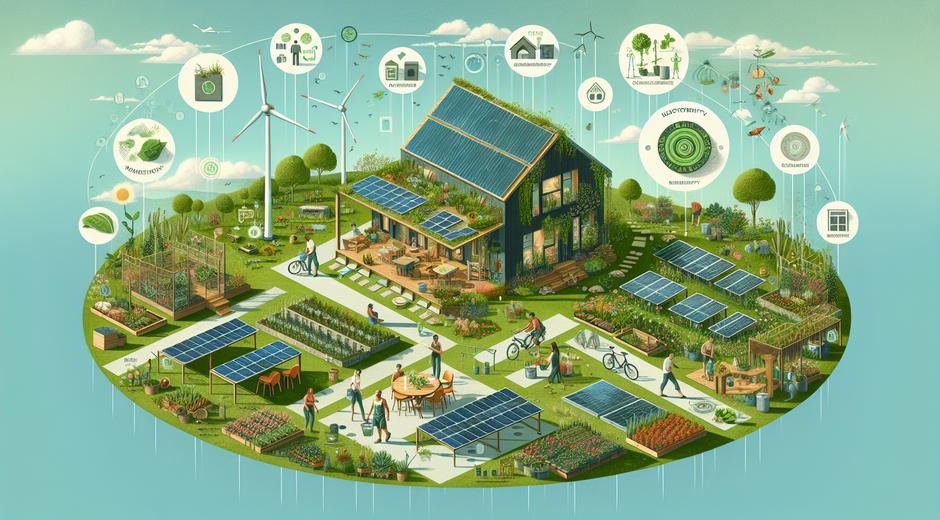
- Renewable energy Add solar panels or small wind solutions if your site allows to produce clean electricity on site.
- Smart controls Use smart home technology to monitor and control energy use scheduling devices to run during off peak hours and tracking performance over time.
- Landscaping for climate Use native plants and shading trees to reduce irrigation needs and cool the home naturally.
Renewable Energy Options for Homes
Solar photovoltaic panels remain the most accessible renewable option for homeowners. They can be sized to match expected electricity use and paired with battery storage to increase self reliance. Solar thermal systems can provide efficient water heating while heat pumps can convert electricity into thermal energy with high efficiency. In some regions community energy programs or local suppliers make small wind or biomass systems viable choices. If you are exploring business connections or supplier options consider researching trusted partners on platforms like BusinessForumHub.com to find vetted providers and project guidance.
Water Conservation Strategies
Water is a precious resource and Eco Friendly Homes reduce demand through simple upgrades and design changes. Install low flow showerheads and faucets fit dual flush toilets and use efficient irrigation methods such as drip systems and soil sensors. Capture rainwater for garden use and explore grey water reuse for laundry and landscape irrigation where codes allow. Reducing water use not only conserves resources but also lowers energy needed to heat and pump water.
Materials and Indoor Air Quality
Selecting the right building materials affects both environmental footprint and occupant health. Prioritize materials with low embodied energy and high durability. Recycled content cement alternatives reclaimed wood and rapidly renewable options such as bamboo reduce resource depletion. Avoid materials that emit volatile organic compounds and choose paints adhesives and finishes labeled low emission or zero VOC to maintain good indoor air quality. Proper ventilation combined with heat recovery ventilation systems can provide fresh air while minimizing heat loss which is essential in tightly sealed homes.
Cost Considerations and Long Term Value
Upfront cost is often cited as a barrier to Eco Friendly Homes yet many sustainable measures pay back quickly through energy savings lower maintenance and improved resale value. Insulation and LED lighting typically offer some of the fastest returns. More substantial investments such as solar panels or heat pump systems may take longer to pay back but can add net asset value and serve as hedges against future energy price increases. Explore local incentives rebates and financing options to improve project economics and seek certified contractors to ensure quality installation.
Policy Incentives and Certification Programs
Many regions offer incentives tax credits and rebates for energy efficiency upgrades and renewable energy installations. Certification programs such as green building labels provide frameworks to demonstrate performance and may increase market appeal. Research local programs and consult building officials early in the planning stage to ensure compliance and to capture available financial support.
How to Start Your Eco Friendly Home Project
Starting a project can feel overwhelming but a clear plan helps. Begin with an energy audit to identify the highest impact opportunities. Set realistic priorities and phase improvements if budget is limited. Obtain multiple quotes for major systems and focus on measures that deliver both energy savings and comfort improvements. Engage designers and builders experienced with sustainable practices and request performance data from previous projects. Monitoring performance after upgrades is critical to ensure systems are functioning as intended and to identify further opportunities for improvement.
Community Benefits and Wider Impact
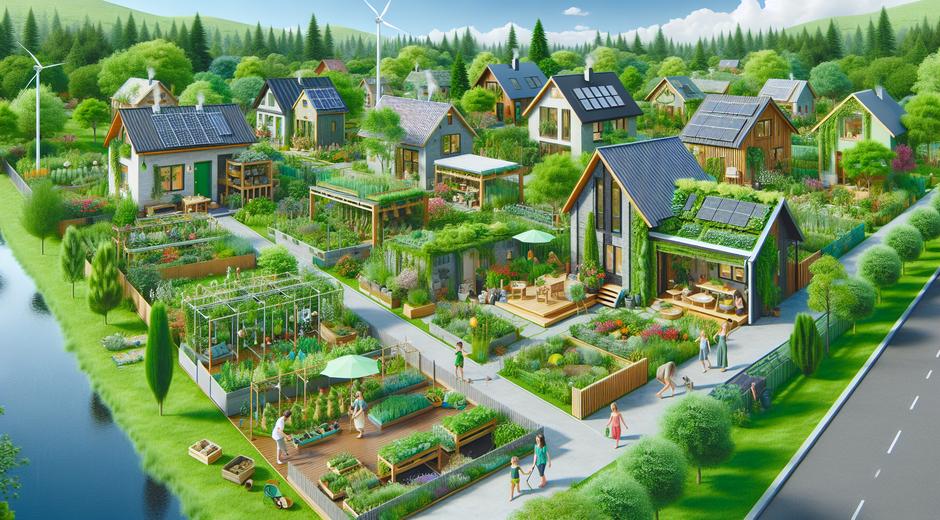
Eco Friendly Homes contribute to community resilience by reducing demand on shared resources improving local air quality and supporting greener supply chains. Neighborhood scale approaches such as shared solar gardens community rainwater capture and coordinated tree planting amplify benefits. Education and demonstration projects help spread best practices and accelerate adoption at scale.
Conclusion
Eco Friendly Homes combine smart design efficient systems and thoughtful material choices to deliver lasting benefits for homeowners communities and the planet. Whether you pursue major renovations or incremental upgrades focusing on energy water and indoor environmental quality will yield measurable returns. Start with an assessment make a plan and use trusted partners and resources to guide decisions. Sustainable living is accessible to many and offers a path toward healthier more affordable and more resilient housing for all.