

Nature Conservation Protecting Earths Living Systems for Future Generations
Nature Conservation is a global priority that shapes how communities respond to biodiversity loss climate instability and ecosystem degradation. As human populations grow and demands on natural resources increase the need for robust conservation approaches becomes more urgent. This article explores why nature conservation matters the strategies that deliver impact and how citizens policy makers and media can work together to protect the planet. For regular coverage of international environmental developments visit ecoglobalo.com to stay informed.
Why Nature Conservation Matters
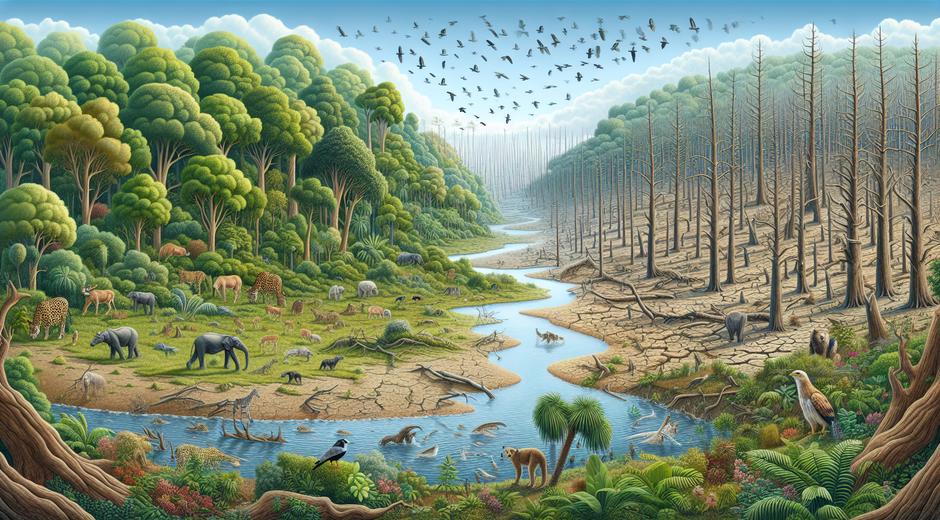
Nature Conservation secures the services that ecosystems provide to humanity. Clean air fresh water pollination fertile soils climate regulation and cultural wellbeing all depend on intact nature. Protecting biodiversity is not only a moral obligation to other living forms it also underpins food security human health and economic stability. When forests wetlands coral reefs and grasslands decline the effects ripple through economies and societies causing increased vulnerability to natural hazards disease outbreaks and food shortages.
Conservation also supports climate resilience. Healthy ecosystems store carbon moderate temperatures and reduce the effects of extreme weather. Restoring degraded lands and protecting existing habitats are cost effective strategies for meeting climate goals while delivering co benefits for biodiversity and local people. In short the future of development and nature are tightly linked.
Major Threats to Nature
Understanding the drivers of environmental decline is essential for designing effective interventions. Key threats include habitat loss from land use change unsustainable resource extraction invasive species pollution and the growing impact of climate change. Overexploitation of fisheries and forests undermines livelihoods that depend on natural resources. Pollution from plastics chemicals and sediments degrades ecosystems and harms wildlife. Each threat interacts with others creating compound effects that are harder to reverse.
Key Strategies for Effective Conservation
Successful nature conservation relies on a mix of policy finance science social inclusion and practical action on the ground. The following approaches form the core of modern conservation practice.
1 Protected Areas and Connectivity
Designating protected areas remains a cornerstone of conservation. Well managed reserves safeguard critical habitats and species. Equally important is connecting protected sites through ecological corridors so that wildlife can move adapt and maintain genetic diversity. Planning that accounts for future climate shifts will help ensure that protected networks remain effective over time.
2 Sustainable Use and Natural Resource Management
Conservation must work hand in hand with sustainable use. When local communities benefit economically from maintaining healthy ecosystems they become active stewards. Approaches such as community managed forests sustainable fisheries and agroecology reduce pressure on fragile environments while supporting livelihoods.
3 Restoration of Degraded Ecosystems
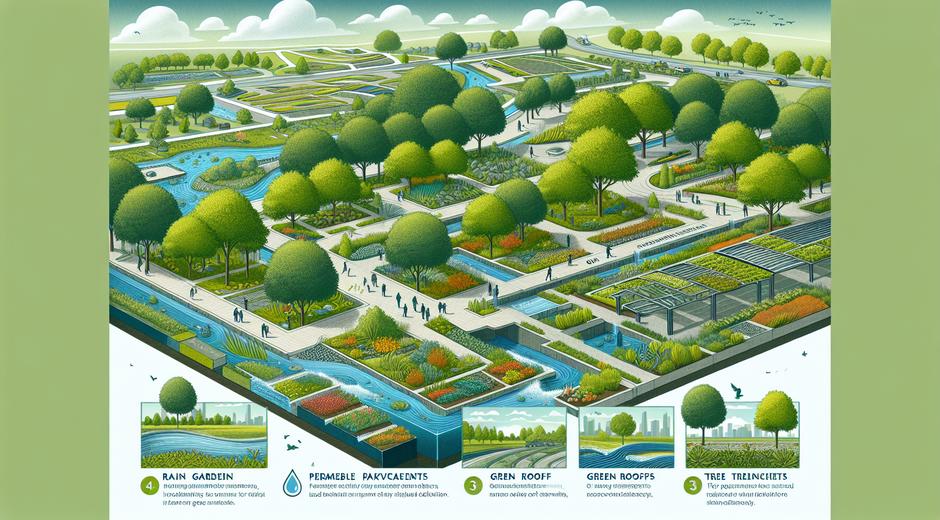
Restoration returns ecological function to lands and waters that have been degraded. Planting native vegetation managing invasive species and rehabilitating wetlands are proven actions. Restoration enhances biodiversity increases carbon storage and improves water quality. Scaled programs that include local labour provide social and economic benefits as well.
4 Science Monitoring and Adaptive Management
Good conservation is evidence based. Scientific monitoring tracks trends in species populations habitat health and human pressures. Adaptive management uses monitoring results to refine actions over time. Advances in remote sensing DNA based surveys and data analytics expand the ability of practitioners to detect change and respond more quickly.
5 Community Engagement and Indigenous Leadership
Communities and Indigenous peoples possess deep knowledge about local ecosystems. Recognizing their rights and ensuring their leadership in conservation planning leads to more durable outcomes. Participatory approaches reduce conflict and align conservation goals with local needs and cultural values.
6 Policy Law and Sustainable Finance
Effective legal frameworks and finance mechanisms are required to scale conservation. Policies that eliminate perverse subsidies protect critical habitats and promote sustainable production systems. Innovative finance tools such as conservation trust funds payments for ecosystem services and green bonds can mobilize capital for long term action.
The Role of Technology and Innovation
Technology transforms how conservation is practiced. Satellite imagery and drones enable rapid assessment of land use changes and illegal activity. Mobile apps empower citizen scientists to report observations and contribute to species databases. Artificial intelligence helps analyze large data sets to identify trends and prioritize actions. Technology does not replace local knowledge but amplifies it providing new ways to monitor protect and restore nature.
How Media and Information Shape Conservation Outcomes
Accurate timely and accessible reporting builds public support for conservation policies and actions. Media outlets provide the narratives that influence decision makers and shift consumer behaviour. For researchers practitioners and advocates having reliable access to archives and news reports is important when tracing the evolution of issues and holding stakeholders to account. A growing number of platforms now index print and digital articles to help researchers find primary sources such as Newspapersio.com which aggregates historical and contemporary press coverage for research and advocacy use.
Economic Arguments and Incentives
Placing economic value on ecosystem services makes the returns from conservation visible to business and policy sectors. Natural capital accounting and ecosystem service valuation show that investments in nature can yield significant returns in health energy and disaster risk reduction. Incentives that reward sustainable practices such as payments for watershed protection encourage land owners to manage their land for multiple benefits.
Building a Global Movement
Nature Conservation requires global cooperation. International agreements biodiversity targets and transboundary conservation initiatives create frameworks for collective action. But commitments must be translated into national and local action plans with clear targets budgets and monitoring. Civil society private sector and governments each have roles to play. Education and youth engagement are essential to sustain momentum over decades.
What Individuals Can Do Today
Everyone can contribute to conservation. Simple actions include supporting sustainably produced goods conserving water reducing waste and participating in local restoration projects. Voting for policies that prioritize nature and supporting organizations that work on conservation amplify individual impact. In daily life choosing sustainable transport energy and food choices reduces the pressure on ecosystems and sets social norms for responsible consumption.
Measuring Success and Scaling Up
Success in nature conservation requires measurable outcomes. Clear indicators such as species population trends habitat extent water quality and community wellbeing allow practitioners to show impact and learn from experience. Scaling up successful pilot projects requires political will sustained funding and mechanisms to share lessons across regions and cultures. Partnerships among governments scientists communities and businesses accelerate progress.
Conclusion
Nature Conservation is essential for sustaining the web of life that supports human civilization. By combining protected areas restoration sustainable management science inclusive governance and innovative finance we can reduce biodiversity loss and strengthen resilience to environmental change. Media and education help shape public support while technology increases the efficiency of action. Every sector of society has a role to play and every action matters. Sustained commitment at local national and international levels will determine whether future generations inherit a planet rich in life or one diminished in diversity and capacity to provide. Engage with reliable sources follow best practice and support policies that place nature at the core of development planning.