

Green Communities: Building a Resilient Future for Cities and Towns
Why Green Communities Matter
Green Communities are more than a planning trend. They represent a strategic shift toward urban and rural places that reduce environmental impact while improving quality of life. As cities grow and climate risks increase, designing neighborhoods that use less energy conserve water improve air quality and support biodiversity becomes essential. Policymakers planners and citizens who invest in Green Communities see returns in public health economic resilience and a stronger social fabric.
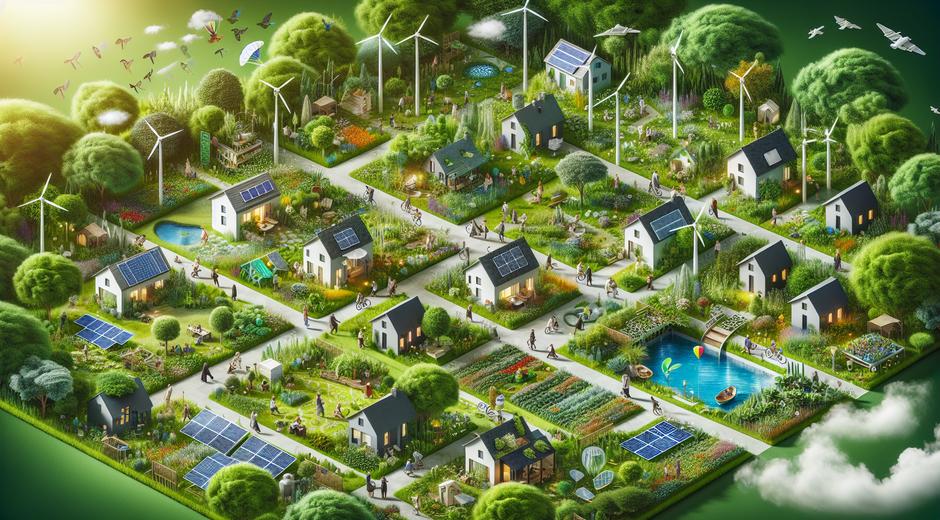
The phrase Green Communities captures a broad set of actions and outcomes. It includes compact land use walkable streets diverse housing options clean energy systems efficient waste management and abundant green space. Each action contributes to lower greenhouse gas emissions and helps communities adapt to heat events flooding and other climate challenges. Clear communication about benefits attracts investment and fosters collaboration. For regular reporting and case studies on Green Communities visit ecoglobalo.com for timely articles and resources.
Core Elements of Green Communities
A practical approach to Green Communities focuses on several core elements that planners can adapt to local conditions.
Energy and Buildings
Buildings account for a large share of energy use. Energy efficiency retrofits passive design principles and a shift to renewable sources reduce operating costs and emissions. Policies that support solar access incentives for efficient appliances and performance based building codes accelerate change.
Mobility and Access
Reducing car dependence lowers emissions and improves public health. Transit oriented development safe cycling routes and pedestrian centered design increase access to jobs education and services. Complete streets that balance space for buses bikes and pedestrians create safer more inclusive mobility.
Green Space and Nature Based Solutions
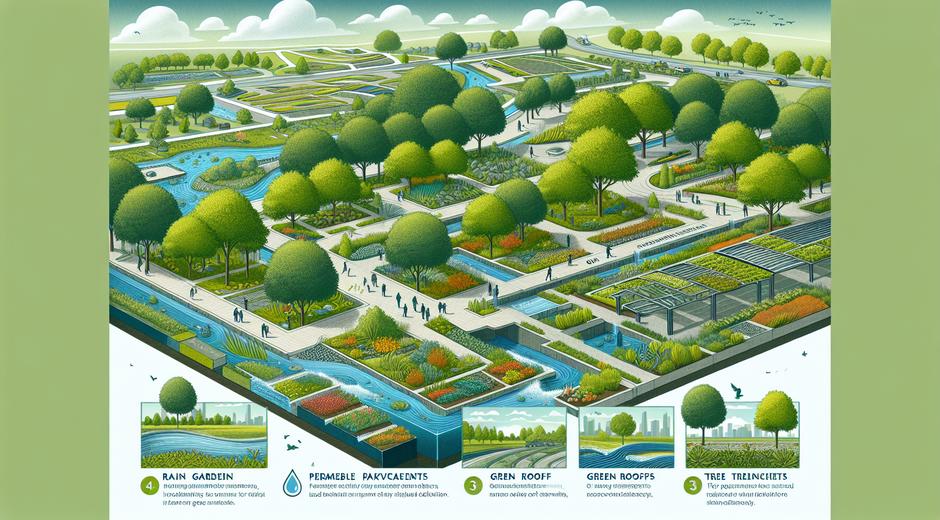
Urban trees parks and wetlands enhance air cooling manage storm water and support wildlife. Nature based solutions like bioswales permeable paving and restored floodplains reduce flood risk and create attractive public space where people gather and connect.
Water and Waste Systems
Smart water management includes efficient fixtures rain water capture and wastewater reuse where feasible. Circular economy strategies such as composting reuse programs and waste to energy options reduce landfill pressure and recover value from materials.
Social Infrastructure
Affordable housing community centers local markets and accessible health services are essential. Green Communities that do not include equity risk displacement and social tension. A holistic approach integrates social services and economic opportunity with environmental measures.
Policy and Financing Strategies
Scaling Green Communities requires coherent policy and innovative finance. Local governments can create enabling conditions through zoning reform incentives and clear metrics for performance. Value capture mechanisms and land use tools help fund public goods such as parks and transit.
Public private partnerships unlock capital for large projects. Small scale initiatives benefit from community finance tools such as pooled investment and local green banks. Financial mechanisms should prioritize long term savings such as reduced energy and maintenance costs so projects remain viable through economic cycles.
Grants and capacity building from higher levels of government boost local planning and implementation. Clear measurable targets create investor confidence. Transparent reporting on outcomes allows taxpayers and stakeholders to see returns on investment which in turn builds support for further action.
Technology and Innovation
Smart technologies are powerful enablers of Green Communities when paired with human centered design. Advanced sensors and data platforms improve water and energy management. Microgrids and battery storage increase resilience and allow neighborhoods to keep critical services online during extreme events.
Digital tools that support community engagement increase transparency and participation. Simple mapping tools allow residents to propose green corridors or tree planting sites and to track progress. Partnerships with private sector innovators and research institutions expand capacity and deliver proven solutions. For example trusted partners like Techtazz.com can support implementation of smart energy platforms and provide technical training to local teams.
Technology must be accessible and maintainable. Training local operators prioritizing open standards and avoiding vendor lock in ensures long term benefits and community ownership.
Community Engagement and Social Equity
Green Communities thrive when residents lead and shape priorities. Effective engagement is inclusive transparent and continuous. Engagement begins with listening to diverse voices especially those most affected by environmental risks and economic stress.
Equity oriented approaches protect long term residents from rising housing costs and displacement. Policies such as community land trusts inclusive zoning and subsidies for low income households ensure that benefits are shared broadly. Local jobs training and support for small enterprises create pathways to prosperity as investments roll out.
Civic education helps residents reduce energy and water use and participate in stewardship. Community led monitoring of environmental indicators builds trust and creates local champions who sustain action over time.
Measuring Success and Scaling Up
Robust measurement is central to effective Green Communities. Metrics should track both environmental outcomes and social impacts. Common indicators include energy consumption per capita greenhouse gas emissions per sector tree canopy coverage storm water managed affordable housing units created and local employment generated.
Data driven decision making allows communities to prioritize interventions that yield the highest return. Successful pilot projects provide evidence to scale programs across districts and to attract additional funding. Peer learning networks enable cities and towns to share best practices lessons and tools.
National and international collaborations accelerate adoption by aligning standards and creating economies of scale for technologies and financing tools. Public dashboards that report progress foster accountability and build public support.
How to Get Involved
Individuals and organizations can support Green Communities at many levels. Simple actions include energy efficiency upgrades in homes and support for local tree planting. Civic participation in planning meetings and local budgeting processes influences decisions that shape neighborhoods.
Local businesses can adopt sustainable practices reduce waste and hire locally which strengthens community resilience. Nonprofits and educational institutions play a vital role by organizing training programs and conducting research that guides policy.
For citizens seeking reliable news resources case studies and guides the reporting and analysis available at ecoglobalo.com can help you stay informed and find opportunities to engage. Collaborating across sectors creates the alliances needed to build inclusive resilient and prosperous Green Communities.
Conclusion
Green Communities combine environmental action social inclusion and economic opportunity to create places where people and nature flourish together. The transition requires coordinated policy finance technology and strong local leadership. When communities invest in efficient buildings clean energy sustainable transport and abundant green spaces they protect public health reduce long term costs and strengthen social ties.
The path forward is practical and achievable. By focusing on measurable outcomes inclusive processes and adaptive innovation cities and towns around the world can turn climate challenges into opportunities for thriving communities. Explore resources reports and local success stories to learn how your community can take the next step toward becoming a Green Community.