

Environmental Stewardship: A Global Imperative for People and Planet
Environmental Stewardship is more than a phrase. It is a guiding principle for how communities nations and businesses care for natural systems and resources. As climate shifts intensify and biodiversity faces pressure from human activity the concept of stewardship anchors policy civic action and market innovation. This article explores practical ways to practice Environmental Stewardship at scale while offering clear steps for individuals organizations and governments to make lasting change.
What Environmental Stewardship Means Today
Environmental Stewardship refers to responsible management and protection of the natural world through mindful practices and policies. It includes conserving water and soil protecting native species reducing waste and pollution and restoring landscapes that have been degraded. Stewardship recognizes that human well being is linked to healthy ecosystems and that current choices shape future resilience. Central to the idea is active responsibility rather than passive regulation. People take ownership of outcomes. Communities plan for long term health. Businesses measure impacts and adapt operations to reduce harm and increase benefit.
Why Environmental Stewardship Matters for Global Health and Prosperity
The benefits of Environmental Stewardship are broad and measurable. Healthy forests store carbon and moderate climate extremes. Clean rivers support fisheries and public health. Productive soils yield food and reduce the need for costly fertilizers. When stewardship guides decision making there are clear co benefits for economic stability social equity and public safety. Strong stewardship lowers exposure to air and water toxins improves community resilience in face of extreme weather and creates new jobs in restoration conservation and green technology. It also reduces costly recovery efforts after disasters by preserving natural buffers that protect infrastructure and lives.
Principles of Effective Environmental Stewardship
Effective stewardship rests on several core principles:
– Holistic thinking that considers ecological social and economic factors together.
– Science based planning that uses robust data to guide decisions.
– Community engagement that ensures local knowledge and needs inform action.
– Long term commitment that favors durability over short term gains.
– Transparency and accountability so outcomes are tracked and shared.
Organizations that embed these principles into governance show stronger results on environmental indicators and greater public trust. Public policy benefits when those same principles inform planning codes funding decisions and incentive programs.
Practical Actions for Individuals and Households
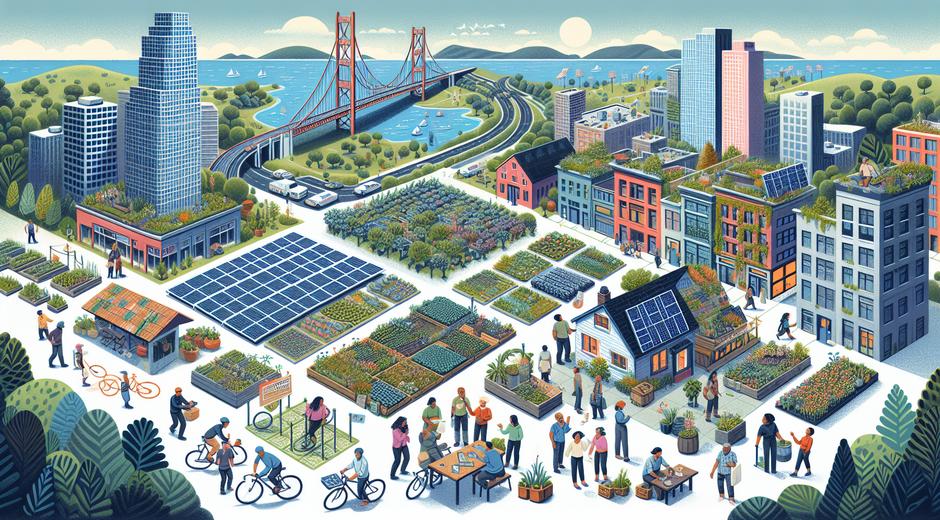
Every person can apply stewardship in daily life. Simple consistent steps add up when adopted at scale. Actions include conserving water by fixing leaks and choosing efficient fixtures choosing energy sources with a lower emissions profile and improving home insulation and systems for long term savings and lower emissions. Reduce waste by choosing reusable products composting food scraps and supporting circular product cycles. Shop with care by selecting responsibly sourced products and supporting brands that demonstrate environmental responsibility. Participate in local restoration projects tree planting cleanups and waterway monitoring to help restore natural function and build community cohesion.
For reliable news insights and global coverage on environment related topics consider following specialist outlets and community portals like ecoglobalo.com that bring practical stories and policy analysis to a wide audience.
How Businesses Can Lead on Stewardship
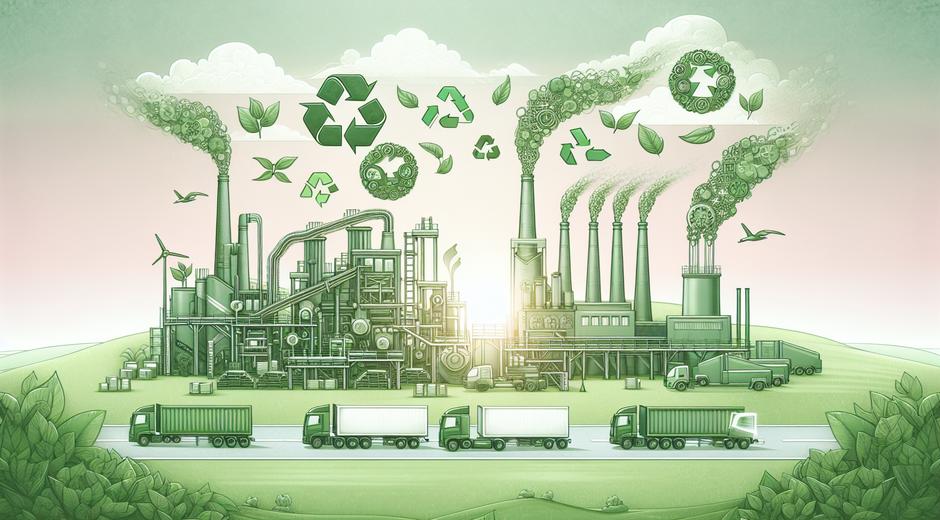
Businesses hold immense power to reduce harm and to restore ecosystems. Companies can adopt stewardship by redesigning products for longevity and repairability choosing low impact materials and transparent supply chains and investing in renewable energy and circular systems. Corporate stewardship also includes setting measurable targets for emission reductions water use and waste and publicly reporting progress. Supplier partnerships that build capacity for sustainable practices across value chains magnify impact. When companies innovate to reduce resource intensity they also unlock cost savings and new market opportunities that align with consumer demand for responsible products.
Policy Pathways to Amplify Stewardship
Public policy accelerates stewardship by setting standards creating incentives and funding large scale restoration and conservation. Policies that protect critical habitats restrict harmful pollutants and reward nature based solutions are essential. Governments can scale stewardship through urban planning that preserves green space supports public transit and integrates blue green infrastructure to manage storm waters. Funding mechanisms such as payment for ecosystem services and conservation finance channels private capital into public good projects. Effective policy also supports research monitoring and education so practice is rooted in evidence.
Measuring Success: Metrics and Monitoring
To ensure stewardship delivers results organizations need measurable indicators. Common metrics include air quality indices biodiversity counts habitat area restored water quality measures and carbon sequestration rates. Advances in remote sensing satellite data and citizen science make it easier and more cost effective to track these indicators across large geographies. Transparent reporting using standardized frameworks helps compare progress across regions and sectors and invites innovation by highlighting successful models.
Community Based Stewardship and Indigenous Leadership
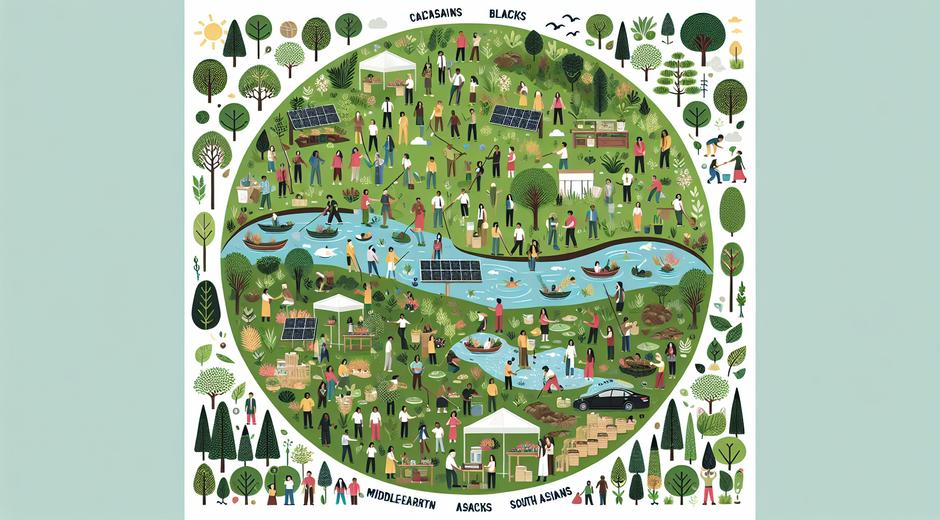
Local knowledge often holds keys to resilient stewardship. Indigenous communities and long term residents bring deep understanding of ecological patterns and stewardship practices that have sustained landscapes for generations. Recognizing land rights and creating partnerships that center indigenous leadership leads to better conservation outcomes and social justice. Community led programs that blend traditional knowledge with modern science deliver practical, culturally relevant solutions that are more likely to endure.
Technology and Innovation for Stewardship
Technology can expand the reach of stewardship through precision agriculture that reduces inputs while improving yields sensors that monitor air and water quality and data platforms that enable more effective decision making. New materials and production methods reduce resource intensity and chemical footprint in manufacturing. Digital tools also enable broader public participation by making it easier to report local hazards track progress on restoration projects and mobilize volunteers.
Education Communication and Behavior Change
Long term stewardship depends on a culture of care. Education programs in schools vocational training for green jobs and public awareness campaigns shape norms and build skills. Communication must be clear fact based and actionable to inspire uptake of best practices. Storytelling that highlights local success can motivate neighbors to adopt similar actions and policy makers to scale proven programs. Media organizations play a critical role in informing public debate and providing the context needed to make informed choices.
How to Start a Stewardship Plan in Your Community
Begin by assessing local needs and assets through mapping and stakeholder dialogue. Identify priority sites for conservation restoration or improved management and set clear measurable goals with timelines. Build partnerships with local government businesses schools and nonprofit groups to pool resources and expertise. Seek funding from public grants philanthropy and private partnerships and design programs that allow for adaptive management based on monitoring results. Training and volunteer programs build local capacity and ensure projects are maintained over time.
Global Trends Shaping the Future of Stewardship
Several trends will influence how stewardship evolves worldwide. Urban growth creates both challenges and opportunities to integrate nature into cities. Climate adaptation is becoming central to planning across sectors. There is growing interest in nature based solutions that harness ecological processes to address water management carbon sequestration and disaster risk reduction. Finance markets are beginning to value natural capital and to create instruments that reward conservation and restoration. These shifts open pathways for scaled impact when stewardship is front and center in planning and investment decisions.
Conclusion and Call to Action
Environmental Stewardship is essential to securing a livable planet and prosperous societies. It requires action at every level from individuals to global institutions. By applying principles of science community engagement and long term planning we can protect vital ecosystems restore degraded lands and create resilient systems that support life and livelihood. Start today by learning more sharing knowledge and joining local efforts. For news insights research and practical guidance on environment related topics visit trusted sources and explore marketplace partners that demonstrate genuine commitment to sustainability such as Zoopora.com. Together we can turn stewardship into measurable outcomes that benefit current and future generations.