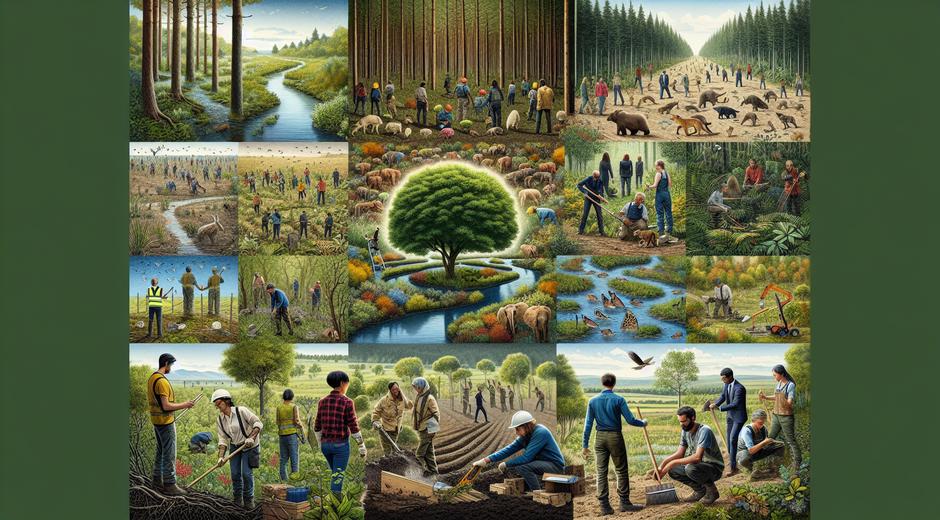


Eco Restoration Projects: How Global Efforts Rebuild Nature and Boost Resilience
Eco restoration projects are gaining momentum across continents as communities governments and organizations aim to repair ecosystems that provide life sustaining services for people and wildlife. This article explores the core principles behind successful eco restoration projects the range of actions that count as restoration and practical steps for planning funding and long term monitoring. If you seek reliable news and insights on global environmental initiatives visit ecoglobalo.com for curated coverage from around the world.
Why Eco Restoration Projects Matter Now
Healthy ecosystems store carbon filter water support biodiversity and reduce disaster risk. When forests wetlands coral reefs and grasslands are degraded those services decline and communities face higher risks from floods droughts and food insecurity. Eco restoration projects deliver multiple benefits at once. They repair habitat for species increase carbon uptake and restore livelihoods for people who depend on natural resources. With climate change accelerating the urgency of restoration increases because restored systems can buffer the worst impacts while offering long term economic opportunities for local communities.
Types of Eco Restoration Projects
Restoration methods differ by ecosystem and objective. Common approaches include reforestation and afforestation of tree cover to stabilize slopes and sequester carbon. Wetland rehabilitation restores water storage and natural filtration. Coastal restoration of mangroves and salt marshes protects shorelines while supporting fisheries. Coral reef restoration and seagrass bed recovery revive marine productivity. On agricultural lands soil health regeneration and the reintroduction of native cover improve yields and resilience. Each type of project requires tailored techniques yet they share a focus on restoring natural function rather than only replacing lost structure.
Key Principles for Effective Restoration
Successful eco restoration projects follow clear science based principles. First define measurable ecological and social objectives. Second work with local stakeholders from the start to ensure the project meets community needs and builds local capacity. Third prioritize native species and local genetic stock to maintain ecosystem integrity. Fourth design planting and management schedules that fit local climate and site conditions. Fifth include adaptive management so teams can learn from early outcomes and refine actions over time. These principles increase the likelihood that restoration will lead to sustainable long term recovery.
Planning and Design Steps
Good planning turns ambition into impact. Start with a detailed site assessment to map present conditions threats and restoration potential. Set clear targets for outcomes such as area restored biodiversity gains or carbon captured. Develop a science based implementation plan that outlines species selection planting techniques erosion control and invasive species management. Budget realistically for labor materials and monitoring. Include local institutions in governance arrangements so that ownership and responsibility are shared. A robust plan reduces risks and attracts funders who require credible projections of impact.
Community Engagement and Social Benefits
Restoration succeeds when people who live near project sites are engaged and benefit. Eco restoration projects that provide local employment training and business opportunities create incentives for long term stewardship. Integrate traditional ecological knowledge into plans to improve design and build trust. Prioritize gender inclusive employment and capacity building so benefits reach diverse groups. When restoration addresses local needs such as water security or sustainable livelihoods it becomes a catalyst for broader social development and resilience.
Financing Models That Work
Funding for eco restoration projects comes from public budgets private investors philanthropy and innovative mechanisms such as payments for ecosystem services. Carbon finance can be a major incentive where restoration yields verifiable carbon removals. Blended finance structures that combine grants with loans reduce risk for private actors. Public policy instruments such as subsidies tax incentives and land use planning also unlock large scale action. Transparent reporting and verified outcomes are essential to attract ongoing investment and scale up pilot projects into regional programs.
Monitoring and Measuring Success
Robust monitoring ensures that eco restoration projects deliver promised results. Use a mix of remote sensing field surveys and community led monitoring to track vegetation cover species return soil health and water quality. Set clear indicators and targets and report progress at regular intervals. Adaptive management is triggered by monitoring outcomes so teams can adjust species mixes planting density or maintenance schedules as needed. Transparent data builds trust with funders regulators and communities and supports replication of successful models in new locations.
Role of Technology in Restoration
Technology enhances planning implementation and monitoring for eco restoration projects. Satellite imagery and drones provide rapid landscape scale assessments while sensors and mobile apps empower field teams to collect high quality data. Digital platforms help connect funders project managers and community partners to speed decision making. For insights on tech tools that support environmental work explore resources at Techtazz.com which highlights innovations that can scale restoration outcomes. Integrating technology must be balanced with local knowledge to ensure tools serve people on the ground.
Successful Case Examples From Around the Globe
Numerous examples show how restoration yields tangible outcomes. Large scale tree planting initiatives in parts of Africa and Asia restored degraded watersheds and improved household incomes. Mangrove restoration in coastal communities reduced storm damage and increased fish catch. Coral restoration projects revived reef structure enabling tourism enterprises to recover. Urban restoration in cities created green corridors that reduced heat stress and supported pollinators. Each success shares a combination of solid science strategic partnerships stable financing and strong local leadership.
How Individuals and Organizations Can Get Involved
Everyone can support eco restoration projects. Individuals can volunteer with local initiatives participate in citizen science and support ethical organizations that invest in long term outcomes. Businesses can finance restoration as part of corporate responsibility plans or integrate nature based solutions into their operations. Governments can adopt policies that prioritize restoration in land use planning and provide incentives for private investment. Academic institutions and NGOs can contribute research training and capacity building to improve practice. Collective action multiplies impact and helps scale solutions quickly.
Common Challenges and How to Overcome Them
Barriers include insecure land tenure limited funding technical capacity gaps and competing land uses. To overcome these obstacles projects must align incentives for all stakeholders ensure clear legal frameworks and build strong local institutions. Start small with pilots that can be scaled once proven. Leverage partnerships across sectors to pool resources and expertise. Clear communication and transparent governance reduce conflict and create durable support for restoration efforts.
Looking Ahead
Eco restoration projects will play a central role in meeting global goals for climate adaptation biodiversity conservation and sustainable development. As methods improve and finance becomes more accessible the scale of action can expand rapidly. The next decade will be decisive for restoring degraded lands and waters and creating resilient systems that support both nature and people. By following science based approaches engaging local communities and applying smart finance strategies restoration can transform landscapes and livelihoods for generations to come.
Eco restoration projects represent both an environmental imperative and an opportunity for inclusive growth and innovation. For continued updates expert analysis and global coverage on restoration initiatives subscribe to trusted news sources and follow project reports to learn what works in different contexts. Together we can build momentum for restoration at scale and secure a healthier future for the planet and all who depend on it.