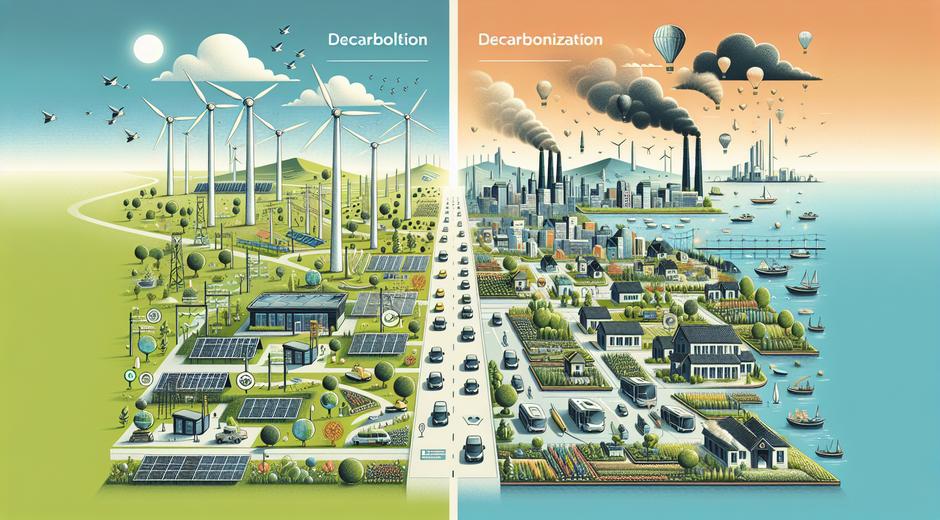


Decarbonization Strategy A Practical Guide for Governments and Businesses
Developing a strong decarbonization strategy is no longer optional for nations and firms that aim to remain resilient in a changing global market. A well designed plan reduces greenhouse gas emissions while unlocking new economic opportunities in clean energy and efficiency. This article explains how to create an effective decarbonization strategy that is practical actionable and measurable. It highlights policy levers technology choices financing options and governance models that help leaders deliver results.
Why a Decarbonization Strategy Matters
A decarbonization strategy sets a clear pathway for reducing CO2 emissions and other greenhouse gases in a consistent way over time. It aligns targets with policy tools and investment priorities so that progress is predictable. For public decision makers this strategy guides infrastructure planning regulation and public finance. For private companies it informs capital allocation operations and product design. In both cases a credible strategy reduces risk and increases investor confidence.
Core Elements of an Effective Decarbonization Strategy
At its core a decarbonization strategy has several interlocking elements. First it defines science based targets and timelines that reflect national commitments and sector realities. Second it maps current emissions by source so leaders know where changes will have the greatest effect. Third it prioritizes interventions based on cost effectiveness feasibility and social impact. Fourth it assigns clear responsibilities and timelines for implementation and monitoring. Finally it integrates finance and market design so that change is sustainable over the long term.
Setting Targets and Timelines
Targets must be ambitious and realistic. Many jurisdictions adopt net zero goals for mid century while setting interim targets for each decade. A decarbonization strategy should translate broad goals into sector specific milestones. For example power systems can aim for high shares of renewable electricity within one decade while industry and transport plan for fuel shifts and efficiency gains over two or three decades. Breaking large goals into phased actions makes progress easier to manage and easier to verify.
Mapping Emissions and Priorities
Comprehensive emissions mapping is the foundation of any decarbonization strategy. This means measuring emissions from power buildings transport industry agriculture and land use with consistent methods. Mapping reveals high impact opportunities. For instance many countries find that power and transport together account for the majority of emissions. Targeting these sectors first can yield fast measurable gains. A clear map also helps avoid unintended consequences such as shifting emissions offshore or increasing costs for vulnerable households.
Technology Choices and Sector Specific Paths
A decarbonization strategy embraces both established and emerging technologies. In power markets renewables paired with storage and flexible dispatch are central. In buildings energy efficiency combined with electrification of heating lowers demand and emissions. In transport electrification of light vehicles plus efficiency improvements in heavy transport are important. For heavy industry pathways often include material efficiency electrification hydrogen and carbon capture and storage. The strategy must assess technical readiness cost trajectories and supply chain needs for each option.
Policy Tools That Deliver Results
There is no single policy tool that guarantees success. A robust decarbonization strategy uses a mix of regulations market incentives and information programs. Carbon pricing aligns market signals with climate goals. Performance standards drive technology adoption in buildings vehicles and appliances. Public procurement and fiscal incentives accelerate market scale for low carbon solutions. Complementary measures such as workforce training and support for communities in transition ensure fairness and political durability.
Financing and Investment Models
Creating the right financing architecture is essential for implementation. Public finance can mobilize private capital by reducing risk through guarantees concessional loans and blended finance. Green bonds and climate linked loans provide long term resources for infrastructure. A decarbonization strategy should include a pipeline of investable projects clear eligibility criteria and monitoring frameworks so investors can assess impact. For firms transitioning business models it is critical to align capital planning and investor communications with the strategy to avoid stranded assets.
Corporate Implementation and Governance
Companies that embed a decarbonization strategy into core governance outperform peers on risk management and stakeholder trust. This requires board level oversight clear internal targets cross functional coordination and integration with procurement and supply chain practices. Scenario planning helps firms test resilience under different policy and market conditions. For practical resources on corporate planning and evaluation tools readers can explore external platforms such as Chronostual.com which offer toolkits and case examples that support corporate action.
Measurement Verification and Reporting
Tracking progress is critical. A decarbonization strategy must establish metrics reporting cycles and third party verification where appropriate. Consistent accounting approaches for emissions allow comparisons across sectors and time. Disclosure practices that align with international frameworks increase transparency and access to capital. Governments can require regular reporting for regulated entities while providing public dashboards that show national progress toward targets.
Social Equity and Just Transition
Transitioning to low carbon economies affects workers communities and consumers. A credible decarbonization strategy includes measures to protect the most affected groups. This may include retraining programs wage support targeted investments in affected regions and policies to mitigate energy cost impacts for low income households. Engaging stakeholders early and designing participatory processes reduces conflict and builds durable support for the strategy.
Implementation Roadmap and Institutional Roles
Success depends on clear roles institutions and timelines. National plans should define which agencies set standards which agencies deliver programs and which bodies track results. Local governments play a crucial role in planning land use transport and building codes. Private sector actors deliver technology and finance while civil society monitors fairness and environmental integrity. A decarbonization strategy that clarifies these relationships reduces duplication and improves efficiency.
Scaling Innovation and International Cooperation
Many low carbon technologies benefit from international cooperation on research development and supply chains. A decarbonization strategy should include mechanisms for technology transfer joint research and collaborative financing. Shared standards and common certification help scale markets for clean goods and services. For countries with limited resources international partnerships can unlock additional technical support and investment flows.
Common Pitfalls and How to Avoid Them
Common pitfalls include weak targets poor measurement inadequate finance and lack of stakeholder engagement. A robust decarbonization strategy avoids these by setting clear interim milestones ensuring data based planning aligning finance and policy and engaging stakeholders continuously. It also plans for unintended consequences such as increased resource demand by integrating circular economy principles and demand management into the plan.
How to Start Today
For leaders ready to act the first steps are simple. Begin by mapping emissions and setting near term targets. Convene stakeholders to identify priority actions and build a balanced mix of policy and finance instruments. Pilot projects provide early wins and evidence for scale up. Regularly share results and adjust actions based on performance data. For ongoing coverage analysis and global perspectives on how different countries and industries design their decarbonization strategy readers can find timely reporting and resources on ecoglobalo.com.
Conclusion
A credible decarbonization strategy is a practical roadmap for reducing emissions while promoting growth innovation and equity. It combines clear targets detailed sectoral plans finance mechanisms and robust governance. By focusing on measurable outcomes and inclusive processes governments and companies can reduce climate risk and seize new opportunities in clean energy. Action now matters because early investment and planning reduce costs and create a competitive advantage in the low carbon transition.