Sustainable agriculture tech: Transforming food systems for a resilient future
The rise of sustainable agriculture tech is reshaping how farmers grow food and how consumers think about supply chains. As global demand for safe nutritious food grows, innovations that increase efficiency while protecting natural systems are no longer optional. On ecoglobalo we cover the latest stories and breakthroughs across regions and scales. Visit ecoglobalo.com for ongoing coverage of policy trends research reports and market moves that affect food security and rural livelihoods.
What sustainable agriculture tech means today
Sustainable agriculture tech brings together tools methods and practices that produce food in ways that maintain soil health conserve water reduce chemical use and support rural economies. This term covers a wide set of innovations from sensors and data analytics to crop systems that use less land and less water. The goal is to deliver reliable yields while reducing negative impacts on ecosystems and human health.
Core technologies driving change
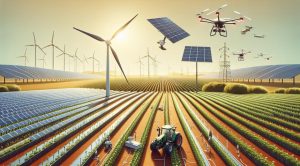
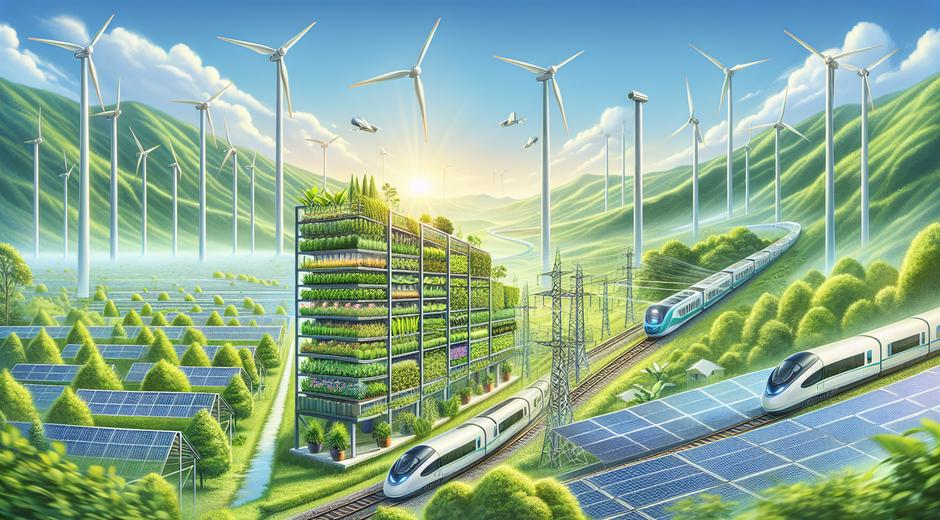
Several technology families are at the center of the shift. Precision agriculture uses sensors satellite imagery and machine learning to guide inputs such as water and fertilizer so they are applied only where and when needed. Smart irrigation systems adjust water use in response to soil moisture and weather forecasts so farms conserve water without cutting yields. Controlled environment systems such as vertical farms and hydroponic houses let growers produce vegetables with very low water use and no soil erosion.
Drones and autonomous ground robots are changing monitoring and labor. Drones capture high resolution images to identify stress early so farmers can act before losses grow. Robots perform tasks such as weeding and harvesting with high repeatability so labor shortages are less disruptive. Digital platforms link small farms to markets and finance so producers can access buyers and credit that were once out of reach.
How sustainable agriculture tech improves resilience
Resilience in farming means the ability to handle shocks like extreme weather pests or price swings while maintaining production and income. Technology supports resilience in multiple ways. Data driven tools help plan crop rotations and choose varieties that match local climate risks. Early warning systems powered by remote sensing give farmers time to prepare for drought or heavy rain. Renewable energy on farm such as solar powered pumps reduces reliance on fragile supply chains for fuel.
In addition many technologies help protect natural capital which is the foundation of long term productivity. Soil sensors and cover cropping practices improve organic matter and water retention. These gains mean crops are better able to survive dry spells and heavy rains. When farmers adopt technology with ecological practices the results are often higher yields lower input costs and improved ecosystem services.
Economic benefits and business models
Adoption of sustainable agriculture tech can increase profitability through reduced input costs and higher market value for sustainably grown products. Precision input use cuts wasted fertilizer and pesticide applications. Value chain platforms reduce transaction costs and give producers access to premium markets for certified produce. New business models such as equipment as a service enable small farms to access advanced tools without large up front purchase costs.
Investors and entrepreneurs are funding startups that combine hardware software and training to scale impact. Public private partnerships and farmer cooperatives help deploy technologies in ways that are inclusive and locally relevant. Policy frameworks that reward sustainable practices such as payments for ecosystem services add an incentive layer that accelerates uptake.
Barriers to adoption and how to overcome them
Despite clear benefits barriers remain. High initial cost complexity of new tools and limited digital skills are common obstacles. Many tech products are designed for large farms in high income countries and do not match needs of smallholder producers in other regions. To bridge these gaps stakeholders must focus on local adaptation affordable financing and training.
Extension services and peer learning networks are essential. When farmers see successful examples from nearby regions they are more likely to try new methods. Policy makers can support this transition by funding pilot projects creating favorable finance options and ensuring that data privacy and fair access rules protect small producers.
Case examples that illustrate impact
A coastal region converted from flood prone monocultures to diversified plots that integrate agroforestry low input irrigation and sensor based nutrient management. The combined approach improved soil water retention reduced fertilizer use and increased income through mixed crop sales. Another example from an urban area used modular vertical units to supply fresh greens to a local market. These units cut transport emissions and provided stable year round employment for residents.
In both cases sustainable agriculture tech did not act alone. Success required training market links and governance mechanisms that supported equitable land use and water access. Technology amplified local knowledge and provided tools to scale what worked.
Policy priorities to scale sustainable agriculture tech
To expand benefits at scale policy makers should focus on a set of high impact priorities. First invest in rural broadband and digital infrastructure so data driven tools can operate. Second promote public programs that de risk finance and provide matching grants for equipment and training. Third create transparent certification systems that reward low impact production methods and connect producers to markets that value sustainability.
Regulatory clarity around data ownership and platform fairness is also vital. Farmers must trust that the data they generate will be used to benefit them and not to extract value without fair returns. When regulations support fair access innovation can flourish while preventing negative outcomes.
How to choose the right technology for your farm
Choosing the right sustainable agriculture tech requires a clear assessment of farm goals constraints and the local context. Start with the biggest pain points such as water scarcity or labor gaps and seek tools that address those needs. Pilot small scale solutions to test fit and then scale up in stages. Look for vendors that provide training and after sales support and consider shared ownership models if cost is a barrier.
Resources for practitioners and investors
Practitioners need reliable guidance on promising equipment and service providers. For curated reviews and product comparisons in related sectors one useful resource is StyleRadarPoint.com which highlights trusted vendors and offers insights into product performance and cost. Combining such reviews with local field trials gives a balanced perspective before making investment decisions.
The role of research and innovation
Ongoing research into crop genetics soil biology and climate adaptation underpins sustainable agriculture tech. Public research institutions private labs and farmer led experimentation together create the knowledge base for new solutions. Open data platforms that share findings accelerate learning and reduce duplication of effort across regions.
Final thoughts and next steps for readers
Sustainable agriculture tech offers a pathway to produce more food with fewer negative impacts. It is not a single silver bullet but a suite of approaches that must be adapted to local needs. For policy makers funders and farmers the priority is to create enabling environments that combine finance training infrastructure and fair market access.
Follow ongoing coverage and deep dive analysis on this theme at ecoglobalo.com where we track the stories that matter for a resilient equitable food future.