

Why Eco Friendly Packaging Matters Now More Than Ever
The move toward eco friendly packaging is not a trend that will fade. It is a global shift driven by climate urgency, consumer demand and new regulation. Businesses that embrace sustainable packaging can reduce waste, improve brand trust and unlock long term savings while protecting the planet. In this article we explore practical paths to adopt eco friendly packaging across industries, from material selection to design strategy and supply chain integration.
What Makes Packaging Eco Friendly
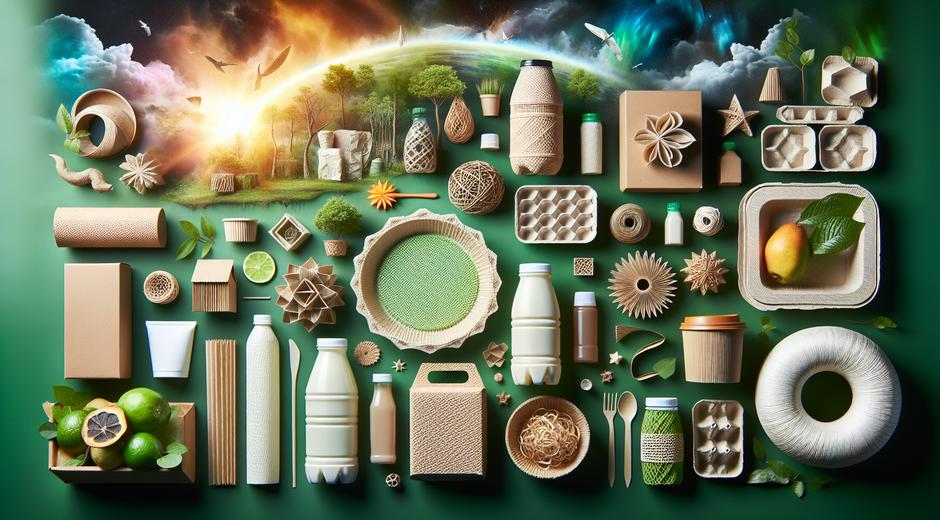
Eco friendly packaging minimizes environmental impact across the product life cycle. That includes sourcing renewable materials, cutting material use, enabling reuse or easy recycling and reducing energy use in manufacturing. Common elements include the use of recycled paper or cardboard, biobased plastics that come from plant sources rather than fossil fuels, and compostable options where industrial or home composting systems exist. A true commitment involves measuring impacts with life cycle assessment and making ongoing improvements.
Key Benefits for Businesses
Adopting eco friendly packaging delivers multiple advantages. First it enhances brand reputation among consumers who increasingly prioritize sustainability when making purchases. Second it can lower costs by reducing material weight and volume which means lower shipping bills and less storage space. Third it prepares companies for tightening rules on single use items and landfill waste. Finally it drives innovation in product design and can open new market segments focused on green values.
Top Materials to Consider
Choosing the right materials is a cornerstone of effective sustainable packaging. Recycled content paper and cardboard are among the easiest swaps for many product categories. These options are widely recyclable and often available at competitive prices. Biobased plastics such as polylactic acid are useful for clear packaging but their end of life depends on local composting infrastructure. Compostable packaging can be compelling for food service but must be matched to a compost system to realize its benefits. Innovative materials such as mushroom based substrates and seaweed derived films are emerging options for brands aiming to stand out.
Design Strategies That Reduce Waste
Good design minimizes the amount of material needed while protecting the product. Simple measures include avoiding unnecessary secondary packaging, using right sized boxes and designing for stacking to reduce void fill. A focus on modular design allows one package to fit multiple items and reduces SKU specific inventory. Clear labeling that instructs consumers how to recycle or compost packaging increases diversion from landfill. Design for disassembly helps ensure components are separated and processed correctly in existing recycling streams.
Supply Chain Steps for Implementation
Implementing eco friendly packaging requires collaboration across procurement, design, manufacturing and logistics. Start with a baseline audit to identify high impact items. Prioritize changes that yield the greatest environmental and cost benefits. Engage suppliers early to understand material availability, lead times and minimum orders. Pilot changes with a limited product range to test customer response and operational feasibility before scaling. Tracking performance metrics such as reduction in weight, percent recycled content and recycled yield helps justify further investment.
Consumer Communication and Labeling
Transparent communication is essential. Consumers want clear guidance on how to handle packaging after use. Labels that simply state whether packaging is recyclable or compostable can be effective when supported by local recycling guidance. Avoid vague claims and provide context where necessary. For deeper engagement consider adding QR codes that link to product pages with detailed information on ingredient sourcing and end of life options. For broader reach you can direct readers to resources on your company platform like ecoglobalo.com where you publish educational content and updates on packaging initiatives.
Cost Considerations and ROI
Many perceive sustainable packaging as more expensive. While some materials carry a premium, cost savings often emerge from reduced material use, lower transport expenses and increased consumer loyalty. Calculate return on investment by including both direct cost changes and indirect benefits such as brand premium and reduced regulatory risk. Incentive programs and grants may be available in some regions to offset initial costs for small and medium sized enterprises. Long term contracts with suppliers can also stabilize pricing for recycled or biobased materials.
Common Pitfalls to Avoid
There are pitfalls that can undermine even well intended efforts. First greenwashing erodes trust so avoid unsubstantiated claims. Second mismatching packaging to local infrastructure leads to poor disposal outcomes for consumers. Third complex multi material formats are difficult to recycle and often end up as waste. To avoid these issues test packaging in real world scenarios and work with trusted partners. For technical needs such as barrier performance and printing compatibility a specialist partner can help you choose options that meet functional needs without sacrificing sustainability. A reliable resource for technical solutions is available at Fixolix.com which lists machinery and components that help convert sustainable materials at scale.
Case Studies That Prove the Value
There are many success stories from companies of every size. A small food maker switched to recycled board for retail boxes and reduced shipping density which lowered transport costs and reduced package waste. A large retailer introduced a refill program for household cleaners and saw an increase in repeat purchases while slashing single use plastic. Another brand moved to a fully recyclable mono material structure for its cosmetic jars which simplified recycling and reduced end of life contamination. These examples show that different strategies work for different sectors and that measurable benefits follow careful planning.
Policy Trends and Future Outlook
Policy is moving toward extended producer responsibility and restrictions on difficult to recycle materials. This means companies need to plan for changes in compliance and reporting. Investing in circular economy strategies such as take back schemes and reusable packaging systems will become increasingly valuable. On the technology front we will see improvements in chemical recycling, more scalable biobased polymers and smarter packaging that communicates with waste systems. Brands that act now will have a competitive edge as regulations and consumer expectations tighten.
Practical Steps to Get Started Today
Begin by mapping your packaging portfolio and scoring items by environmental impact and business value. Set clear goals that are time bound and measurable. Engage internal teams and educate stakeholders on why change matters. Pilot a few initiatives and measure results. Share wins publicly to build momentum with customers and partners. Partner with suppliers and technical specialists to ensure material and process compatibility. Small changes add up and create a credible pathway to broader transformation over time.
Final Thoughts
Eco friendly packaging is both a responsibility and an opportunity. It reduces environmental impact, aligns with consumer values and can yield financial benefits for companies that plan and act strategically. Whether you are reformulating product packaging or launching a new line the principles remain the same choose materials wisely design for recycling or reuse and communicate clearly with consumers. For ongoing updates industry resources and case studies visit our platform to stay informed and inspired.
Adopting sustainable packaging is a journey not a one time project. Start small, measure often and scale what works. The planet and your customers will notice the difference.