

Environmental Impact Reduction A Practical Guide for Global Action
Environmental impact reduction is at the heart of sustainable development and resilient economies. As communities and nations face pressing challenges from climate change pollution and biodiversity loss the need for practical methods that reduce negative effects on natural systems has never been greater. This article explores evidence based strategies that individuals businesses and policy makers can adopt to drive measurable change and support a healthier planet.
Why Environmental Impact Reduction Matters
Reducing environmental impact is not only an ethical imperative it also yields economic and social benefits. Lower emissions mean improved public health through cleaner air and water. Efficient resource use reduces costs and builds supply chain resilience. Protecting ecosystems safeguards food security and supports livelihoods especially in rural regions. When governments and organizations commit to environmental impact reduction they unlock co benefits that support long term prosperity.
To stay informed about new studies policy briefings and community initiatives visit ecoglobalo.com for timely coverage and practical guidance on how to scale solutions.
Key Strategies for Environmental Impact Reduction
Effective environmental impact reduction requires a mix of technology innovation behavior change and governance. Below are core strategies that offer high return on investment in terms of environmental and social outcomes.
Increase Energy Efficiency and Shift to Clean Energy
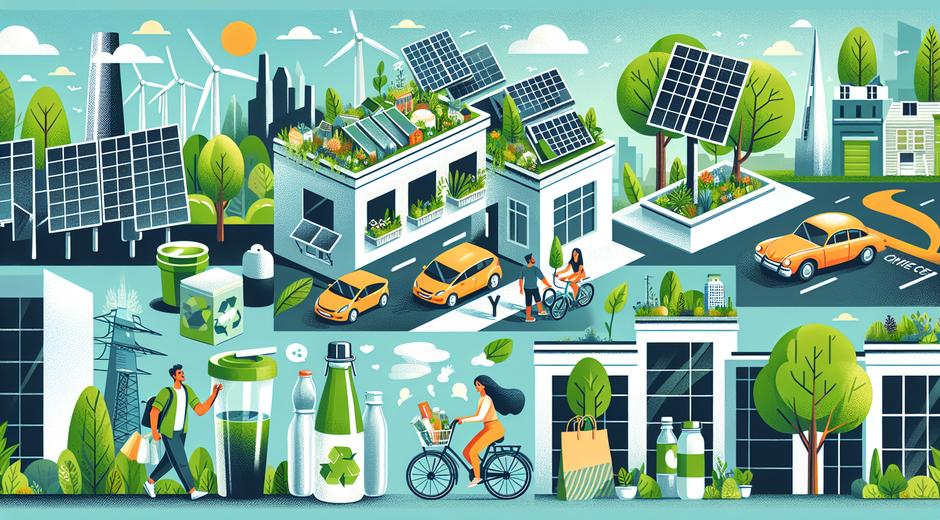
One of the fastest paths to environmental impact reduction is improving energy efficiency across buildings industry and transport. Simple measures such as upgrading lighting improving insulation and optimizing industrial processes can cut energy demand significantly. Coupling efficiency with a shift to renewable energy sources like wind solar and modern hydropower reduces greenhouse gas emissions and local pollution.
Investing in grid modernization energy storage and smart systems helps integrate variable renewable supply and improves reliability. For businesses adopting energy efficiency measures often pays back through lower utility bills and reduced exposure to fuel price volatility while contributing to corporate sustainability targets.
Promote Sustainable Transport and Urban Design
Transport is a major contributor to emissions and local air pollution. Environmental impact reduction in this sector includes expanding public transport networks encouraging active travel such as walking and cycling and supporting electrification of buses cars and freight vehicles. Urban planning that reduces travel distances and integrates mixed use neighborhoods lowers overall transport demand and improves quality of life.
Policies such as low emission zones demand side incentives and investments in charging infrastructure can accelerate adoption of cleaner transport solutions. Cities that prioritize safe public spaces and non motorized travel see improvements in health social cohesion and economic activity.
Adopt Circular Economy Principles
Circular economy approaches aim to keep materials in use longer through reuse repair refurbishment and recycling. This reduces the need for virgin resource extraction lowers waste volumes and cuts emissions associated with production. Companies that design products for durability and ease of repair can reduce lifecycle impacts and capture new value streams from secondary markets.
Consumers can support environmental impact reduction by choosing products with clear information on materials reparability and end of life options. Community reuse centers take back programs and advances in materials recovery technology all help scale circular models across sectors.
Protect and Restore Natural Systems
Preserving forests wetlands grasslands and marine habitats is vital for climate mitigation biodiversity and human wellbeing. Natural systems store carbon regulate water cycles and provide habitat for species that support food production. Environmental impact reduction includes preventing deforestation supporting sustainable land use practices and investing in ecosystem restoration projects.
Local communities often hold deep knowledge about sustainable resource management. Integrating traditional practices with scientific monitoring can deliver effective conservation outcomes while supporting livelihoods. Financing mechanisms such as payments for ecosystem services community based tourism and sustainable agriculture premiums encourage stewardship of natural assets.
Encourage Sustainable Agriculture and Food Systems
Agriculture plays a central role in both contributing to and solving environmental challenges. Environmental impact reduction in food systems involves practices that increase productivity while reducing emissions nutrient runoff and soil degradation. Agro ecological approaches precision farming and regenerative practices such as cover cropping and reduced tillage improve soil health biodiversity and resilience to extreme weather.
Reducing food loss and waste across supply chains lowers the overall footprint of food production. Consumers can support these goals by choosing seasonal locally produced food and by reducing meat consumption where appropriate. Public policy that supports small scale producers infrastructure and fair market access also strengthens food system sustainability.
Corporate Governance and Policy Measures
Meaningful environmental impact reduction often requires coherent policy frameworks and corporate leadership. Governments can set clear targets implement pricing mechanisms for pollution and provide incentives for clean technology deployment. Regulations on product standards reporting and procurement can shift markets toward lower impact options.
Companies that embed environmental impact reduction into governance and decision making enhance brand value investor confidence and long term viability. Transparent reporting science based targets and third party verification build credibility and enable stakeholders to track progress.
Measuring Progress and Using Data
Accurate measurement is essential for effective environmental impact reduction. Metrics such as carbon emissions resource intensity water use and biodiversity indicators allow organizations and governments to set priorities and allocate resources. Advances in remote sensing data analytics and environmental accounting make monitoring more accessible and cost effective.
Stakeholders should focus on meaningful metrics that reflect actual impact and avoid green claims without evidence. Regular reporting and public disclosure create accountability and help align actions with global goals such as climate resilience and biodiversity conservation.
How Individuals Can Contribute
Environmental impact reduction is a collective effort and individuals have an important role. Simple actions add up. Reducing energy use at home choosing sustainable transport options supporting responsible businesses and participating in local conservation projects all contribute to larger system change. Civic engagement by voting supporting policies and holding leaders accountable helps ensure that public investments align with sustainability objectives.
For readers seeking practical tools and inspiring stories about communities and innovators working on environmental impact reduction consider exploring curated resources and updates available at Ecoglobalo.com. Learning from diverse examples helps scale solutions faster and adapt them to local contexts.
Conclusion
Environmental impact reduction is both an urgent necessity and an achievable goal when actions are well targeted and inclusive. Combining energy efficiency clean energy sustainable transport circular economy practices ecosystem protection and sound governance creates a pathway to a resilient future. By measuring progress and sharing knowledge across sectors citizens and leaders can create long term benefits for people and planet. The choices we make today influence the world we leave for tomorrow and by prioritizing environmental impact reduction we invest in a stable prosperous and just future.