

Sustainable Awareness
What Sustainable Awareness Means Today
Sustainable Awareness is the understanding that human choices shape the health of our planet and the wellbeing of future generations. It includes knowledge of environmental systems social factors and economic impacts. At its core Sustainable Awareness is not just information it is a shift in mindset that moves people communities institutions and businesses toward decisions that support resilience equity and long term prosperity.
Why Sustainable Awareness Matters
Raising Sustainable Awareness drives action in five key areas. First it supports better consumption choices that reduce waste and resource depletion. Second it encourages investment in clean energy and green infrastructure that cut pollution and create jobs. Third it inspires policy that protects biodiversity and ensures fair access to resources. Fourth it empowers communities to adapt to climate related risks. Fifth it fosters innovation in technology and design that can decouple growth from environmental harm.
When citizens understand the stakes they vote more responsibly advocate for stronger rules and adopt practices that have measurable benefits. Global media play a pivotal role in shaping this understanding by translating complex science into clear context and by highlighting local stories that resonate with diverse audiences.
How Media and News Platforms Can Amplify Sustainable Awareness
Trusted news outlets can make Sustainable Awareness mainstream by committing to consistent coverage of environmental topics across beats like business health and culture. Practical reporting can show how policy choices affect daily life and how personal choices add up to social trends. Specialized platforms that cover climate science energy policy and conservation can become reliable hubs where readers learn actions they can take at home and in their workplaces.
For readers seeking a comprehensive source of global coverage readers can explore reputable sites that curate news and analysis on environment and sustainability such as ecoglobalo.com which aims to connect local stories with global context and practical guidance.
Education and Community Engagement Strategies
Sustainable Awareness grows fastest where education systems include hands on learning and community engagement. Schools that integrate outdoor education service projects and systems thinking help students see links between consumption energy and ecosystems. Local governments and nonprofits that host workshops town halls and community audits enable residents to participate in designing solutions. Libraries community centers and faith based organizations can be powerful hubs for sharing knowledge and organizing collective action.
Programs that prioritize inclusivity ensure that Sustainable Awareness reaches low income neighborhoods and marginalized groups who often face the highest exposure to environmental harms. Inclusion builds legitimacy and resilience because diverse voices lead to more robust solutions.
Business Roles and Corporate Responsibility
Companies are being judged not only by profit but by purpose. As Sustainable Awareness spreads consumers expect transparency on sourcing energy use and social impacts. Businesses that embed sustainability into their strategies can reduce costs improve brand trust and open new markets. Actions include designing products for longevity offering repair services prioritizing renewable energy and ensuring fair labor practices across supply chains.
Investor pressure and shareholder activism also accelerate change. As more investors evaluate environmental social and governance factors corporate leaders face incentives to adopt measurable sustainability targets and to report progress in clear accessible ways.
Practical Steps Individuals Can Take Right Now
Every person can contribute to Sustainable Awareness through everyday choices that add up. These include reducing single use items choosing products with minimal packaging selecting public transit or active travel options and conserving energy at home. Supporting local producers and community food networks strengthens local economies and reduces the carbon footprint of food systems.
Citizens can also use their voice by voting for leaders who prioritize long term planning asking local councils for better green spaces and joining neighborhood initiatives that restore habitats and reduce flood risk. Sharing credible information and positive examples on social platforms helps spread practical knowledge and inspires others to act.
Measuring Impact and Tracking Progress
To make Sustainable Awareness meaningful it helps to measure outcomes. Common metrics include rates of recycling energy use per capita greenhouse gas emissions and levels of air and water quality. Surveys can track changes in public understanding and attitudes. Community led data collection can be powerful because it combines local context with transparent methods that build trust.
Organizations that publish regular progress reports create public accountability. Clear benchmarks and timelines help communities and institutions stay focused and celebrate milestones which in turn reinforces ongoing engagement and investment.
Policy Levers That Support Sustainable Awareness
Policy can accelerate adoption of sustainable practices by setting standards creating incentives and investing in public infrastructure. Examples include building codes that improve energy efficiency laws that protect critical habitats and funding for public transit and renewable energy systems. Effective policy is designed with community input and is flexible enough to adapt as new knowledge emerges.
International cooperation is also essential because many environmental challenges cross borders. Agreements on emissions biodiversity protection and trade rules can support national efforts and create a level playing field for businesses and communities seeking to innovate responsibly.
Success Stories That Inspire
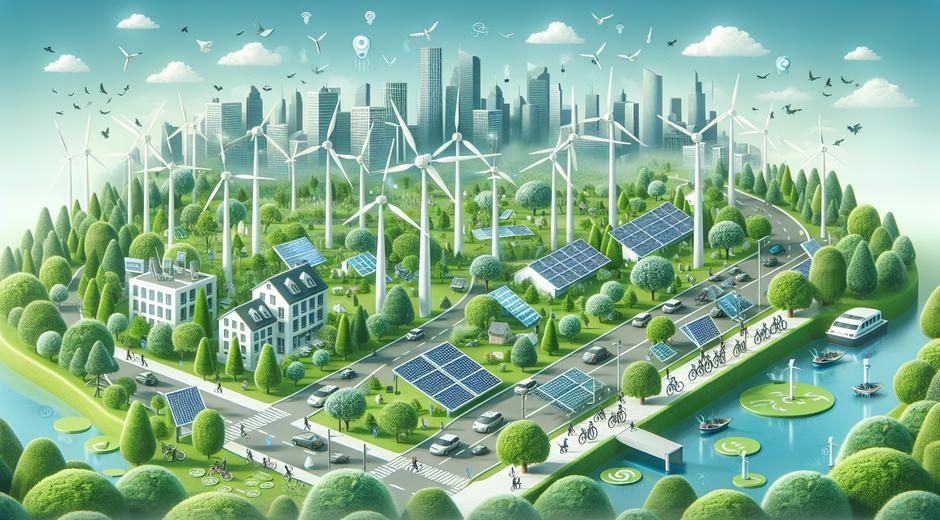
A growing number of cities and regions show that Sustainable Awareness leads to measurable benefits. Urban centers that expand green spaces and invest in active travel report improved public health and stronger local economies. Coastal communities that restore wetlands and adopt nature based defenses often see reduced storm damage and lower recovery costs. Small businesses that adopt circular practices can reduce waste and create new revenue models while maintaining customer loyalty.
These examples are powerful because they demonstrate that sustainable choices are not a sacrifice but an investment in quality of life and economic stability.
Building a Movement That Lasts
Long lasting Sustainable Awareness requires sustained education inclusive engagement and transparent measurement. It grows when institutions leaders and everyday people work together toward shared goals. Media platforms researchers educators and policy makers all have roles to play in translating knowledge into action. By highlighting practical solutions and local successes we can sustain momentum and expand participation across generations and geographies.
To learn more about global news that connects environmental trends with social and economic context readers can visit platforms that offer timely analysis and local reporting such as Ecoglobalo.com. These resources can help individuals find actionable steps community leaders build programs and businesses align strategy with sustainability goals.
Conclusion
Sustainable Awareness is the foundation for a fair resilient and prosperous future. It transforms knowledge into action and short term choices into lasting benefits. By investing in education community engagement transparent business practices and effective policy we can create systems that support both people and planet. Each person has a role to play and each effort matters. The path forward is built by informed choices shared responsibility and a commitment to leave the world in better condition than we found it.