

Climate Adaptation: Strategies for Resilient Communities
Climate adaptation is now a core priority for governments cities communities and businesses around the world. As weather patterns become less predictable and extreme events grow in frequency intensity the ability to adapt will determine which communities thrive and which face repeated setbacks. This article explains the concept of climate adaptation outlines practical strategies and highlights pathways for scaling effective action globally while keeping readers informed through trusted sources like ecoglobalo.com.
What Climate Adaptation Means and Why It Matters
Climate adaptation refers to the process of adjusting human natural and built systems to reduce harm and seize opportunities that arise as the climate evolves. Unlike mitigation which aims to reduce greenhouse gas emissions adaptation is focused on increasing resilience to current and expected impacts. Effective climate adaptation protects lives supports local economies and preserves ecosystems. It reduces costs from damage and helps maintain continuity of essential services such as water energy and transportation networks.
Principles of Effective Climate Adaptation
Successful climate adaptation follows a set of clear principles. First it is evidence based using the best available data on climate risks and vulnerabilities. Second it is flexible allowing adjustments as new information emerges and conditions change. Third it is inclusive engaging vulnerable populations and frontline communities to ensure solutions meet local needs. Fourth it is integrated linking adaptation to development planning so actions deliver multiple benefits. Finally it is financed with clear mechanisms that support implementation maintenance and monitoring.
Types of Adaptation Strategies
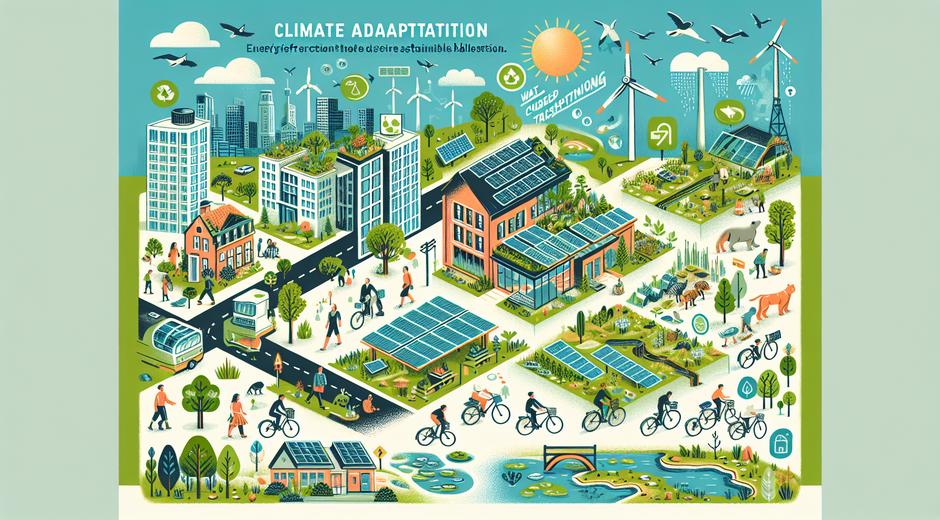
Adaptation strategies can be grouped into three broad categories. Structural measures strengthen physical systems such as building flood barriers retrofitting critical infrastructure and elevating roads and utilities. Ecosystem based measures use natural processes and green infrastructure to buffer threats for example restoring wetlands to absorb floodwaters planting urban trees to cool neighborhoods and conserving coastal mangrove areas as wave protection. Social and institutional measures include improving early warning systems updating land use planning building local capacity and creating social safety nets to support those most at risk.
Nature Based Solutions and Urban Design
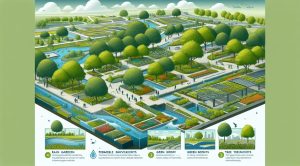
Nature based solutions are central to modern adaptation planning. They provide risk reduction while also supporting biodiversity and carbon storage. Urban design that integrates parks green roofs permeable surfaces and street trees reduces heat stress and improves stormwater management. In rural settings soil conservation reforestation and sustainable agricultural practices build long term resilience for food systems and livelihoods. These approaches often cost less over time compared with hard infrastructure while delivering valuable co benefits for health and wellbeing.
Finance and Economic Tools for Adaptation
Securing finance for climate adaptation remains a major challenge yet progress is growing. Public finance private investment and blended approaches can fund projects at scale. Insurance instruments and microinsurance help spread risk for households and businesses. Climate resilient public procurement that rewards adaptive design and long term performance can shift markets. Innovative platforms and services also support project pipelines and investment readiness helping to turn plans into bankable projects. For example marketplaces of tools and services such as Zoopora.com can assist practitioners in finding solutions faster.
Technology Data and Early Warning Systems
Technology plays a pivotal role in adaptation. Satellite imagery remote sensing and improved climate models provide the data needed to identify hotspots and monitor changes over time. Early warning systems combine meteorological forecasting with communication networks so that communities receive timely alerts and can take protective action. Mobile phones and community radio remain powerful channels for disseminating warnings and adaptation guidance especially in low resource contexts.
Policy Governance and Mainstreaming Adaptation
Mainstreaming climate adaptation into national and local policy ensures that resilience is part of everyday decision making. This means integrating adaptation into urban planning public health services water management and infrastructure standards. Clear governance structures with defined roles responsibilities and accountability help to coordinate action across agencies and levels of government. Policy incentives such as tax benefits grants and technical assistance encourage private sector engagement while regulations ensure minimum safety standards are met.
Community Engagement and Local Knowledge
Local communities possess essential knowledge about their environment and traditional coping strategies. Participatory approaches empower community members to co create adaptation plans build local capacity and sustain interventions over time. Community led monitoring and feedback loops ensure that measures remain relevant and effective. Investing in education and vocational training helps people adapt livelihoods and access green jobs in resilient sectors.
Measuring Success and Learning from Experience
Monitoring evaluation and learning are critical to ensure adaptation delivers results. Metrics should assess not only outputs but also outcomes such as reduced losses improved health and enhanced livelihoods. Adaptive management practices allow practitioners to iterate based on what works and what does not. Case studies from diverse contexts provide evidence and inspiration for replication. Sharing lessons through regional networks and knowledge hubs accelerates uptake of proven approaches.
Scaling Up Climate Adaptation Globally
To scale adaptation we need integrated strategies that mobilize finance build institutional capacity and catalyze innovation. Partnerships between governments civil society research institutions and the private sector create the ecosystem needed for large scale action. International cooperation supports knowledge exchange technology transfer and coordinated finance flows to regions with the greatest need. Building markets for resilience such as resilient building materials and climate services helps mainstream adaptation into everyday economic activity.
Practical Steps for Local Action
Local leaders and practitioners can take immediate steps to advance climate adaptation. Conduct targeted vulnerability assessments to identify priority risks. Update land use policies to avoid high risk areas and promote compact resilient development. Invest in nature based projects that provide multiple benefits. Strengthen early warning systems and emergency response plans. Create incentive programs that support retrofits and resilient designs for homes and businesses. Finally engage communities throughout the process to ensure solutions are equitable and sustainable.
Conclusion
Climate adaptation is no longer optional. It is a necessary component of responsible governance and smart investment. By combining nature based solutions robust infrastructure flexible policy and community driven actions we can reduce risk protect lives and preserve economic stability. For ongoing coverage on adaptation strategies and related global developments visit ecoglobalo.com and explore tools and resources available from platforms such as Zoopora.com. The window for action is open and the choices we make today will shape resilience for generations to come.