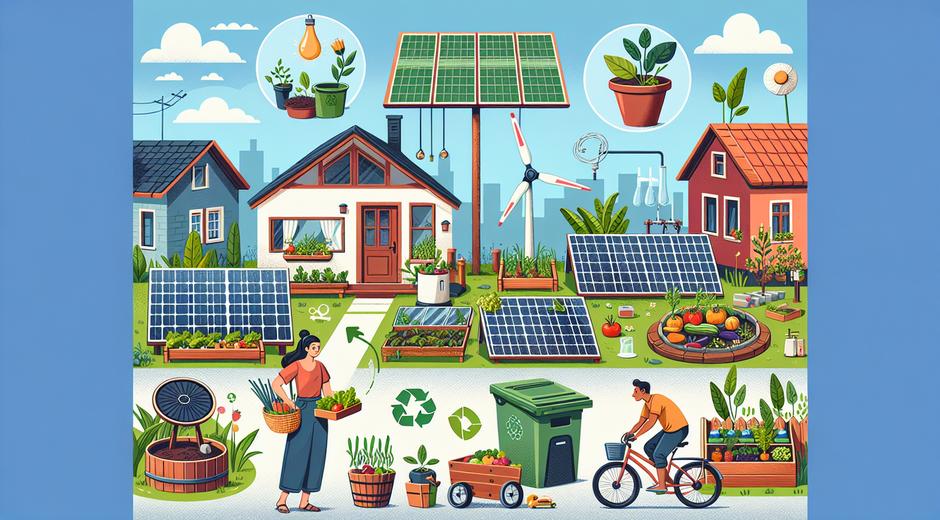


Climate Mitigation Strategies for a Sustainable Future
Why Climate Mitigation Matters
Climate mitigation refers to proactive actions taken to reduce the magnitude and rate of global warming by limiting emissions of greenhouse gas and by enhancing activities that remove these gases from the atmosphere. As global temperatures rise, the urgency to implement climate mitigation has become a central focus for governments businesses communities and civil society. Effective climate mitigation lowers long term risk for ecosystems economies and human health while creating pathways for cleaner energy and resilient infrastructure.
Climate mitigation is not an abstract policy concept. It translates into concrete measures such as transforming energy systems protecting and restoring forests improving agricultural practices and deploying technology that captures and stores carbon. Each of these measures contributes to lowering the concentration of greenhouse gas in the atmosphere and helps avoid the most severe impacts of climate change.
Core Approaches to Climate Mitigation
There are several core approaches that together form a robust climate mitigation strategy. These include emissions reduction by switching to renewable energy and increasing energy efficiency natural climate solutions such as reforestation and wetland restoration and technological innovations like carbon capture and storage. Policies that support these approaches range from incentives and subsidies to regulation and carbon pricing.
Energy transformation is central to mitigation. Shifting from fossil fuel based electricity and transportation to renewable sources such as solar wind and modern hydroelectric systems reduces emissions at scale. Energy efficiency in buildings industry and transport complements this shift by lowering total energy demand through better design smarter appliances and intelligent systems.
Natural climate solutions harness the capacity of ecosystems to absorb and store carbon. Protecting forests restoring degraded land restoring peat lands and promoting sustainable coastal management deliver both carbon benefits and biodiversity gains. These nature based solutions offer cost effective options that also support local livelihoods.
Technological innovation provides tools to address emissions that are hard to remove through other means. Carbon capture and storage and emerging negative emissions technologies can play a role in scenarios where rapid decarbonization alone does not suffice. However technology must be paired with strong governance to ensure safe implementation and equitable outcomes.
Policy Instruments That Drive Climate Mitigation
Effective climate mitigation requires policy instruments that align economic incentives with environmental goals. Carbon pricing is one prominent tool. By assigning a cost to emissions policymakers encourage businesses and consumers to choose lower emission options. Complementary measures such as standards for vehicle emissions and building codes ensure minimum performance levels across sectors.
Public investment in infrastructure and research helps scale promising mitigation solutions. Investments in public transit networks smart grids and energy storage increase resilience and enable higher shares of variable renewable energy. Support for research and development accelerates breakthroughs in low carbon industrial processes materials and agricultural practices.
International cooperation amplifies national action. Climate mitigation is a global public good meaning that cooperative agreements and finance mechanisms can help ensure that mitigation occurs where it is most cost effective. Mechanisms to transfer technology and finance can support developing countries in pursuing low carbon development pathways while addressing poverty reduction goals.
Role of Business and Finance in Climate Mitigation
Private enterprise and financial institutions have a crucial role to play. Corporations can reduce their operational emissions commit to science based targets and redesign supply chains to be more sustainable. Investors can direct capital toward climate friendly projects and away from assets that lock in high emissions for decades.
Corporate engagement with climate mitigation also creates market opportunities. Clean energy markets are expanding rapidly and sustainable product lines appeal to an increasingly informed consumer base. For businesses seeking guidance on corporate strategy and best practice there are resource hubs that aggregate case studies research and tools which help translate mitigation ambition into action. One such resource for business leaders is BusinessForumHub.com which provides insights on sustainable business models and market trends that support climate mitigation efforts.
Community Action and Local Solutions
While national policies and global finance set the stage local communities deliver implementation. Cities and municipalities control land use transport systems and building standards and are therefore powerful actors for mitigation. Urban planning that prioritizes compact development mixed use neighborhoods and accessible public transport reduces reliance on private vehicles and lowers emissions.
Community led programs in agriculture and forestry can scale practices such as agroforestry conservation agriculture and community managed forests. These approaches increase carbon storage while improving food security and resilience to climate variability. Engaging indigenous knowledge and local stakeholders ensures that mitigation benefits are distributed fairly and that cultural values are respected.
Public awareness and education are equally important. When individuals understand the options available to them in mobility consumption and energy use they are better positioned to make low carbon choices. Media outlets and information platforms play a critical role in shaping public debate and mobilizing collective action. Readers can find timely reporting and analysis on climate mitigation developments at trusted news sources such as ecoglobalo.com which curates global coverage across policy technology and community initiatives.
Measuring Progress and Ensuring Accountability
Robust measurement and reporting frameworks are essential for tracking progress in climate mitigation. Transparent data on emissions sources sinks and removals enables policymakers businesses and civil society to understand what is working and where more effort is needed. Standardized reporting frameworks and independent verification increase credibility and build trust among stakeholders.
Targets must be ambitious yet achievable. Science based targets tied to climate models provide a clear benchmark against which to measure progress. Short term milestones help maintain momentum while long term goals such as achieving a deep reduction in emissions provide direction for systemic transformation.
Accountability also involves just transition planning. Workers and communities affected by shifts away from fossil fuel based industries require support through retraining social protection and economic diversification. Designing mitigation policies with social equity in mind prevents exacerbation of inequality and fosters broader public support.
Challenges and Opportunities Ahead
Climate mitigation faces numerous challenges including entrenched investment in carbon intensive infrastructure political resistance and misinformation. Overcoming these obstacles demands persistent policy effort public private collaboration and grassroots engagement. Yet there are also unprecedented opportunities. The falling cost of renewable energy the growth in electric mobility and advances in energy storage create pathways for rapid mitigation.
Innovation in finance such as green bonds blended finance and outcome based financing unlock resources for projects that deliver both climate and development outcomes. Digital tools provide new capabilities for monitoring emissions improving efficiency and engaging citizens. When aligned with inclusive governance these innovations can accelerate global progress.
How Individuals Can Contribute
Individual choices matter collectively. Simple actions such as improving home energy efficiency choosing low carbon transport options and reducing food waste contribute to broader mitigation efforts. Civic participation through voting public consultations and community projects amplifies impact by shaping policy and supporting local implementation.
Supporting organizations that advocate for strong climate mitigation and holding businesses and leaders to account creates a culture of responsibility. Education and dialogue help spread best practice and mobilize action across social networks.
Conclusion
Climate mitigation is an essential component of a broader strategy to secure a sustainable equitable and prosperous future. It requires a combination of policy ambition technological innovation community engagement and private sector leadership. By prioritizing emissions reductions natural climate solutions and resilient infrastructure society can limit warming protect biodiversity and foster economic opportunity.
Staying informed and involved helps ensure that mitigation efforts remain robust transparent and inclusive. For curated news analysis and practical resources on climate mitigation trends visit trusted platforms like ecoglobalo.com and explore business focused guidance at BusinessForumHub.com. Together policy makers businesses communities and individuals can drive the actions needed to meet the scale of the challenge and to build a stable climate future for all.