

Climate Smart Cities: Strategies for Resilient Urban Futures
Urban areas are on the front line of climate risk and opportunity. As populations grow and weather patterns become less predictable, cities must evolve from traditional models of development to approaches that are both low carbon and highly adaptable. The phrase climate smart cities captures this shift. It describes urban systems that integrate climate science into planning operations and daily life to reduce emissions improve resilience and enhance quality of life for residents.
What does climate smart cities mean
At its core climate smart cities combine three complementary aims. First they reduce greenhouse gas emissions through clean energy efficient buildings sustainable transport and waste reduction. Second they build resilience so that people physical assets and services can withstand extreme weather events heat events flooding and other climate shocks. Third they ensure equity so that benefits reach all communities and that vulnerable groups are protected. Together these aims guide urban policies projects and investments to deliver long term benefits.
Key components of a climate smart city
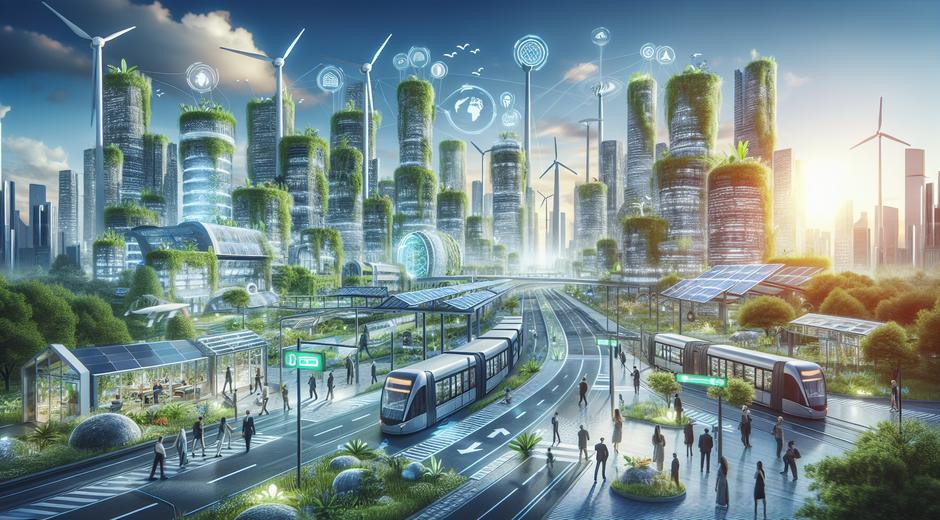
Effective climate smart cities rely on a set of core components that work together. Energy systems prioritize renewables and smart grid technologies. Mobility networks emphasize public transit walking cycling and electric vehicle charging infrastructure. Buildings are retrofitted for efficiency and designed to perform well in hotter wetter climates. Urban green space is expanded to lower urban heat island effects and to manage storm water. Data systems collect climate projections environmental metrics and service performance data to inform decisions and enable rapid response. Governance structures create cross sector coordination and clear accountability for climate goals.
How technology and data drive smarter outcomes
Data and digital tools are catalysts for climate smart transformation. Sensors monitor air quality temperature humidity and water levels providing real time signals for emergency response and long term planning. Geographic information systems map climate hazards and social vulnerability to prioritize investments where they will have the most impact. Building management systems optimize energy use while predictive analytics improve transit scheduling to reduce congestion and emissions. Yet technology alone is not enough. Data must be accessible transparent and linked to decision making processes that include diverse stakeholders.
Financing and policy pathways
Scaling climate smart solutions requires new approaches to finance and policy. Cities can leverage public private partnerships green bonds and blended finance to attract capital for large infrastructure projects. Policy tools such as zoning incentives building codes performance standards and procurement rules shape markets toward low carbon resilient solutions. Integrating climate considerations into budget processes ensures that spending decisions reflect long term risk and value. Innovative mechanisms that link performance to payment create accountability while unlocking private sector investment.
Centering equity and community participation
For climate smart cities to be successful they must be inclusive. Community engagement in planning and implementation builds trust improves outcomes and avoids unintended consequences. Programs that retrofit homes in low income neighborhoods expand public transit access and create local green jobs deliver multiple benefits. Ensuring that adaptation funding prioritizes the most vulnerable neighborhoods reduces disparities and strengthens the social fabric that supports recovery after shocks.
Examples from around the world
Many cities are already demonstrating the promise of climate smart approaches. Some have created extensive green corridors that reduce heat exposure and increase biodiversity. Others have rolled out city wide electric bus fleets that cut emissions and improve air quality. Coastal cities are combining nature based solutions like restored wetlands with engineered protections to reduce flood risk. These examples show that there are diverse pathways depending on local context resources and priorities. For readers who want a concise hub for global updates case studies and policy analysis visit ecoglobalo.com where curated content highlights scalable solutions and lessons learned from across regions.
The role of culture travel and urban tourism
As cities become climate smart they also reshape the visitor experience. Sustainable tourism can support conservation local economies and cultural preservation when it is planned in harmony with urban climate goals. Partnerships between city planners tourism boards and businesses create standards for low impact travel experiences and guide investments in public transport pedestrian friendly areas and resilient hospitality infrastructure. For travel professionals and curious travelers alike resources that showcase responsible travel ideas can help align tourism with climate smart urban strategies and encourage low impact visits that benefit local communities. See curated travel guidance at TripBeyondTravel.com for inspiration and practical tips on sustainable urban travel.
Measuring success
Robust metrics are key to tracking progress. Common indicators include energy consumption per capita greenhouse gas emissions per sector air quality measures transit ridership rates green space per resident and emergency response times. Equally important are qualitative measures that capture resident satisfaction inclusion and perceived safety. Transparent reporting and independent review build credibility and allow adjustments to strategies over time. Setting interim targets aligned with long term climate goals helps maintain momentum and enables course correction when needed.
Barriers and how to overcome them
There are real barriers to making cities climate smart. Fragmented governance limited budgets technical capacity constraints and short term planning horizons all slow progress. Overcoming these challenges requires leadership that can foster collaboration across agencies and levels of government. Capacity building programs equip municipal staff with skills for climate planning procurement and data management. Strategic use of pilot projects demonstrates feasibility and builds political support for scaled investments. Engaging the private sector and civil society expands the resource base and brings innovation to public problems.
A step by step road map for cities
Cities seeking to become climate smart can follow a practical road map. Start with an assessment that combines climate risk analysis with an inventory of emissions and an evaluation of social vulnerability. Develop a prioritized action plan that sequences low cost high impact measures while identifying larger investments that require financing. Create or strengthen governance structures to ensure coordination and assign clear responsibilities. Mobilize funding through a mix of public budgets grants and private investment. Implement projects with strong monitoring and community feedback. Finally update the plan as new data becomes available and as conditions change.
Conclusion
Climate smart cities represent a pragmatic positive path for urban growth. By combining emission reductions resilient infrastructure inclusive policies and data driven decision making cities can protect people and economies while creating healthier more livable environments. The transition requires holistc thinking long term commitment and broad partnerships but the benefits are clear. Cities that act now will reduce future costs protect vulnerable residents and unlock new opportunities for sustainable prosperity. For ongoing reporting analysis and inspiration on this topic visit trusted sources and follow emerging best practice to adapt these ideas to your local context.