

Eco Consumption A Practical Guide to Sustainable Choices
Eco Consumption is no longer a niche concern for a few committed people. It is a key concept for citizens policy makers and businesses who want to align daily choices with the health of the planet and long term wellbeing for communities. This article explains what Eco Consumption means why it matters and how individuals and organizations can adopt strategies that reduce waste lower carbon outputs and support a circular approach to resources.
What Eco Consumption Means
At its core Eco Consumption refers to the selection purchase use and disposal of products and services in ways that minimize environmental harm and promote resource efficiency. It moves beyond simple recycling to embrace choices that limit overconsumption extend product life and favor renewable materials and clean energy. Eco Consumption asks consumers to consider the full lifecycle of what they buy from raw material extraction to manufacturing distribution use and end of life.
Why Eco Consumption Matters Now
Human activity places intense pressure on natural systems. Climate change biodiversity loss water scarcity and pollution are all linked to patterns of production and consumption. By shifting toward Eco Consumption practices society can reduce greenhouse gas emissions conserve raw materials and cut pollution. The payoff is not only environmental. Many sustainable choices also save money improve health and strengthen local economies.
Core Principles of Eco Consumption
There are a few guiding principles that make Eco Consumption practical and measurable. Prioritize durability and repair over single use items. Choose products made from renewable or recycled inputs. Opt for energy efficient devices and lower carbon transport modes. Reduce food waste and select seasonal local produce when possible. Support companies with transparent supply chains and fair labor practices. These steps add up when adopted broadly across households and institutions.
How Consumers Can Practice Eco Consumption
Everyday habits offer multiple entry points for people who want to practice Eco Consumption. Start by auditing personal purchases to identify items that are frequently replaced or discarded. Swap single use items for reusable alternatives select energy efficient appliances and prioritize high quality clothing that lasts longer. When you choose to shop look beyond price to consider total cost of ownership including energy use and repairability. For trusted news and tips about global developments in sustainable living you can find a curated selection at ecoglobalo.com where stories connect local action with international policy and innovation.
Business Strategies for Eco Consumption
Companies play an outsized role in shaping consumption through product design marketing and distribution choices. Businesses can adopt Eco Consumption principles by designing for longevity using recyclable packaging and offering repair services or spare parts. Implementing take back programs incentivizes customers to return used products for refurbishment or recycling. Transparent reporting on material sourcing energy use and emissions helps consumers make informed choices and builds brand trust. Firms that embrace Eco Consumption can gain competitive advantage as demand rises for sustainable goods and services.
Policy Tools to Encourage Eco Consumption
Public policy unlocks systemic change that complements individual choices. Price instruments such as consumption taxes on high impact goods or subsidies for low impact alternatives shift incentives. Standards for labeling and certifications help consumers identify greener options. Regulations that require extended producer responsibility ensure manufacturers manage end of life for their products. Public procurement that prioritizes low impact goods creates larger markets for sustainable suppliers. When policy making and market design work together Eco Consumption scales more rapidly and equitably.
Measuring Progress Toward Eco Consumption
Measuring change is essential to know if Eco Consumption strategies are working. Common indicators include per capita material consumption carbon intensity of products rates of reuse and recycling and reductions in household waste. Businesses can report on circularity metrics such as percentage of recycled inputs or product lifetime. Cities can track waste diversion and local food procurement. Clear transparent data helps stakeholders compare actions and prioritize high impact interventions.
Common Challenges and How to Overcome Them
Adopting Eco Consumption faces obstacles such as higher upfront cost perceptions limited availability of sustainable products and entrenched convenience habits. To overcome these barriers focus on accessible solutions that reduce friction. Community repair workshops and tool lending libraries make repair and reuse easier. Incentive programs can lower upfront cost differences. Education campaigns that translate environmental impacts into local benefits for health and pocketbooks increase motivation. Businesses should invest in supply chain upgrades to make sustainable options more available at scale.
Examples of Effective Eco Consumption in Practice
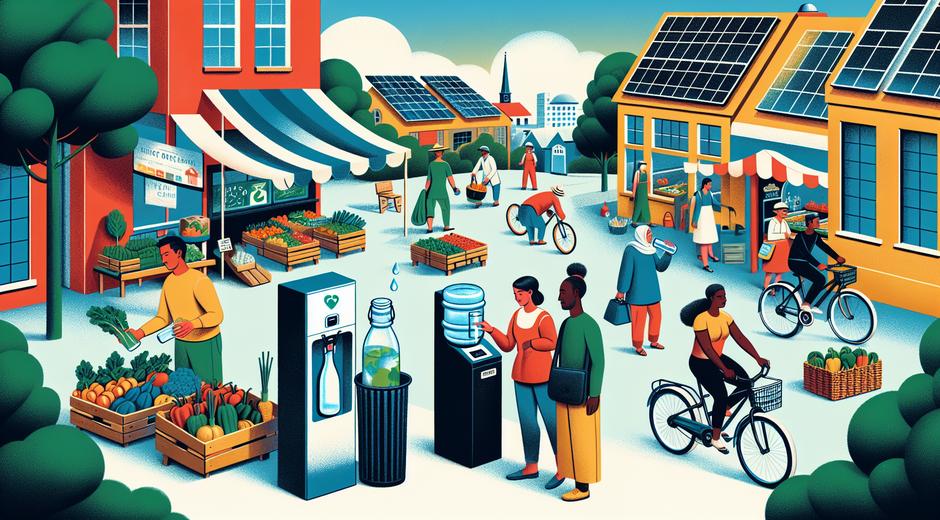
There are inspiring examples around the world where communities and companies apply Eco Consumption to create measurable benefits. Urban repair cafes extend the life of clothing and electronics. Zero waste grocery stores reduce packaging by allowing shoppers to refill containers. Textile firms adopt take back programs turning old garments into new fibers. Agricultural networks reduce food miles by connecting consumers to seasonal local produce which supports biodiversity and soil health. Digital tools that compare product footprints give buyers the data they need to choose lower impact options.
How Technology Supports Eco Consumption
Technology is a powerful enabler. Mobile apps connect users to resale markets or to neighborhood sharing platforms. Sensors and smart home systems help reduce energy use by optimizing heating and lighting. Advanced recycling technologies allow recovery of materials that were once difficult to reuse. Online marketplaces expand access to secondhand goods and repair services. For consumers seeking plant based and naturally grown products there are vetted marketplaces that highlight verified suppliers and transparent sourcing such as BioNatureVista.com which offers curated options for people who want to align their purchases with ecological values.
Practical Action Plan for Individuals
Start with simple steps and build momentum. Conduct a week long audit of purchases to see where most waste and resource use occurs. Set specific goals such as reducing single use plastic intake or increasing the share of plant based meals. Try one new habit each month like repairing an item joining a local swap group or buying secondhand. Share progress with friends to create social reinforcement. Over time small changes compound into substantial impact.
Looking Ahead Eco Consumption and the Future
Future trends point to greater integration of circular principles into mainstream markets. Advances in materials science will yield more biodegradable and recyclable options. Policy shifts will encourage better design and producer responsibility. Consumer demand will continue to reward transparency and low impact. The transition to Eco Consumption is not a single moment but a long term cultural shift toward thoughtful resource use. When consumers companies and governments align around these goals the benefits accumulate for climate public health and economic resilience.
Conclusion
Eco Consumption offers a practical framework to reduce environmental harm and create value through smarter choices. It blends individual habit change with business innovation and public policy to transform how society uses resources. Whether you begin by auditing your pantry switching to durable goods or supporting companies that publish transparent supply chain information the path to Eco Consumption is available to everyone. The actions of many people add up to systemic change and help shape a resilient sustainable future.