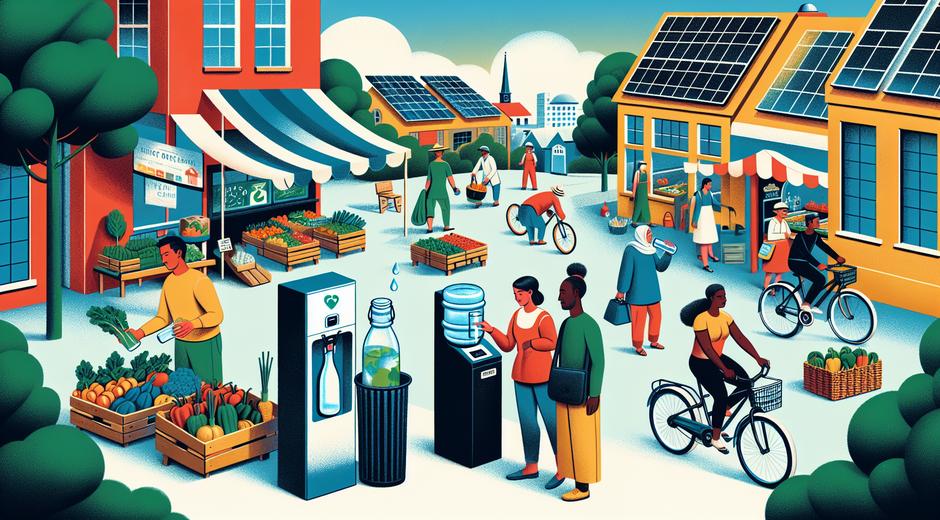


Eco Friendly Choices: Small Steps with Big Impact
Making Eco Friendly Choices is no longer a niche concern. It is a practical way to improve personal health and planetary health while often saving money. This article explores how simple daily decisions add up to major environmental benefits. It offers clear tactics for home life travel food and community engagement that any reader can adopt. For more general sustainability news and ideas visit ecoglobalo.com where ongoing coverage keeps readers informed and inspired.
Why Eco Friendly Choices Matter Now
Climate shifts resource limits and polluted air and water affect real people in real time. Choosing practices that reduce waste and limit resource use slows harmful trends and builds resilience in local communities. When many individuals shift habits policies and markets follow. This creates a feedback loop where demand for sustainable goods grows and prices fall. Making responsible choices today can protect future generations and strengthen local economies.
Eco Friendly Choices also improve quality of life. Cleaner air and water healthier food and less clutter contribute to mental and physical well being. Many sustainable practices encourage outdoor time and social connection which are essential for healthy living.
Easy Eco Friendly Choices at Home
The home is the place where small choices are easiest to sustain. Start with energy and water. Replace incandescent bulbs with LED bulbs which last longer and use far less energy. Adjust water use by installing low flow fixtures washing clothes in cold cycles and fixing leaks promptly. When it is time to replace appliances choose models with high efficiency ratings and longer warranties.
Another impactful choice is to reduce single use items. Choose reusable containers bottles and cloth shopping bags. When buying products prefer concentrated formulas that require less packaging. Composting food scraps reduces landfill waste and creates natural fertilizer for gardens. If you cannot compost at home check whether local community programs accept food scraps.
Eco Friendly Choices for Food and Shopping
Food choices have a large impact on the environment. Eating more plants and less processed food lowers emissions and reduces packaging waste. Grow herbs and vegetables in pots or small garden beds when possible. Even a single tomato plant on a balcony can reduce trips to the store and increase freshness.
Shop with intention. Buy durable items that can be repaired and avoid trends that encourage rapid disposal. Purchase from local producers when that option reduces travel and supports the local economy. Read product labels and research materials to favor natural or recycled fibers and less toxic manufacturing methods.
For people who love exploring new tastes there are resources that combine cultural flavor and sustainable choices. Check sustainable food guides for recipes and tips that use seasonal ingredients and reduce waste at mealtime. A curated resource to discover such ideas is available at TasteFlavorBook.com which pairs vibrant recipes with principles that respect the planet.
Smart Energy and Transport Choices
Transportation and home energy use are major contributors to environmental impact. Start with small changes like walking or biking for short trips using public transit when possible and combining errands to cut miles driven. Car sharing and ride pooling reduce the number of vehicles in use while encouraging efficient routes.
For home energy consider smart thermostats LED lighting and proper insulation to reduce heating and cooling demands. If you are in a position to invest consider solar panels or community based renewable energy projects. Many regions now offer financing and incentives that make such options affordable and effective over time.
How to Make Sustainable Choices Affordable
One common barrier to sustainable living is cost perception. In reality many Eco Friendly Choices save money over time. Energy efficient appliances lower utility bills reusable containers and cloth bags reduce ongoing shopping costs and repairing items extends product life span. Local libraries tool libraries and swap meets help people share resources without buying new items.
Look for incentive programs tax credits and rebates that support energy upgrades or efficient vehicle purchases. Community groups often offer bulk buying options for local produce and sustainable goods lowering unit cost. Planning purchases and delaying non essential buys reduces impulse spending and lowers wasteful consumption.
Community and Policy Actions That Amplify Individual Choices
Individual actions matter most when paired with community initiatives. Advocate for policies that expand public transit improve building codes support renewable energy and protect green spaces. Join local groups that work to plant trees create community gardens and clean local waterways. These efforts not only create broader impact but also make it easier for everyone in the community to make Eco Friendly Choices.
Engage schools workplaces and faith groups in sustainability programs. Many organizations are open to simple changes like switching to reusable dishware or offering incentives for employees who commute by bike. Collective shifts often unlock funding and partnerships that single households cannot access alone.
Measuring Impact and Staying Motivated
Tracking progress keeps motivation high. Start with simple metrics like weekly waste weight energy bills or miles driven. Set specific goals such as reducing waste by a set percent cutting energy use or growing more of your own food. Celebrate milestones and share successes with friends and neighbors to inspire them to act.
Use community platforms to swap tips and resources. Many apps and local groups help people find sustainable products track their carbon footprint or join collective campaigns. Creating a personal journey narrative can turn a list of chores into a meaningful lifestyle shift.
Common Pitfalls and How to Avoid Them
Green claims on product labels are sometimes misleading. Look for certifications from reputable organizations and check materials and supply chain transparency. Avoid buying many new items in the name of sustainability by prioritizing reuse repair and local resale markets. Balance convenience with long term impact to create routines that are realistic and durable.
Don’t expect perfection. Eco Friendly Choices are about steady improvement not instant transformation. Small consistent steps carried out by many people add up to measurable gains for health equity and biodiversity conservation.
Practical Checklist for Everyday Eco Friendly Choices
Try these actions this month to begin a lasting pattern. Replace one common disposable item with a reusable option. Reduce thermostat use by one degree for heating or cooling. Walk or bike at least one trip per week instead of driving. Try a meat free meal twice per week. Start a small compost container for food scraps. Share what you learned with one friend or neighbor.
Conclusion
Eco Friendly Choices are accessible affordable and powerful. They touch how we eat how we travel how we power our homes and how we interact with our communities. By choosing sustainable options consistently individuals influence markets policy and culture. Start today with small steps and build habits that grow into a lifestyle. If you need ongoing inspiration and updates on sustainable living practices return to ecoglobalo.com for curated content that supports a greener future.