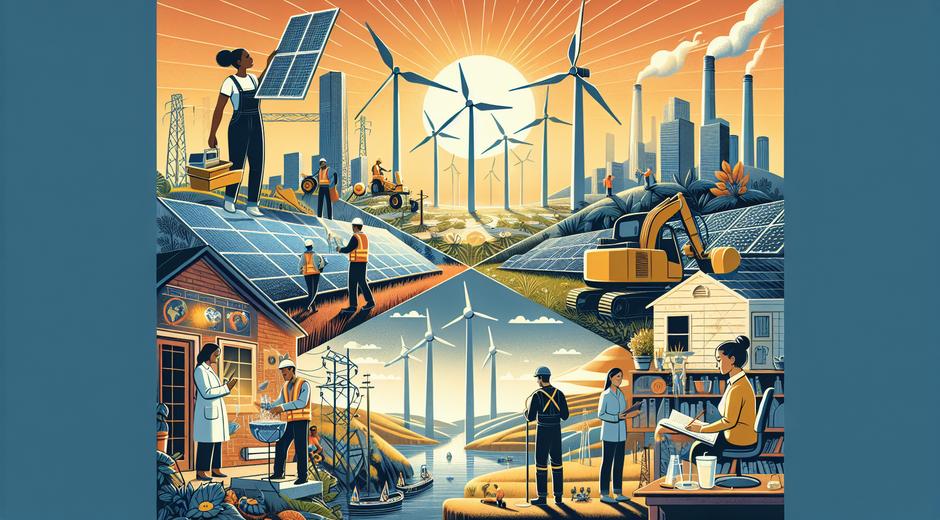


Energy Justice A Global Roadmap for Fair Clean Power
What is Energy Justice
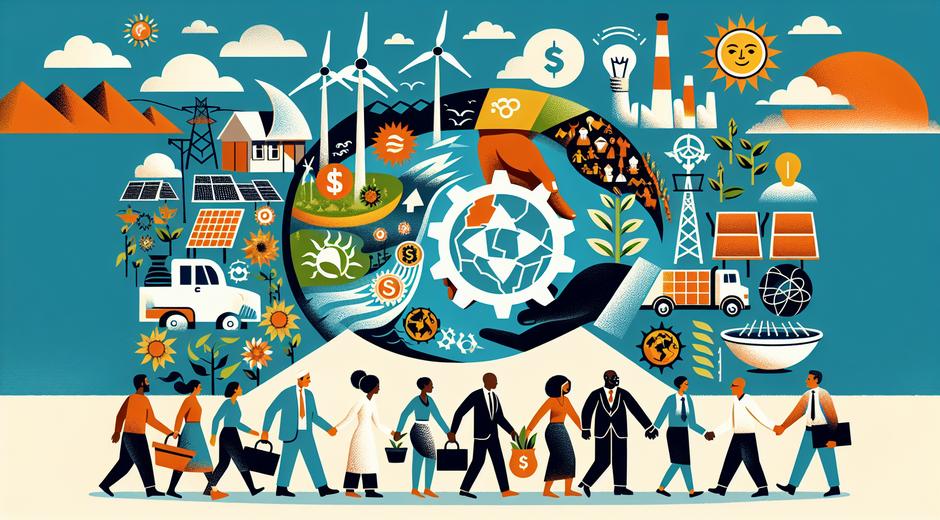
Energy Justice is a framework that places fairness at the center of energy systems and energy policy. It asks who benefits and who carries the burden when societies produce and consume energy. At its core Energy Justice seeks equitable access to affordable reliable clean power while reducing harm to people and ecosystems. For a global audience that follows climate and technology news the concept links social rights and environmental stewardship into one actionable agenda.
Why Energy Justice Matters Now
Governments and businesses are pursuing rapid clean power deployment to meet climate targets. Without clear attention to justice those changes can create new inequalities. Communities that have historically faced pollution and resource exclusion risk being left out of new economic opportunities. Energy Justice matters because it shapes who wins from innovation who is left behind and how long lasting the transition will be.
Core Principles of Energy Justice
There are a few practical principles that guide effective Energy Justice work. First equity means prioritizing access for those who lack reliable power or who face high cost burdens. Second participation means that affected communities must have a seat at the design table for new projects and policy. Third transparency means clear data and open decision processes so impacts can be monitored. Fourth accountability requires legal and institutional avenues so commitments are enforced. Finally resilience links justice to system reliability by ensuring that upgrades and investments reduce vulnerability for the most exposed places.
Common Challenges to Achieving Energy Justice
Several barriers make implementation difficult. Legacy infrastructure often locks communities into outdated and polluting energy models. Financing tends to favor large scale projects that do not serve dispersed low income or rural populations. Regulatory frameworks sometimes prioritize short term efficiency at the expense of equity. Finally public awareness is not uniform so many people miss the opportunity to shape local planning. Addressing these barriers requires creative policy design inclusive financing and strong community leadership.
Strategies to Advance Energy Justice
Practical strategies that deliver tangible results combine technology policy and finance. Community owned renewable projects can keep value within local economies while reducing pollution. Targeted subsidies and tariff reform can reduce cost burdens for households facing energy poverty. Workforce training ensures that new green jobs are accessible to residents from affected areas. Demand side measures such as efficiency and smart appliances reduce overall costs while increasing comfort. Lastly distributed resources like rooftop solar paired with storage improve resilience for small grids and remote settlements.
Policy Recommendations and Community Tools
Policymakers can accelerate Energy Justice by adopting inclusive procurement rules that favor projects with strong social benefits. Spatial planning should incorporate justice metrics in siting decisions for plants and lines. Financial tools such as revolving funds community loan guarantees and pay as you save options help bring capital to local projects. Data tools that map exposure to pollution energy costs and access gaps make it easier to prioritize action. Civil society can use those tools to monitor implementation and hold institutions accountable.
Measuring Progress and Ensuring Accountability
Measuring Energy Justice progress requires a mix of quantitative and qualitative indicators. Quantitative metrics include lines served megawatts of clean capacity installed in underserved places average energy burden and outages per household. Qualitative measures capture community satisfaction participation levels and perceived fairness of processes. Regular reporting and independent audits build trust. When agencies publish accessible dashboards citizens and advocates can track whether promises turn into outcomes.
How Media Organizations and Global Networks Can Help
Global outlets that cover climate and development play an important role by amplifying stories from communities on the frontline of energy change. News that links local experience to policy decisions helps build momentum for fair solutions. As a global news site that connects readers to developments around the world ecoglobalo.com can highlight successful case studies effective policy frameworks and emerging innovations that deliver both clean power and social inclusion.
How Individuals and Organizations Can Take Action
There are practical steps that people and organizations can take right now to advance Energy Justice. Support community owned energy projects volunteer with local advocacy groups and push for equitable provisions in municipal energy plans. Corporations can adopt procurement standards that require fair labor and local benefit. Philanthropy and impact investors can prioritize accessible financing for projects that serve low income and rural communities. Education efforts help voters and consumers understand the trade offs and opportunities in the transition. For resources on mindful leadership and focus when driving local change consider tools that help teams maintain clarity and resilience such as offerings at FocusMindFlow.com.
Case Studies That Illustrate What Works
Across the globe there are replicable examples. Community energy cooperatives combine member ownership with local jobs and lower bills. Utility programs that include targeted rebates and on bill financing expand access to efficiency upgrades for low income households. Microgrid pilots in remote communities show how clean power and storage can bypass long lead times for major grid upgrades to deliver immediate benefits. Each case highlights the value of local leadership clear financing and supportive policy design.
The Economic Case for Energy Justice
Energy Justice is not only a moral imperative it makes economic sense. Reducing energy burden increases consumer spending power and efficiency investments lower system wide costs. Inclusive workforce development expands the talent pool and reduces unemployment. Avoiding costly social conflict and litigation improves investor confidence. When policymakers evaluate projects through a wider lens that includes social return governments capture greater long term value than when they focus on narrow technical metrics alone.
A Call to Collective Action
Meeting global climate targets while ensuring fairness is one of the defining challenges of our time. Energy Justice provides the framework to deliver a transition that is both rapid and inclusive. Success requires cooperation across levels of government civil society the private sector and communities themselves. By focusing on equity participation transparency and accountability stakeholders can design solutions that reduce emissions and improve lives simultaneously.
Conclusion
Energy Justice is a guide for shaping energy systems that are clean resilient and fair. It demands that decision makers center the needs of those most affected and craft policies that leave nobody behind. With clear principles practical strategies and strong public engagement the global energy transition can become a vehicle for improved health economic opportunity and climate resilience. This is a moment to move beyond intent to measurable action and to ensure that progress reaches every community.