

Blue Economy: Unlocking Sustainable Growth from Our Oceans
The term blue economy is gaining attention across governments business leaders and civil society as a model for sustainable ocean based growth. As coastal populations rise and demand for resources grows there is new urgency to balance economic opportunity with marine conservation. This article explores what blue economy means why it matters and how stakeholders can develop practical strategies that deliver jobs income and healthier ocean ecosystems without compromising the needs of future generations.
What Is the Blue Economy
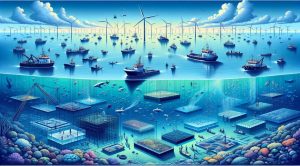
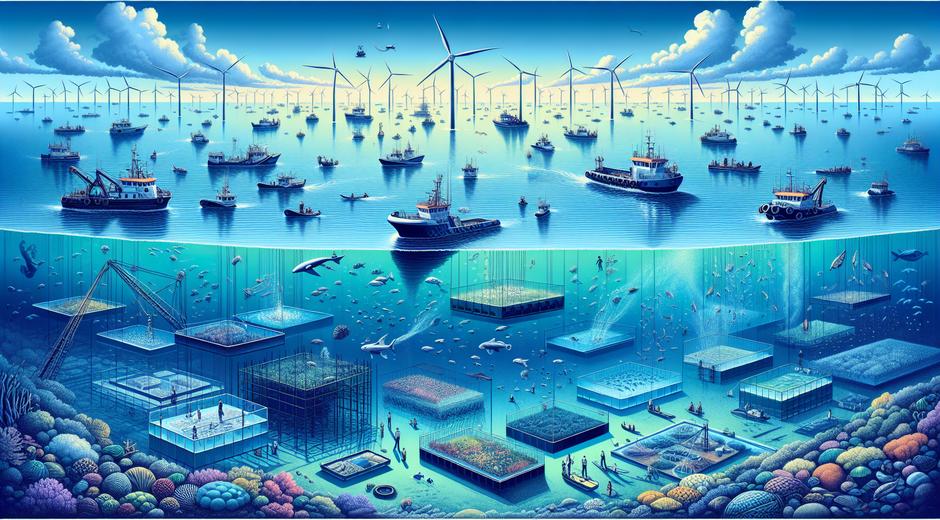
Blue economy refers to all economic activities that depend on oceans seas and coasts. This includes traditional sectors such as fisheries aquaculture shipping and tourism as well as emerging areas like offshore renewable energy marine biotechnology and sustainable seabed mining that is governed responsibly. The core idea is to promote economic development while preserving ocean health by applying principles of sustainability circularity and social inclusion.
Why the Blue Economy Matters Now
Globally the ocean provides food for billions supports a large share of international trade and stores vast amounts of carbon. Healthy marine ecosystems are essential for climate resilience coastal protection and biodiversity. Yet marine habitats face threats from overfishing pollution habitat loss and climate related impacts such as warming acidification and sea level rise. Transforming how we use ocean resources into a blue economy model offers a pathway to recover nature while generating long term prosperity for coastal communities and national economies.
Key Pillars of a Successful Blue Economy
Building a robust blue economy rests on several interlinked pillars. These are economic diversification science based management stakeholder participation and transparent governance. Diversification reduces pressure on single sectors by supporting alternative livelihoods such as sustainable aquaculture eco tourism and marine renewable energy installations. Science based management ensures that exploitation limits reflect ecosystem capacity and that marine protected areas are designed and enforced effectively. Stakeholder participation brings local communities fishers indigenous groups and private investors into decision making so benefits are equitably shared. Transparent governance builds investor confidence and reduces illegal unreported and unregulated activity.
Policy Tools and Financing Mechanisms
Policymakers need a toolkit of regulations incentives and finance to enable blue economy transitions. Effective licensing clear catch limits and traceability systems help reduce illegal practices. Fiscal incentives can be used to support early stage sustainable technologies and to fund conservation actions. Public private partnerships can mobilize large scale investment for coastal infrastructure and offshore energy. Impact investment and blended finance that mixes public grants with private capital allow innovative projects to scale while protecting public interests. For readers who want to follow global coverage of ocean policy and sustainability trends a good resource is ecoglobalo.com which features reporting on ocean related initiatives around the world.
Nature Based Solutions in the Blue Economy
Nature based solutions are central to the blue economy vision. Restoring mangroves seagrass meadows and coral systems increases biodiversity improves fish stocks and enhances coastal protection from storms. These habitats also sequester carbon offering a natural complement to other climate mitigation strategies. Investing in restoration not only delivers ecological benefits but creates green jobs in monitoring restoration and eco tourism activities. Countries that integrate these measures into national planning can unlock new funding streams from international climate and biodiversity finance facilities.
Technology and Innovation Driving Ocean Sustainability
Advances in technology are accelerating sustainable ocean use. Satellite monitoring and remote sensing enable real time surveillance of fishing activity pollution and illegal ship movements. Aquaculture innovations improve feed efficiency reduce environmental footprints and support offshore farming in deeper waters. Renewable energy technologies such as floating wind platforms expand the potential for clean energy production from the ocean. At the same time marine biotech holds promise for new medicines and materials sourced from ocean organisms provided that access and benefit sharing rules protect biodiversity and local communities.
Community Inclusion and Social Equity
Any credible blue economy strategy must center social equity. Coastal communities and small scale fishers often bear the costs of conservation policies when rules are enforced without viable alternatives. Co management models where communities share authority with national agencies can strengthen compliance and ensure that benefits such as tourism revenues or catch value are distributed fairly. Investing in capacity building education and access to markets helps local entrepreneurs capture more value from sustainable practices.
Challenges and Risks to Watch
Transitioning to a blue economy is not without risks. Poorly designed policies can inadvertently drive inequality or shift damage elsewhere. Large scale projects without proper assessment may harm sensitive habitats. There is also a risk that the phrase blue economy is used as a marketing label without measurable commitments to sustainability. To avoid these pitfalls rigorous environmental and social safeguards independent monitoring and clear performance indicators are essential. International cooperation is also important because ocean issues cross borders and require harmonized standards and data sharing.
Examples of Blue Economy Success
Several countries and regions offer useful lessons. Some small island states have implemented comprehensive ocean plans that combine marine protected areas with sustainable tourism and fisheries management to support livelihoods. Cities investing in green port infrastructure are reducing emissions while improving local air quality. Innovative business models are connecting small scale fishers to global markets through digital traceability which raises incomes and discourages illegal practices. Private companies working with public agencies have demonstrated how nature based restoration can be financed at scale when there is clear evidence of both ecological and economic return. For businesses exploring lifestyle products inspired by sustainable ocean living there are new marketplaces that curate ethical offerings such as artisanal goods and coastal travel experiences like those featured by Romantichs.com.
Measuring Success in the Blue Economy
Measuring progress requires a set of indicators that reflect ecological health economic value and social wellbeing. Common metrics include fish biomass and biodiversity indices economic output and employment from ocean sectors revenue distribution to local communities and the area under effective marine protection. Regular reporting and public access to data increase accountability and help course correct when outcomes deviate from targets. International frameworks and standards can aid harmonization making it easier to compare results and share best practices.
Practical Steps for Stakeholders
For national leaders focus on integrated ocean planning that aligns marine spatial plans with climate and development goals. For investors seek projects with transparent risk assessments and measurable impact targets. For local communities engage in co management processes and access training that enhances sustainable livelihoods. For researchers prioritize applied science that informs management and monitors outcomes. Collaboration across these groups creates the conditions for resilient blue economy pathways that benefit people and planet.
Conclusion
The blue economy presents a compelling framework to harness ocean based resources while safeguarding the life support systems that sustain them. By combining science based policy social inclusion innovative finance and strong governance we can build ocean economies that are productive resilient and fair. As the global conversation advances it is essential to move beyond slogans and ensure actions are measurable transparent and equitable. The ocean is not an infinite resource yet with the right approach it can be a source of prosperity and resilience for generations to come.