

Food Waste Reduction: Practical Strategies to Save Money Resources and the Planet
Food waste reduction is one of the most impactful actions households businesses and communities can take to improve food security reduce greenhouse gas emissions and lower costs. Across global supply chains a large share of edible food is lost between harvest and plate. By applying evidence based strategies from planning to disposal every actor can reduce waste. This article explores why food waste reduction matters and offers practical steps for homes companies and policy makers to create measurable change.
Why Food Waste Reduction Matters
Reducing food waste supports multiple goals at once. It improves resource efficiency because water land and energy used to produce food are not wasted. It limits methane emissions from decomposing food in landfills which is a potent driver of climate change. It also improves food access by redirecting surplus to food banks and community kitchens rather than letting it go unused. From an economic perspective food waste reduction saves money for families and increases margins for food businesses by lowering disposal and procurement costs.
Key facts highlight the scale of the challenge. A substantial share of food produced globally is never eaten. That loss occurs at every step from farms to grocery shelves to home kitchens. This creates an ethical economic and environmental imperative for rapid adoption of food waste reduction techniques.
Household Actions for Food Waste Reduction
Household behavior is a major lever for food waste reduction. Small habit changes add up when millions of households take them. Start with meal planning and shopping with a clear list that matches planned meals. This reduces impulse purchases and overbuying. Use portion planning to avoid cooking too much. When there are leftovers turn them into new meals instead of discarding them.
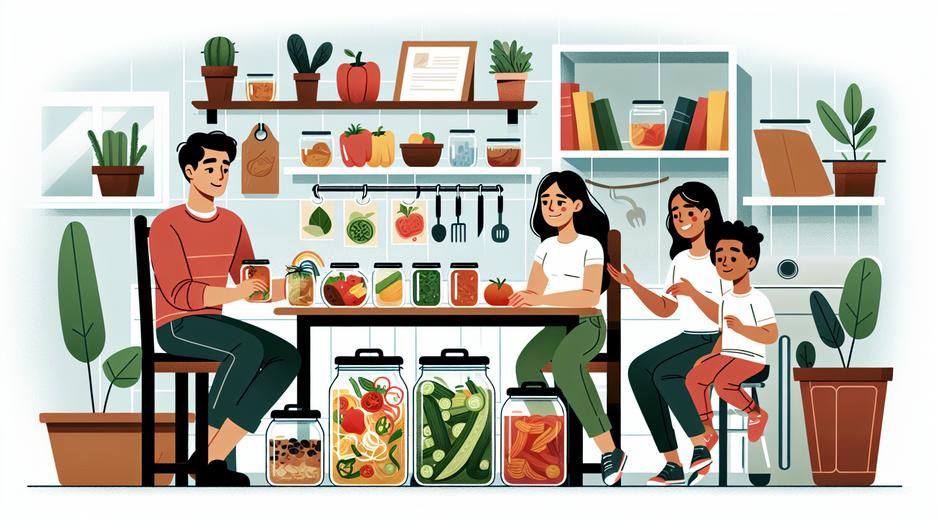
Proper storage extends the life of fresh produce dairy and cooked foods. Learn which items do well in the refrigerator and which stay fine at room temperature. Use airtight containers and clear labeling with dates to track freshness. Freezing surplus perishable items preserves them for later use. Rotate stock in the pantry and fridge using a first in first out rule to prevent older items from being forgotten.
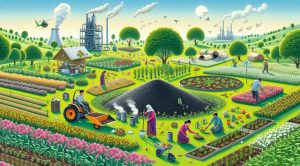
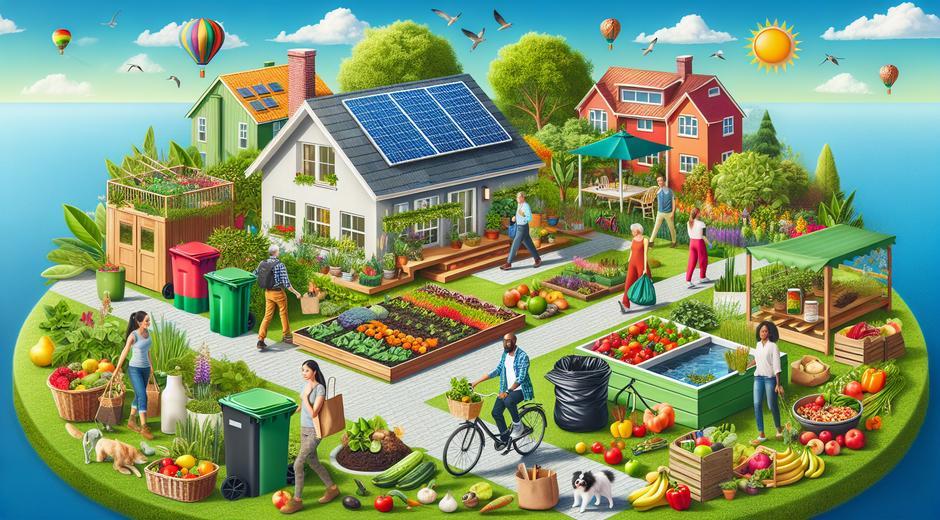
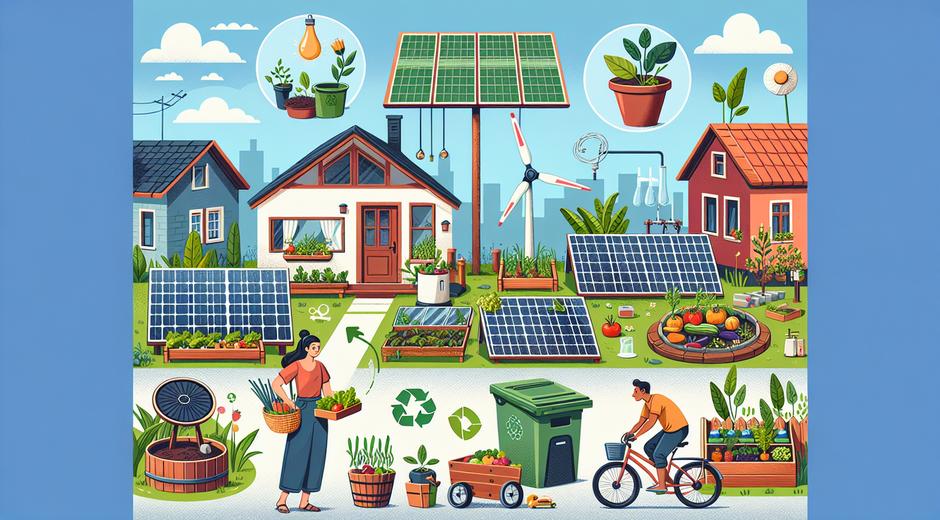
Composting food scraps is a practical way to turn unavoidable waste into a resource for gardens and urban farms. For those without backyard space many cities now offer municipal composting services. Even small scale worm composting works well inside apartments and provides nutrient rich soil for potted plants.
Adopt a waste audit routine at home. For one week track the type and quantity of food discarded. Analyze the causes for each item wasted and create targeted solutions. Tracking helps families see the financial value of avoided waste which reinforces continued action.
Retail and Food Service Practices for Food Waste Reduction
Retailers and food service operators have strong incentives to cut waste. Improved forecasting and inventory management reduce overordering. Dynamic pricing and promotions for near expiry items move product to consumers instead of into trash. Clear date labeling that distinguishes quality indicators from safety rules helps consumers make better decisions about when food is safe to consume.
Food donation partnerships with local charities turn surplus into meals for people in need. Establish simple protocols to ensure donated food meets safety standards and logistics are reliable. Redistribution networks that connect multiple retailers restaurants and charities amplify the impact and create a more resilient local food system.
Supply Chain and Logistics Solutions
Many losses occur before food reaches retail. Improving cold chain reliability optimizing transport routes and reducing handling time all contribute to food waste reduction. Real time monitoring of temperature and humidity in transit prevents spoilage and allows for corrective actions before food becomes unsalable.
Efficient routing and full truck loads reduce time in transit and lower the chance of product loss. Technology plays a central role in coordinating logistics to minimize waste and carbon emissions. Companies can work with logistics partners to design solutions that protect perishable items while reducing miles traveled and idle time. For firms exploring transport and logistics improvements a resource that discusses efficient vehicle use and route planning can be useful such as AutoShiftWise.com which offers insights into vehicle management and operational efficiency.
Technology Innovations Accelerating Food Waste Reduction
Technology is enabling smarter food systems that prevent waste before it occurs. Artificial intelligence and machine learning improve demand forecasting which reduces overproduction. Inventory management platforms provide alerts to retailers about items approaching expiry. Consumer facing apps connect surplus food from restaurants and grocery stores with bargain seeking shoppers and community groups.
Sensor technology in storage and transport continuously reports conditions so staff can act quickly to preserve quality. Platforms that match supply and demand in real time create new channels for surplus distribution. These tools are especially valuable in regions where traditional cold chain capacity is limited and creative solutions prevent avoidable losses.
Policy and Community Programs That Support Food Waste Reduction
Public policy can accelerate food waste reduction by removing barriers and creating incentives. Clarifying date labeling standards reduces consumer confusion. Tax incentives for food donations and grants for composting facilities encourage businesses to choose reuse over disposal. Bans on organic waste going to landfill are already driving investment in collection and processing infrastructure in some municipalities.
Community programs such as gleaning initiatives partner volunteers with farmers to collect surplus produce that would otherwise go unharvested. School programs that teach children how to plan prepare and store food build lifelong habits that support food waste reduction. Local governments can scale these programs by offering technical support to community groups and by investing in infrastructure for redistribution and composting.
Measuring Progress for Long Term Food Waste Reduction
Setting measurable targets and tracking progress is essential. Use simple metrics like total weight of food waste diverted from landfill or percentage reduction in edible food lost. For businesses implement inventory and waste tracking software to measure waste at product category level. Regular reporting helps leaders identify hotspots and allocate resources to the most cost effective interventions.
Lifecycle assessment of food products identifies where improvements create the greatest benefit. For example preserving fresh produce during the first mile after harvest often yields higher returns than small gains later in the chain. Prioritizing interventions with the largest environmental and social returns ensures investment dollars go further.
How Individuals Can Drive Systemic Change
Individual action matters beyond the home because consumer demand shapes retail and production decisions. When consumers prefer stores and restaurants that prioritize food waste reduction businesses respond. Advocacy matters too. Citizens can support policies that fund composting facilities expand food rescue programs and encourage transparent reporting of food loss data.
Share success stories within your network to inspire others. When communities celebrate local initiatives and recognize businesses that innovate around food waste reduction they build momentum. Education campaigns that explain simple techniques like proper storage and using frozen ingredients make it easier for everyone to participate.
Conclusion
Food waste reduction delivers environmental social and economic benefits that are too large to ignore. From household meal planning to advanced logistics improvements every step of the food system offers opportunities for smarter choices. By combining practical habits technology and supportive policy we can move toward a future where edible food is reliably consumed and organic waste becomes a resource rather than a burden. For ongoing coverage of global initiatives and practical guides on sustainability visit ecoglobalo.com and join the movement to reduce waste and build a more resilient food system.