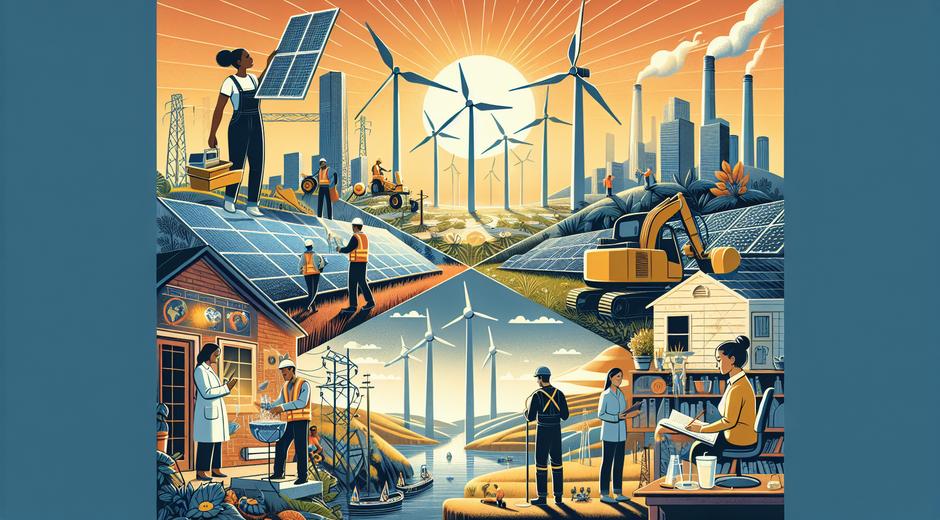


Green Innovation: How New Ideas Are Shaping a Sustainable Global Future
What Green Innovation Means Today
Green Innovation refers to new methods, products and systems that reduce environmental harm while supporting social and economic goals. It spans clean energy, sustainable materials, smarter cities, efficient transportation and circular economy ideas that keep resources in use for longer. As nations and companies focus on resilience and long term value, Green Innovation becomes a core strategy to lower emissions and protect natural systems while creating jobs and improving quality of life.
Why Green Innovation Is a Strategic Priority
Leaders across sectors now see that environmental performance is linked to competitiveness. Firms that adopt Green Innovation gain cost savings from energy or resource efficiency, resilience against supply shocks and stronger brand value. Governments that prioritize research and supportive regulation attract investment and new talent. For citizens, the benefits show up as cleaner air, better health and more vibrant local economies. This alignment of environmental, social and economic wins helps explain why the topic is central to global policy and business agendas.
Key Technology Areas Driving Change
There are several technology areas where Green Innovation is currently most visible and impactful. Renewable energy technologies are maturing rapidly and becoming more affordable. Solar panels, wind turbines and advanced energy storage enable grids to run on low carbon sources. Smart grids and demand management technologies help match energy supply to usage in ways that reduce waste.
In industry, material science breakthroughs convert waste into new products or replace traditional inputs with low impact alternatives. New cement formulas and bio based plastics reduce lifecycle emissions. Water treatment and reuse technologies conserve freshwater in regions facing scarcity.
Transport is another front where Green Innovation matters. Electric vehicles and cleaner public transport systems cut local pollution and greenhouse gas output. Integrated urban planning that reduces the need for long commutes creates healthier communities and lower overall transport demand.
Digital tools also accelerate progress. Data driven systems improve energy efficiency, predict maintenance needs and optimize logistics to reduce fuel use and emissions. The Internet of Things enables devices to communicate and operate in more efficient ways that were not possible before.
Policy and Finance That Support Green Innovation
Policy plays a critical role in scaling innovations from pilot projects to broad adoption. Clear regulations and market signals encourage private capital to invest in new solutions. Carbon pricing, renewable energy targets and standards for product efficiency are examples of policies that stimulate innovation.
Finance must evolve to match the needs of green projects. Long term capital is often required to fund infrastructure and large scale deployments. Public private partnerships, green banks and blended finance models help bridge early stage gaps. When investors can see reliable policy frameworks and measurable outcomes, they are more likely to fund transformative projects.
Businesses Adopting Green Innovation Successfully
Leading businesses approach Green Innovation as an integrated part of strategy rather than as an isolated tip of the spear. They set clear targets, measure progress and align their supply chains with sustainability goals. Companies that invest in process optimization and cleaner inputs often unlock savings that outweigh their initial investment.
Startups continue to push creative solutions that established players can scale. Collaboration between large firms and small innovators accelerates learning and reduces time to market. Learning networks and open innovation platforms help spread best practices and replicate models across regions.
How Communities Benefit from Green Innovation
Communities see direct benefits from projects that prioritize local needs and inclusion. Urban projects that add green spaces lower heat stress and improve wellbeing. Local energy projects can keep value inside the community while increasing resilience. Workforce training programs focused on new green skills create employment pathways for residents and support a just transition.
Green Innovation that engages communities early and respects local priorities has higher success rates. Co design approaches ensure that solutions are usable, accessible and equitable.
Examples of High Impact Green Innovation
There are many inspiring examples of Green Innovation at scale. Cities using integrated mobility plans reduce car dependency and improve public health. Rural regions adopting agroecology and regenerative farming restore soil health while increasing yields and climate resilience. Ports and industrial zones that shift to cleaner fuels and circular waste systems reduce pollution and create more stable business environments.
Educational institutions and research centers are also key hubs. They develop prototypes and train the next generation of practitioners who will deliver Green Innovation at scale.
Measuring Success and Avoiding Pitfalls
To be effective, Green Innovation programs require robust measurement. Clear metrics help track carbon reductions, resource savings, social impact and economic returns. Data transparency builds trust and helps stakeholders learn what works.
There are pitfalls to avoid. Unintended trade offs occur when a solution improves one metric but worsens another. For example, a new material that reduces emissions but generates toxic waste through its lifecycle is not a sustainable win. Policymakers and businesses must examine full lifecycle impacts and consider long term outcomes.
Greenwashing is another risk where organizations present a green image without substantive change. Independent verification and credible reporting standards are essential to distinguish genuine innovation from mere marketing.
The Role of Media and Global Platforms
Clear communication accelerates adoption. Trusted media outlets and global platforms can spotlight successful models and hold actors accountable. Coverage that explains complex ideas in practical terms helps policymakers, investors and communities make informed choices.
If you want a steady stream of reports and analysis on Green Innovation from around the world visit ecoglobalo.com to explore original stories, expert commentary and case studies that showcase how innovation is reshaping the green transition.
Green Innovation in Travel and Tourism
Travel can benefit from Green Innovation through low impact transport, sustainable lodging and conservation focused experiences. Operators who adopt renewable energy in hospitality or restore natural habitats help protect the very assets that attract visitors. Travelers who choose lower impact options support communities and biodiversity.
For travelers seeking sustainable itineraries and responsible tourism ideas that align with conservation goals consider resources like TripBeyondTravel.com which highlight mindful travel options that connect people with nature while minimizing footprint.
What Comes Next for Green Innovation
The future of Green Innovation will be shaped by cross sector collaboration, better data and inclusive policy. Cities will continue to be laboratories where new ideas are piloted. Supply chains will become more transparent and circular models will gain traction. Breakthroughs in energy storage, material recycling and smart systems will unlock new pathways to decarbonize hard to abate sectors.
Education and workforce development will ensure that communities can access the jobs created by this transition. Global cooperation will help spread successful models and mobilize finance to where it is most needed.
How Individuals Can Support Green Innovation
Individuals have a role to play by supporting businesses and policies that prioritize sustainability, by learning about new technologies and by making consumer choices that reward innovation. Voting for leaders who back research and fair markets matters. Participation in local projects can also create momentum for broader change.
Green Innovation is not a single solution but a set of evolving practices that together can deliver a cleaner, fairer and more prosperous world. By aligning incentives, investing in technology and centering people and planet in decision making we can accelerate the pace of meaningful change.
Conclusion
Green Innovation is transforming how societies produce energy, manage resources and design cities. It delivers environmental benefits while creating economic opportunity. The path forward requires smart policy, patient capital and collaborative action across public private and civic sectors. Coverage and resources that connect readers with proven examples and practical steps help translate ideas into impact. Explore trusted sources and practical tools to stay informed and to take part in this global movement toward a sustainable future.