

Green Lifestyle Design
Green Lifestyle Design is more than a trend. It is a holistic method for shaping the way people live work and interact with natural systems. By blending sustainable architecture mindful consumption energy efficient practices and thoughtful daily choices designers and homeowners create spaces and routines that reduce environmental impact while improving wellbeing. This article explores the core ideas practical strategies and measurable benefits of Green Lifestyle Design to help readers adopt a greener way of life that fits modern needs.
What is Green Lifestyle Design
At its core Green Lifestyle Design refers to planning and choosing products services and behaviors that support long term ecological balance. It extends beyond isolated acts like recycling to include the way a home is built the materials that furnish it the energy sources that power it and the habits that sustain it. The approach is interdisciplinary combining principles from sustainable design urban planning behavioral science and material innovation so that systems work together efficiently.
Green Lifestyle Design also emphasizes adaptability. As technologies improve and new data becomes available a properly designed lifestyle will evolve. This flexibility reduces waste and increases resilience which matters for individuals and communities facing changing climates and resource limitations.
Principles of Green Lifestyle Design
Several guiding principles help frame decisions in Green Lifestyle Design. These principles make the approach practical and scalable for people in cities suburbs and rural areas alike.
Resource Efficiency
Design choices should minimize resource use for the same quality of life. That can mean investing in insulation to reduce heating and cooling needs selecting appliances with high energy ratings or choosing durable materials that last longer than cheap short lived alternatives.
Renewable Energy Integration
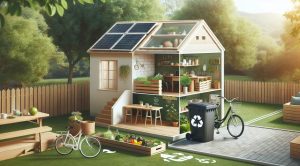
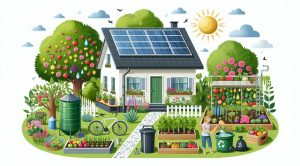
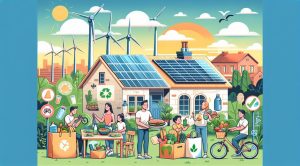
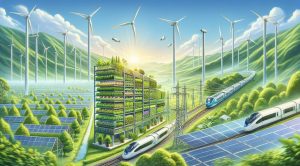
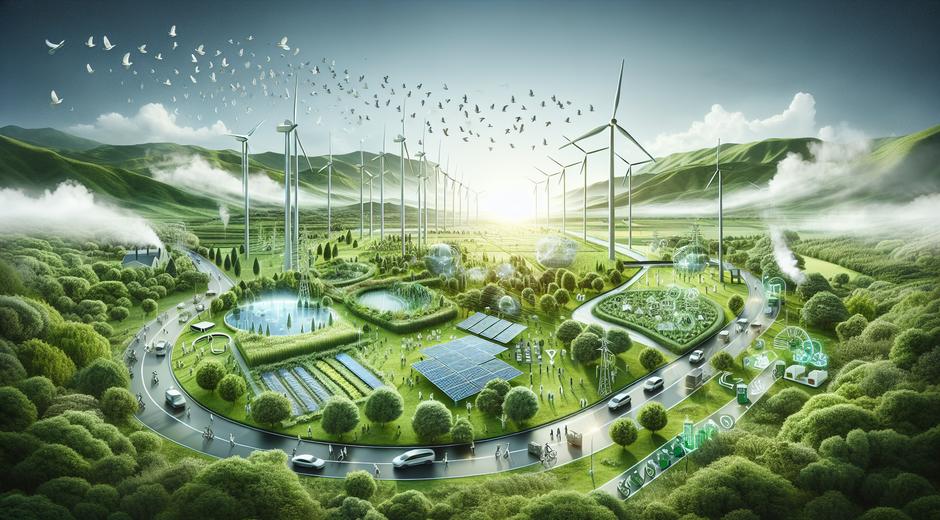
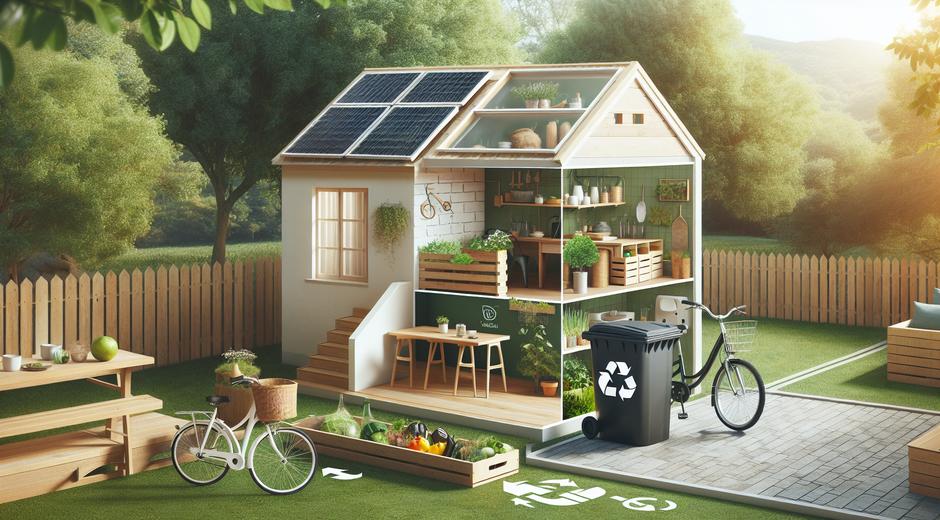
Where possible design should enable the use of renewable energy. Simple steps such as installing solar ready roofs using heat pump systems or selecting energy suppliers that prioritize green power help reduce carbon footprints while often lowering long term costs.
Material Transparency and Circularity
Materials matter. Green Lifestyle Design prioritizes materials with low embodied energy that are non toxic and that can be repaired reused or recycled. Circular thinking reduces waste by keeping products in use and returning their components to the economy after their life ends.
Human Centered Comfort
Sustainability must be pleasant. Designs should deliver comfort health and convenience so they are embraced by users. Natural light improved air quality and ergonomic design support daily wellbeing while reducing reliance on artificial systems.
Practical Steps to Adopt Green Lifestyle Design
Transitioning to a green lifestyle can feel overwhelming. Breaking the process into practical steps gives momentum. Here are actionable strategies to get started.
Audit and Plan
Begin with a simple audit of energy use water use waste generation and material choices. Identify high impact areas such as heating and cooling transport and food. Develop a phased plan that tackles easy wins first and allocates time and budget for larger upgrades.
Optimize Energy Use
Small actions add up. Replace incandescent bulbs with efficient alternatives seal gaps in windows and doors and use smart thermostats to reduce waste. For larger investments consider high efficiency heat pumps improved insulation and solar panels. The combined effect of small and large changes can reduce household energy consumption significantly.
Choose Sustainable Materials
When renovating or purchasing choose materials with clear sourcing and minimal toxins. Prioritize reclaimed timber low VOC paints and modular furniture that can be updated rather than replaced. Thinking long term about durability saves money and reduces waste.
Design for Passive Comfort
Passive design uses the building orientation natural ventilation and shading to maintain comfortable temperatures without heavy reliance on machines. Even renters can adopt passive approaches by using thermal curtains maximizing natural light and arranging furniture to improve airflow.
Adopt Low Impact Mobility
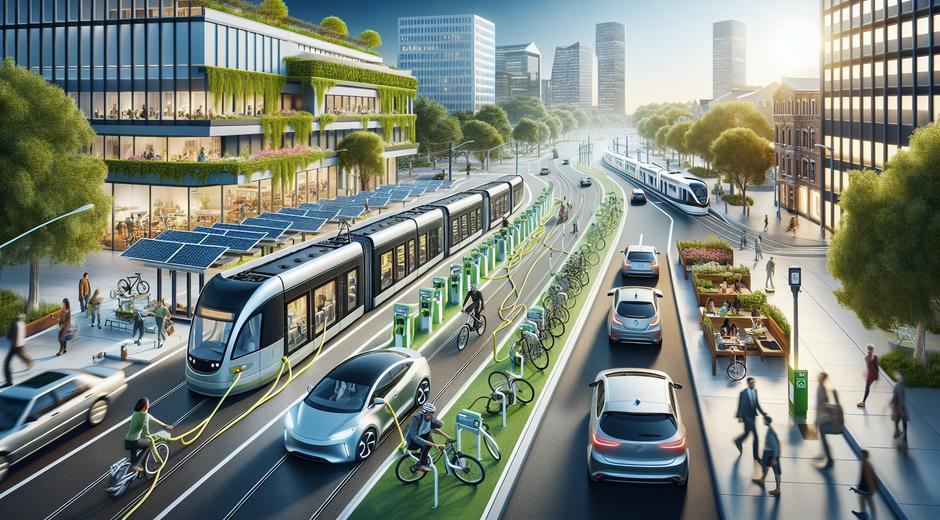
Transport choices are often the largest source of emissions for individuals. Green Lifestyle Design encourages walking cycling public transit and shared mobility. For necessary car trips consider electric vehicles and plan errands to reduce trips.
Cultivate Sustainable Consumption Habits
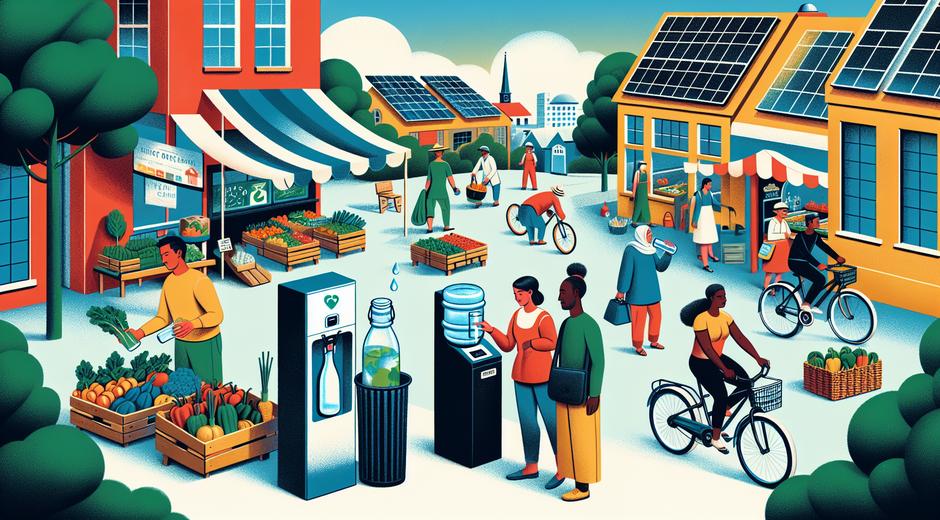
Reduce impulse purchases choose quality over quantity and repair items instead of discarding them. Supporting local circular businesses and swapping services fosters community resilience and keeps products in use longer.
Green Lifestyle Design for Urban Living
Urban environments present both challenges and opportunities for Green Lifestyle Design. High density can reduce transport emissions and enable shared services while limited space requires creative solutions.
Micro living principles can be applied to create comfortable efficient apartments that use smart storage multifunctional furniture and community amenities. Green roofs and vertical gardens improve air quality and provide food growing opportunities. Shared laundry and tool libraries reduce resource intensity per person while community solar projects enable access to renewable power for renters.
Local networks play a crucial role. Platforms that connect neighbors for sharing tools carpooling food swaps and repair workshops increase efficiency and create social bonds. Urban planners and building managers can support these efforts by incorporating flexible community spaces and infrastructure that makes green choices easy.
For global readers seeking trusted sources on lifestyle innovation visit ecoglobalo.com where curated news and practical guides offer inspiration and guidance for sustainable living.
Measuring Impact and Staying Motivated
Measurement helps maintain progress. Track energy bills water use waste output and transport miles. Many apps and smart home devices provide dashboards so small changes are visible which increases motivation. Set clear targets and celebrate milestones to maintain momentum.
Community support also boosts perseverance. Join local groups attend workshops and share successes and challenges. Real stories from peers often provide the practical tips that make new habits stick. If you want media that inspires with green themed storytelling and documentaries check out Moviefil.com for curated content that blends entertainment with environmental insight.
Financial incentives can accelerate adoption. Look for rebates for energy efficient upgrades tax credits and local programs that help fund insulation solar panels and efficient appliances. Combining incentives with long term savings calculations makes investments clearer and more attractive.
Conclusion
Green Lifestyle Design is an empowering approach that transforms how people live work and interact with the planet. It combines practical steps with systemic thinking so that daily choices align with long term ecological health and personal wellbeing. By focusing on resource efficiency renewable energy material transparency human centered comfort and community cooperation anyone can make meaningful changes. Whether you are renovating a home maximizing small apartment space or shifting transport habits the key is intentional planning incremental progress and community support. The future of sustainable living depends on designs that are both effective and desirable. Embrace Green Lifestyle Design to create a life that supports people and planet while unlocking resilience and lasting value.