

Greywater Reuse A Practical Guide for Cities Homes and Businesses
Water scarcity is a growing concern worldwide and greywater reuse is emerging as a practical solution that delivers environmental benefits financial savings and resilience for communities and organizations. This article explains what greywater reuse is why it matters how systems work and how to design implement and maintain reuse strategies that are safe effective and scalable. Whether you are a homeowner a facility manager or a policy maker this guide will equip you with the information needed to adopt greywater reuse with confidence.
What Is Greywater Reuse and Why It Matters
Greywater reuse refers to collecting and treating water from bathroom sinks showers bathtubs and laundry machines and then reusing that water for nonpotable purposes such as toilet flushing landscape irrigation and cooling towers. Unlike blackwater which contains raw sewage greywater has lower levels of pathogens and solids and can be handled with simpler treatment systems. By capturing and reusing greywater communities can reduce demand on potable water supplies lower wastewater flows and cut energy and greenhouse gas emissions associated with water treatment and conveyance.
Beyond conservation greywater reuse supports climate adaptation by providing local water sources during droughts and reducing stress on aging infrastructure. It also offers economic benefits through reduced water bills and smaller sewer fees in regions where charges are volumetric. For businesses and large facilities the operational savings can be significant and can be a driver for sustainability certification and improved corporate responsibility metrics. For more local sustainability news and analysis visit ecoglobalo.com to find related coverage and case studies.
Common Uses for Greywater
Greywater can be used for several nonpotable functions. The most common are:
- Toilet flushing which can account for a large share of indoor water use in residential and commercial buildings
- Irrigation for gardens green spaces and agricultural buffers where treated greywater supports plant growth
- Cooling tower make up water in commercial HVAC systems which reduces demand on potable supply
- Industrial processes that do not require potable quality such as certain cleaning tasks
Choosing the right end use depends on water quality targets local regulations and user acceptance. In many settings treated greywater is an excellent match for landscape irrigation where the natural cycling of nutrients provides additional benefits to soils and plants.
Design Principles for Safe Effective Systems
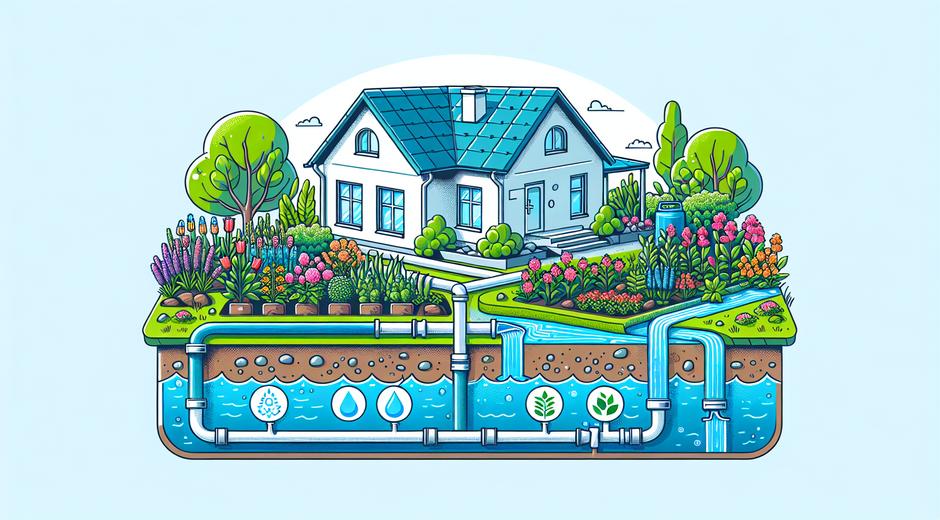
Designing a greywater reuse system requires a clear focus on safety reliability and simplicity. Key design principles include source separation to avoid cross contamination with potable supplies user friendly controls to prevent misuse and monitoring to ensure performance. Systems range from simple gravity fed diverters that route shower water to garden beds to modular treatment units that combine settling filtration and disinfection for more demanding applications.
Pretreatment steps such as coarse filtration and grease traps protect downstream equipment and reduce maintenance needs. Biological treatment including constructed wetlands or sand filters can remove organic load and nutrients while ultraviolet or chlorine disinfection adds a safety barrier for microbial contaminants. Matching treatment level to end use keeps systems cost effective and reduces complexity. For instance irrigation systems often require less treatment than water used for toilet flushing.
Regulatory and Health Considerations
Regulations for greywater reuse vary widely by country region and municipality. Many jurisdictions allow limited household greywater reuse for irrigation with simple guidelines on detergents and acceptable uses while others provide pathways for engineered systems under permit processes. Health risk assessment is central to regulation and systems must prevent contact with skin and mucous membranes where appropriate and control aerosol generation near occupied spaces.
Key safety measures include clear labeling of distribution pipes separation of potable and nonpotable plumbing backflow prevention devices and routine monitoring for indicators such as turbidity and microbial counts. Community outreach and education also play an important role in building trust and ensuring that users understand safe handling practices and maintenance schedules.
Cost and Funding Options
Initial costs for greywater reuse systems depend on system complexity scale and integration with existing plumbing. Simple diverter systems can be inexpensive while engineered treatment systems require higher capital investment. However long term operational savings from reduced water purchases and lower sewer charges often deliver attractive payback periods especially in regions with high water costs or incentives.
Public financing rebates and green loans are increasingly offered by utilities and government programs to encourage adoption. Private finance options can also support retrofits for commercial properties where operational savings boost net present value. For insights on financing mechanisms and market opportunities consult resources such as FinanceWorldHub.com which tracks funding trends and incentives that support sustainable infrastructure projects.
Steps to Implement Greywater Reuse in a Home or Facility
Follow these practical steps to plan and implement a greywater reuse project:
- Assess water use patterns and identify high yield sources such as laundry and showers
- Define target end uses and required water quality based on intended reuse
- Review local codes and obtain necessary permits to ensure compliance
- Select a system type and provider that matches scale operation and maintenance capacity
- Install separation valves labels and backflow prevention devices to protect potable supply
- Set up monitoring and maintenance schedules with clear responsibilities documented
- Engage occupants or staff with training on safe operation and signs of system issues
Working with experienced installers and water engineers reduces risk and speeds up commissioning. Piloting a small system is a smart way to build evidence and stakeholder confidence before scaling up across a property or portfolio.
Maintenance Best Practices
Routine maintenance ensures consistent performance and extends system life. Basic tasks include cleaning filters replacing media checking pumps and inspecting distribution lines for leaks or blockages. Maintain treatment logs and review water quality data periodically to detect trends that indicate degradation or contamination. Where biological processes are used avoid sudden changes in loading or toxic chemicals that can disrupt microbial communities.
Establish a service plan with intervals for professional inspections and clear instructions for on site caretakers. Simple low tech systems can be highly reliable when maintenance is predictable and responsibilities are assigned.
Case Examples and Outcomes
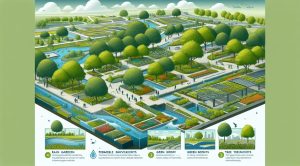
Various cities and institutions have demonstrated measurable benefits from greywater reuse installations. Urban parks that use treated greywater for irrigation show lower potable water consumption and healthier vegetation during dry periods. Multifamily housing projects that integrate toilet flushing reuse report substantial reductions in municipal water bills. In industrial settings reuse for cooling towers reduces intake volume and decreases thermal discharge to local systems.
These cases highlight that success depends on matching technology to context ensuring maintenance capacity and engaging users. When these conditions are met outcomes include cost savings lower environmental footprint and improved water resilience for the community.
Overcoming Barriers to Adoption
Uptake faces barriers such as regulatory uncertainty upfront costs and public perception. Addressing these barriers requires clear policy frameworks technical standards incentives and demonstration projects that can de risk investments. Education campaigns that focus on safety benefits and common sense practices help overcome public hesitation.
Collaborative approaches that bring utilities local governments designers and community groups together accelerate learning and build supportive ecosystems for reuse. Standardized permitting streamlined codes and financial incentives create predictable pathways for wide scale adoption.
The Future of Greywater Reuse
Advances in compact treatment technologies smart monitoring and automated controls are making greywater reuse more accessible and reliable. Integration with building management systems enables optimized distribution based on real time demand and water quality data. At the urban scale coordinated reuse strategies can relieve pressure on potable supplies and wastewater networks while supporting green infrastructure goals.
As climate variability increases and demand for sustainable solutions grows greywater reuse will play an important role in diversified water portfolios. Early adopters gain operational savings and demonstrate leadership while broader adoption supports community resilience.
Conclusion
Greywater reuse offers a practical pathway to conserve water reduce costs and enhance resilience across residential commercial and public sectors. Success depends on thoughtful design compliance with health standards reliable maintenance and community engagement. With proven technologies and growing policy support the adoption of greywater reuse can be scaled to deliver large benefits for cities towns and industries. For news updates best practices and resources that support planning and financing of sustainable water projects visit our site for continuing coverage and actionable guidance.