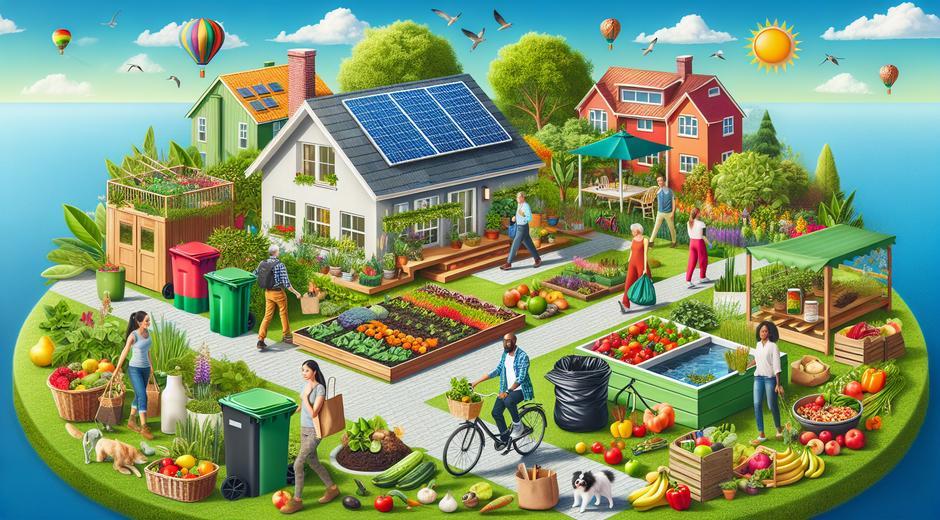


Eco Lifestyle: Practical Steps to Live with Less Impact
The phrase Eco Lifestyle captures a way of living that values nature and seeks to reduce harm to the planet while improving daily wellbeing. For readers who want to move from intention to action this article outlines clear strategies to adopt sustainable routines at home work and in the wider community. The goal is to provide practical guidance that fits real life circumstances and helps readers feel empowered rather than overwhelmed.
Why Choose an Eco Lifestyle
Choosing an Eco Lifestyle is not only about protecting ecosystems it is about creating resilience and quality of life. People who adopt sustainable habits often report lower stress levels improved health and stronger community ties. From saving money on energy and material costs to supporting ethical businesses an Eco Lifestyle yields tangible benefits. At a planetary level small changes in many households add up to significant reductions in waste resource use and emissions.
Simple Changes to Start Today
One of the best things about an Eco Lifestyle is that you do not need to change everything all at once. Start with a few easy steps and build momentum. Some actions you can take right now include:
- Switch off lights and devices when not in use
- Choose reusable bottles bags and containers instead of single use items
- Buy food with minimal packaging and favor seasonal local produce
- Repair items when possible before replacing them
- Use a laundry routine with lower temperature settings and full loads
These steps are low cost and low effort but they create habits that support larger changes later. Consistency matters more than perfection.
Home and Energy
Reducing energy use at home is central to living an Eco Lifestyle. Simple measures include improving insulation using energy efficient lighting and appliances and managing heating and cooling more intentionally. Insulation keeps a home comfortable while lowering the need for heating and cooling. LED lights use much less electricity than older bulbs. When choosing appliances compare energy ratings and lifecycle costs rather than only the upfront price.
Smart thermostats and timers can help by matching energy use to actual needs. Where possible consider switching to renewable energy from your utility or through a vendor that supplies green energy. Even small shifts in habits like closing curtains on cold nights and opening windows for morning ventilation reduce energy demand.
Food and Shopping Choices
Food choices are a powerful lever within an Eco Lifestyle. Eating more plant based meals reducing food waste and sourcing from local producers lower environmental impact. Plan meals to make full use of ingredients preserve leftovers and compost food scraps where you can. Shopping with a list helps reduce impulse purchases and oversupply.
For non food purchases seek durable and repairable products. Buying secondhand furniture and clothing extends the useful life of items and reduces demand for new production. When gifts are needed consider experiences or handcrafted items that support independent makers. For a curated selection of gift ideas that align with mindful living you can explore Romantichs.com which features thoughtful options for celebratory moments and home accents. The link below provides more details.
Travel and Transport
Transport choices are a key component of personal environmental impact. Walking cycling and public transit are the lowest impact ways to travel for short to medium distances. When driving is necessary choose the most fuel efficient vehicle that meets your needs and practice gentle driving habits that improve fuel economy. For longer journeys consider alternatives to flying where feasible and use direct routes when possible to reduce emissions from travel.
Car sharing and ride pooling are good options when public transit is unavailable. Also explore occasional rentals for trips that require specialized vehicles rather than owning a rarely used model. These decisions reduce resource use and the cost burden of ownership.
Community Engagement and Mindset
An Eco Lifestyle thrives on community connections. Share tools and resources with neighbors support community gardens and participate in local markets or repair events. These activities build social capital while reducing consumption. Teaching children about nature and the value of resources cultivates the next generation of mindful consumers and stewards.
Mindset matters. View actions as experiments rather than pass fail tests. Celebrate small wins and learn from setbacks. When friends and family ask about your choices explain them in practical terms focusing on benefits such as cost savings or tastier meals. Personal stories and local examples are often more persuasive than abstract data.
Measuring Progress and Staying Motivated
Track a few meaningful indicators to measure progress toward an Eco Lifestyle. For example monitor energy bills waste volumes and food spend. Set realistic targets and revisit them regularly. Using a simple journal or digital tracker encourages accountability and highlights trends you might otherwise miss.
Joining groups online or locally provides motivation and ideas. Reading reliable articles curated by trusted sources keeps you informed about new technologies and community initiatives. If you want a central place to follow global conversations about sustainable living and news that matters there is a resource that can help. Visit the site linked below for updates and guides that support everyday action.
Long Term Habits and Influence
Long term adoption of an Eco Lifestyle comes from aligning choices with values and making sustainability convenient. Design your home routines so the easiest option is also the most sustainable option. Keep reusable items visible and accessible remove friction from composting and recycling and schedule time for repair and maintenance. Over time small habits compound into major savings for your household and major benefits for the environment.
Beyond personal habits you can influence systems by supporting businesses and policies that prioritize sustainability. Vote with your wallet and with your voice. Advocate for green spaces efficient public transit and fair labor practices. Collective action shapes markets and public investment.
Conclusion
Adopting an Eco Lifestyle is a journey not a destination. Start with changes that fit your daily routines and expand as confidence grows. The combined effect of many people making better choices creates healthier communities and a more resilient planet. Use available resources to learn and connect with others. Practical steps at home work sites and in neighborhoods add up to real impact and a better quality of life for present and future generations.
Begin today by picking one new habit to try for a month. Track how it feels what it saves and what you learn. Small steps sustained over time lead to meaningful outcomes.