

Land Restoration: Repairing Earth for People Nature and Future Generations
Why Land Restoration Matters Now
Land restoration is a global priority that reconnects ecosystems with the services that sustain human life. Healthy land provides clean water fertile soils and climate regulation while supporting food systems and biodiversity. With rising pressure from unsustainable practices climate change and expanding urban areas the need to restore degraded landscapes is urgent. Effective land restoration delivers measurable improvements in soil health water retention and native species recovery which in turn support resilient communities and economies.
Core Principles of Successful Land Restoration
Clear goals and adaptive planning underpin every effective land restoration effort. These projects work best when they are science based community led and designed to restore ecosystem function rather than simply cover land with vegetation. Key principles include assessing baseline conditions setting realistic objectives and monitoring progress through simple repeatable indicators. Restoration that focuses on native plant species soil structure and water cycles often yields better long term outcomes than approaches that prioritize only quick visible cover.
Practical Techniques and Approaches
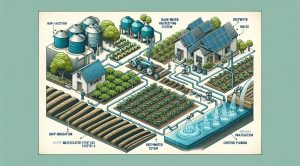
A range of techniques can be applied depending on climate soil type and local social context. Reforestation and assisted natural regeneration help reestablish tree cover while grassland restoration and agroecological practices improve pasture health and crop resilience. Soil restoration through organic matter additions reduced tillage and soil microbiome support increases productivity and carbon storage. Water harvesting earthworks and living infrastructure techniques reduce erosion and increase groundwater recharge. When designed together these techniques create systems that are more resistant to drought floods and pests.
Community Role and Local Knowledge
Land restoration succeeds when local communities drive decision making. Indigenous and traditional knowledge offers invaluable insights on native species seasonal patterns and sustainable harvesting practices. Participatory planning increases social buy in reduces conflict and helps align restoration with local livelihoods. Training community members in monitoring and maintenance builds capacity and creates long term stewardship that conventional top down projects often miss.
Economic and Social Benefits
Investing in land restoration creates jobs local income and social cohesion. Restored landscapes support sustainable agriculture non timber forest products ecotourism and climate adaptation services. These outcomes provide multiple revenue streams that can fund continued stewardship. Policymakers and investors are increasingly recognizing that spending on restoration generates returns through avoided disaster costs improved crop yields and enhanced water security.
Measuring Success and Scaling Impact
Robust monitoring is essential to validate outcomes and attract sustained funding. Effective metrics track changes in vegetation cover soil carbon water infiltration rates and biodiversity. Remote sensing tools combined with ground based sampling enable cost effective tracking across large areas. Learning from pilot sites helps refine methods before scaling to watershed level or beyond. Scaling requires coordination across government agencies private sector partners and civil society along with clear incentives that reward long term care for restored land.
Policy Innovation and Funding Mechanisms
Supportive policy frameworks are critical to mainstream land restoration. Land tenure clarity payment for ecosystem service schemes and incentive programs encourage land owners to adopt restorative practices. International finance and blended funding models help bridge resources for large projects. Innovative platforms can match investors with community led projects while ensuring transparency and benefit sharing. For readers seeking examples of digital platforms that foster collaboration and resource flows consider visiting Moviefil.com which highlights creative approaches to partnership and project visibility.
Case Studies of Transformation
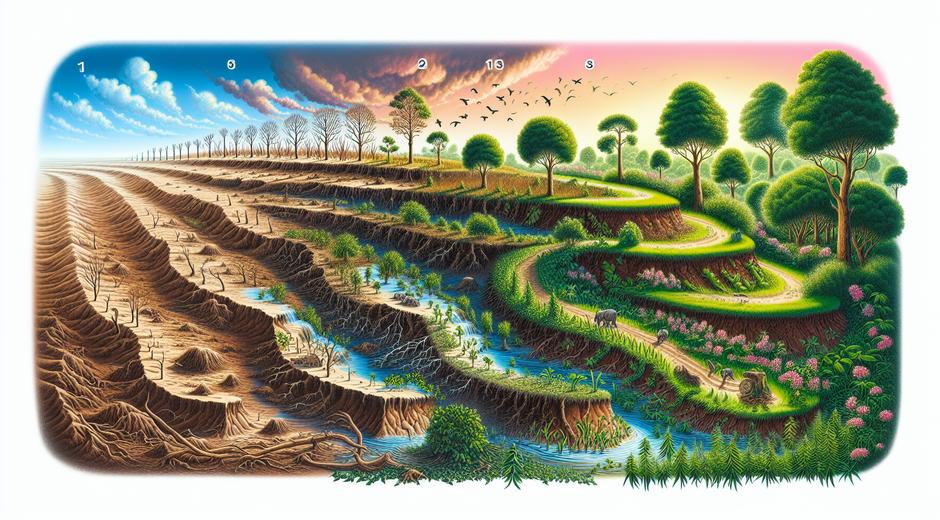
Around the world restored landscapes show dramatic recoveries in biodiversity and human wellbeing. Grassland restoration projects that reintroduce native species increase forage for livestock and reduce erosion. In dryland regions simple water harvesting and stone contouring capture rainfall and enable tree seedling survival where earlier efforts failed. Urban fringe restoration reconnects people with nature reduces heat stress and improves storm water management. These diverse successes share common features community engagement adaptive management and long term commitments to monitoring.
Technology and Innovation in Restoration Practice
Advances in remote sensing drones soil sensors and open data tools make it easier to design monitor and report on restoration. High resolution satellite imagery helps identify priority sites while mobile apps empower field teams to collect standardized data. Machine learning improves predictions about what treatments will work where and for whom. Combining traditional knowledge with novel technology creates hybrid approaches that are both scalable and context sensitive.
Challenges and How to Overcome Them
Land restoration faces challenges including short term funding cycles competing land uses and lack of coordination among stakeholders. To overcome these obstacles projects must demonstrate early wins provide transparent benefit sharing and align with local development goals. Capacity building for local institutions and flexible funding that allows iterative learning are essential. Long term governance arrangements that protect restored areas from conversion ensure that restoration gains endure across political cycles.
How Readers Can Support Land Restoration
Everyone can contribute to restoring land at different scales. Supporting local conservation organizations volunteering for tree planting events adopting soil friendly gardening practices and choosing sustainably produced food are immediate actions individuals can take. Businesses can invest in regenerative supply chains and governments can prioritize restoration in land use planning. For more stories policy updates and resources on global environmental topics visit our main hub at ecoglobalo.com where expert analysis and community voices come together.
The Road Ahead
Land restoration is not a single intervention but a long term transformation that rebuilds the resilience of social ecological systems. By combining scientific rigor community leadership and innovative finance we can restore degraded lands at scales that matter for climate biodiversity and human wellbeing. The success of restoration depends on consistent commitment evidence based policy and collective imagination. When those elements come together the result is renewed landscapes thriving economies and a healthier planet for future generations.
Conclusion
Land restoration offers a pragmatic path to recover nature while securing livelihoods and mitigating climate risks. It requires integrated approaches that respect local contexts and measure outcomes rigorously. With the right mix of policy support scientific knowledge community engagement and funding innovation the promise of restored land can be realized worldwide. Join the growing movement that sees restoration as a foundation for sustainable development and explore how you or your organization can play a role in this vital work.