

Environmental Balance A Global Imperative for People and Planet
Environmental Balance is more than a phrase. It is a measurable condition where human activity and natural systems coexist without causing systemic harm to climate biodiversity water cycles or soil health. As populations rise and resource use expands the need to restore and maintain Environmental Balance becomes central to economic planning social wellbeing and long range resilience. This article explores what Environmental Balance means why it matters and how policymakers businesses communities and travelers can act now to secure a stable future.
What Environmental Balance Means in Practice
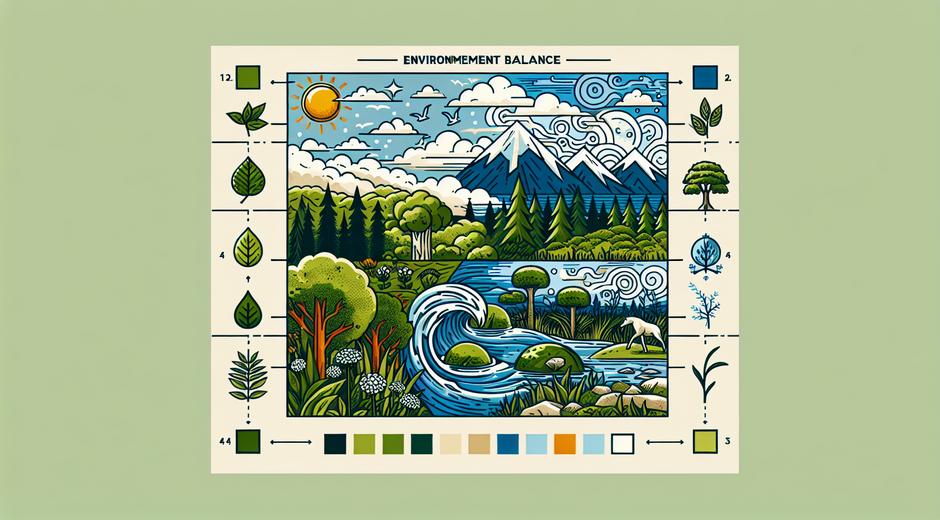
At its core Environmental Balance refers to an equilibrium among resource extraction living systems and waste flows that keeps ecosystems functioning and services available for current and future generations. That includes stable climate patterns healthy pollinator populations clean freshwater accessible fertile soils and sustainable fisheries. Achieving Environmental Balance requires integrated solutions that address energy use land use pollution and social equity at the same time.
Why Environmental Balance Matters to Everyone
When Environmental Balance is lost the consequences include extreme weather food insecurity rising health risks and greater economic instability. Vulnerable communities often face the worst impacts. Protecting and restoring Environmental Balance is therefore an ethical priority and a practical necessity for long term prosperity. Healthy ecosystems provide natural buffers against floods and droughts support crop yields and nourish biodiversity that underpins pharmaceutical advances and cultural values.
Drivers of Imbalance and How to Reverse Them
Major drivers of imbalance include overuse of fossil fuels deforestation intensive agriculture excessive waste and unregulated industrial pollution. To reverse trends governments must set clear regulatory frameworks that reward conservation and penalize persistent harm. Market signals must shift to value ecosystem services and circular resource flows. Citizens can pressure leaders and adjust consumption patterns. Science and technology offer tools for remediation but policy and local action create the enabling environment for scale.
Policy Tools That Create Environmental Balance
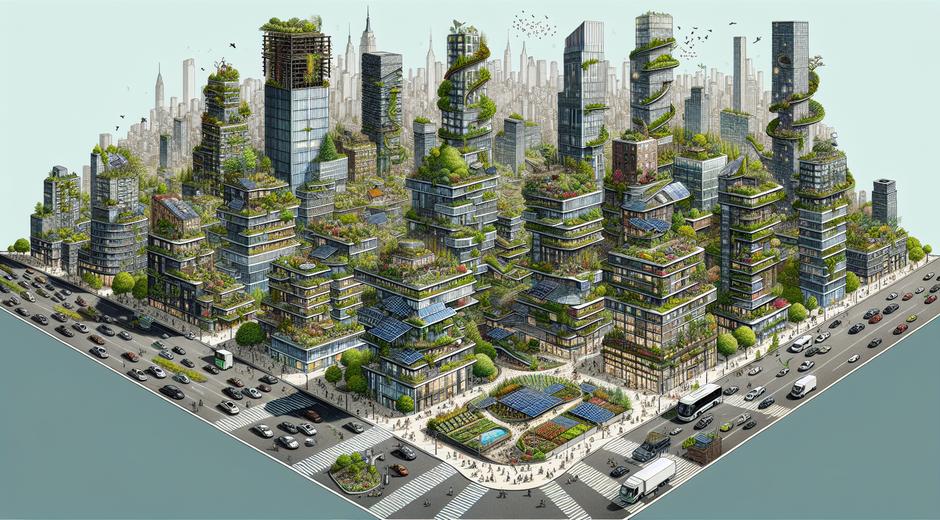
Effective policy combines smart standards with incentives and strong enforcement. Pricing carbon and removing subsidies that promote wasteful production redirect investments into low carbon energy and sustainable land use. Urban planning that promotes compact development public transit and green space increases quality of life while lowering emissions. Protections for wetlands forests and marine habitats preserve natural capital that supports long term resilience. Transparent monitoring linked to community participation strengthens trust and improves outcomes.
Business Role in Restoring Equilibrium
Companies shape supply chains resource flows and consumer choices. When firms adopt science based targets for emissions water use and biodiversity impact they align growth with Environmental Balance. Circular design that extends product life reuses materials and recovers value from waste reduces pressure on raw resources. Investment in low impact production and local sourcing supports social resilience and supply chain stability. Consumers can encourage this shift by choosing products that carry credible environmental claims and by supporting brands that invest in restoration and conservation.
Community Action That Scales
Local communities are often the first responders to environmental decline and the laboratories of practical solutions. Community led restoration of rivers urban tree planting collective management of common lands and local food systems all contribute to Environmental Balance. Education and inclusive decision making empower residents to participate in planning and monitoring. Small scale initiatives can be replicated across regions and linked into national strategies to magnify impact.
Technology and Innovation Supporting Balance
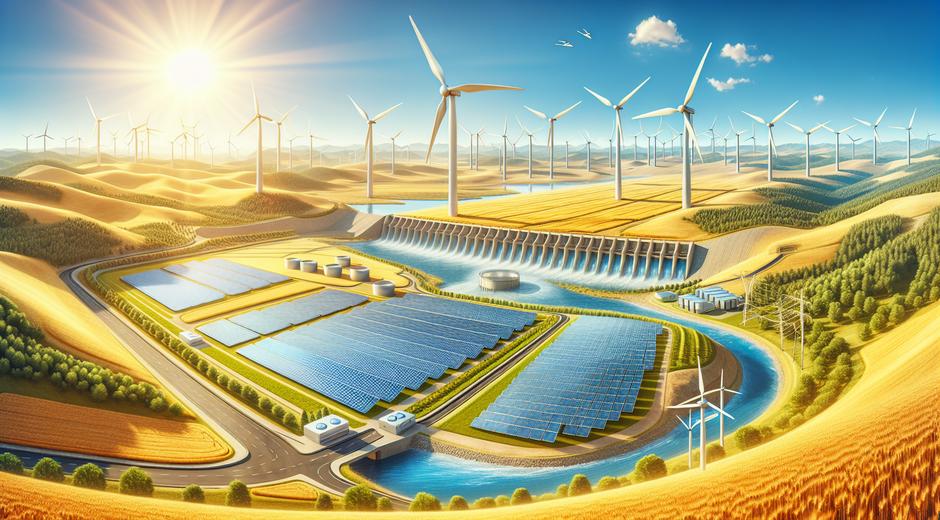
Advances in renewable energy energy storage precision agriculture water efficient systems and nature based solutions provide critical pathways to restore balance. Remote sensing and data analytics improve monitoring of forests wetlands and fisheries enabling faster response to change. Innovation is most effective when paired with social policy that ensures benefits reach marginalized populations and when technologies are deployed in ways that respect local knowledge and biodiversity.
Measuring Progress Toward Environmental Balance
Clear indicators are essential. Metrics that track greenhouse gas emissions biodiversity status fresh water quality and soil carbon provide a picture of progress. Integrated accounting that captures natural capital alongside traditional economic indicators encourages decisions that protect long term value. Community based monitoring builds local capacity and ensures that measures reflect lived experience rather than distant abstractions.
The Role of Travel and Cultural Exchange
Travel connects people to landscapes and cultures and can inspire conservation when done responsibly. Regenerative approaches to travel that invest in local economies protect habitats and honor cultural traditions help create Environmental Balance. Travelers can choose operators and experiences that are committed to community wellbeing and ecological restoration. For those planning journeys that respect places and people consider options featured by trusted travel curators such as TripBeyondTravel.com which highlights experiences that give back to local ecosystems and communities.
How Individuals Can Contribute Every Day
Individual choices matter. Reducing waste conserving energy supporting sustainable food systems and advocating for policy change are practical steps. Everyday actions add up when millions make similar choices. Civic engagement through voting community organizing and public comment strengthens democratic accountability and helps scale solutions that promote Environmental Balance. Staying informed about global and local trends is important and readers can find regular coverage and analysis on trusted platforms like ecoglobalo.com which tracks stories that shape policy science and community action.
Challenges and Tradeoffs to Navigate
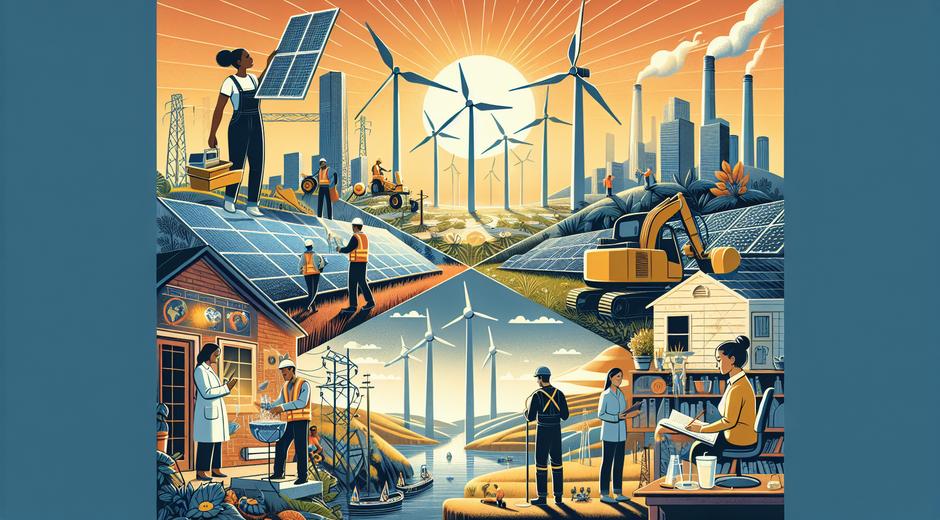
Transitioning to Environmental Balance involves difficult tradeoffs. Energy transitions affect jobs in some industries and land use changes can impact traditional practices. Just transitions that include re training income support and community led planning reduce friction and build political feasibility. Transparent dialogue that acknowledges tradeoffs and centers fairness makes durable solutions more likely to succeed.
A Call to Collective Action
Meeting the challenge of Environmental Balance requires concerted effort across all sectors. Policymakers must set clear goals and enable innovation. Businesses must redesign value chains to be restorative. Communities must lead on local adaptation and stewardship. Individuals must align daily choices with planetary limits. The path forward is complex but achievable if guided by science anchored in equity and supported by broad based engagement.
Conclusion Preserving Balance for Future Generations
Environmental Balance is both an urgent priority and an opportunity to build a fairer more resilient world. By combining strong policy clear business commitments community action and informed individual choices society can restore systems that sustain life and livelihoods. The time to act is now. Each step toward restoration and stewardship strengthens our shared future and ensures that natural systems can continue to support the diversity of life on Earth.
For ongoing coverage strategies and practical resources on Environmental Balance innovations and community stories visit our news hub and resource pages where we track progress and highlight success stories around the globe.