

Nature Restoration
Nature Restoration is one of the most urgent and hopeful agendas of our time. It describes a set of actions that bring degraded ecosystems back to life so they can provide clean air and water, habitat for biodiversity, climate resilience and wellbeing for communities. Effective Nature Restoration merges science policy and hands on practice to repair soils forests wetlands rivers and coastlines around the world.
Why Nature Restoration Matters
Human activity has altered much of the terrestrial and marine surface of Earth. When ecosystems are degraded the services they provide are lost. This affects food systems public health livelihoods and local economies. Investing in Nature Restoration returns value in multiple ways. It reduces erosion improves water yield supports species recovery and stores carbon in living biomass and soils. In many places restored nature also reduces the risk of floods and improves urban livability. The sum of these benefits makes Nature Restoration a cost effective pathway for sustainable development and climate resilience.
Core Principles of Successful Projects
Nature Restoration is most effective when it follows a clear set of principles. First it is important to define realistic goals for the ecosystem that reflect local conditions and cultural values. Second longterm monitoring and adaptive management ensure that interventions can be adjusted as conditions change. Third engagement with local communities and indigenous groups secures the knowledge and stewardship that make restoration sustainable. Fourth scientific baseline assessments guide action so effort and resources are focused where they deliver the greatest return. Finally restoration must be integrated with policy and finance structures so gains can be scaled across landscapes.
Techniques and Practices
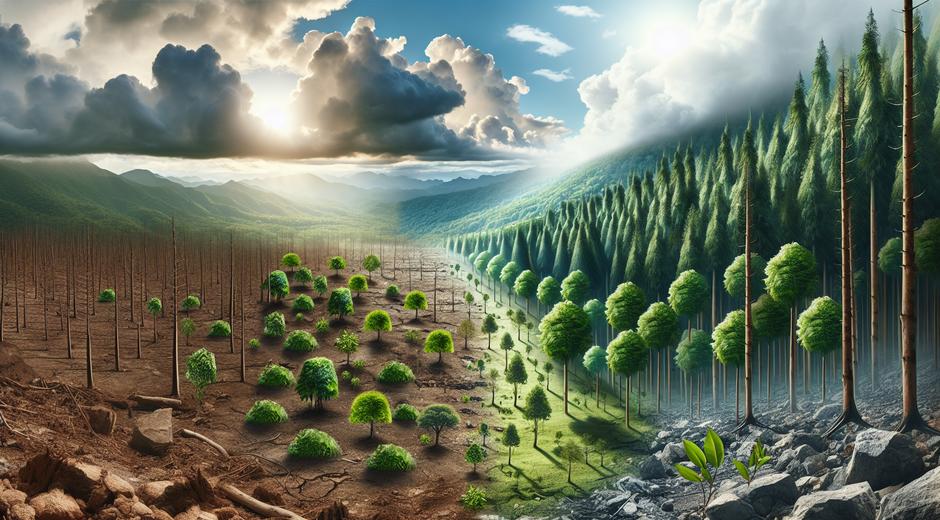
There is no single method that fits every context. Techniques range from planting native trees to re hydrating wetlands to managing grazing and improving soil health. Reforestation and afforestation are widely applied to restore canopy cover and carbon stocks. However Nature Restoration also includes restoring grasslands and savannas maintaining seasonal flow in rivers and protecting coastal habitats such as mangroves and seagrasses.
Soil restoration often begins with reducing tillage controlling erosion and rebuilding organic matter. In agricultural settings this can increase yield and reduce the need for synthetic inputs. In urban settings restoring green corridors and pocket wetlands reconnect biodiversity and provide cooling effects for residents. Species recovery projects may include captive breeding reintroduction and conflict mitigation so that wildlife and people can share space more safely.
Global Initiatives and Targets
International targets now recognize Nature Restoration as a central element of climate and biodiversity strategies. Nations and regional bodies are beginning to set restoration commitments in their conservation and climate plans. Collaborative programs involve governments universities civil society and private sector partners who share data funding and best practice. For readers who want to follow coverage of global restoration stories and learn about projects from many regions a source to bookmark is ecoglobalo.com where news features case studies and practical guides are highlighted.
Measuring Success
Clear indicators are essential. Success metrics include measures of vegetation cover species richness soil carbon water retention and social outcomes such as livelihoods and local capacity. Remote sensing combined with ground surveys creates a robust approach to tracking progress. Transparent reporting allows stakeholders to see the benefits and learn from both success and challenges. As metrics improve funding bodies and investors gain confidence that restoration yields measurable returns for climate and biodiversity goals.
Financing and Policy Mechanisms
Scaling Nature Restoration requires finance instruments that match longterm ecological timelines. Public funding plays a major role in initiating projects and building capacity. Private investment can be mobilized through carbon finance payments biodiversity credits and impact investment structures. Policies that incentivize restoration include conservation planning land use regulations payments for ecosystem services and technical support for land stewards. Innovative platforms now offer tools to connect landowners project developers and funders so that restoration can move from pilot to landscape implementation. For those exploring lifestyle and garden approaches that complement broader restoration efforts there are resources and tips available at StyleRadarPoint.com which cover practical design ideas for green spaces that support biodiversity.
Community Roles and Social Equity
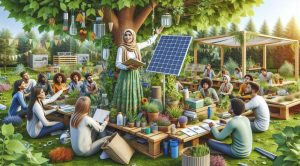
Community engagement is at the heart of enduring Nature Restoration. When local people are included in planning and decision making projects are more likely to reflect cultural values and to be maintained after initial funding ends. Restoration can deliver jobs training and income through nurseries restoration crews and eco tourism. Equity considerations mean prioritizing projects that benefit vulnerable groups and that respect land rights and traditional knowledge. Successful programs build trust and share benefits so that restoration strengthens social cohesion as well as ecological function.
Urban Nature Restoration
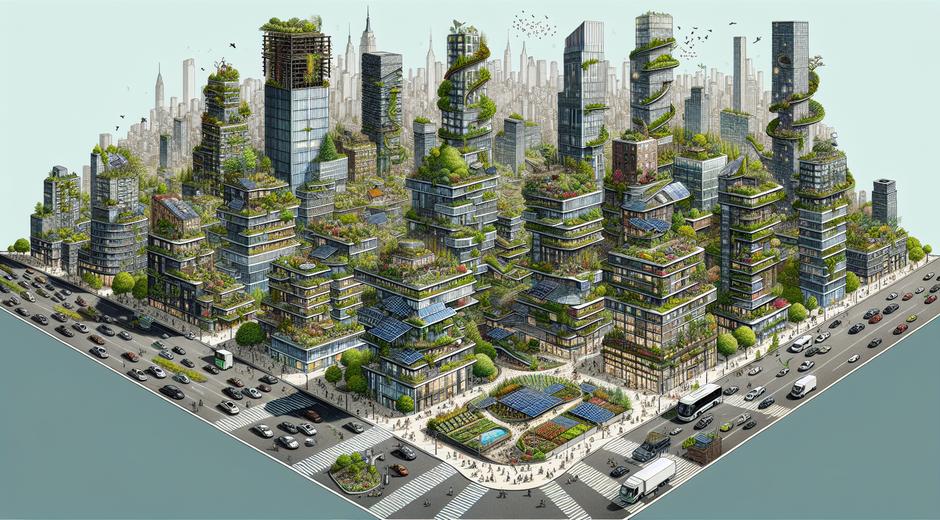
Cities present a unique opportunity. Urban Nature Restoration reconnects people with nature and delivers measurable improvements in air quality cooling and mental health. Actions include creating urban forests restoring riverbanks and converting vacant lots into community green spaces. Green infrastructure also reduces stormwater runoff and enhances local biodiversity. Urban planners and community groups can collaborate to identify priority areas and design multifunctional spaces that serve ecological and social needs.
Technology and Innovation
Advances in remote sensing drones and data analytics are transforming how restoration is planned and monitored. High resolution imagery helps identify degradation hotspots and track vegetation recovery. Drones can assist with targeted tree planting and seed distribution. Machine learning models improve predictive planning by linking climate data with species performance so interventions can be tailored for resilience. These technological tools increase efficiency and transparency so restoration investments are more likely to achieve intended outcomes.
Obstacles and How to Overcome Them
Challenges include limited funding competing land use pressures invasive species and weak governance. Overcoming these obstacles requires multi stakeholder collaboration clear legal frameworks and investment in capacity building. Pilot projects that demonstrate measurable benefits can unlock broader support. Equally important is aligning restoration with local economic priorities so that people see immediate gains alongside longterm ecological outcomes.
How Individuals Can Help
Everyone can contribute to Nature Restoration. Small actions such as planting native species avoiding harmful chemicals in gardens supporting local restoration groups and advocating for green policies add up. Volunteering time or skills with restoration projects is another direct way to contribute. Consumers can also support companies with credible restoration commitments and encourage better corporate practice through informed choices.
The Road Ahead
The global scale of degradation means there is much work to do. Yet Nature Restoration offers a powerful route to address climate biodiversity and social challenges in an integrated way. Success will depend on science driven planning inclusive governance sustainable finance and broad public support. When these elements come together the result is living landscapes that sustain people and the rest of life on Earth.
Nature Restoration is both a responsibility and an opportunity. By supporting well designed projects promoting equitable outcomes and sharing knowledge we can accelerate restoration at the pace and scale the planet needs. For ongoing coverage research briefs and success stories visit the news hub and join the conversation on initiatives that are changing landscapes and lives.