

Planet Care: A Global Call to Action for People and Policy
Planet Care is more than a phrase. It is a strategic mindset that connects community action policy reform and global cooperation to protect natural systems that support life. As climate events reshape economies and societies around the world people and institutions must adopt a Planet Care approach that is practical measurable and resilient. This article explores why Planet Care matters how local actions add up the role of policy and business and ways individuals and communities can make an immediate difference.
Why Planet Care Matters Now
Planet Care addresses urgent threats such as rising temperatures extreme weather loss of biodiversity and pollution that affect health food security and economic stability. Scientific consensus makes clear that delayed response will raise costs and worsen risks for vulnerable populations. Planet Care frames priorities so that mitigation and adaptation receive equal attention and so that equity guides investments in infrastructure and services. Newsrooms and platforms that cover global developments can help by focusing on solutions as well as impacts. For ongoing reporting and context on global environmental trends visit ecoglobalo.com where coverage links community stories with policy analysis.
How Local Actions Add Up
Communities that practice Planet Care see measurable benefits in public health local economies and environmental quality. Small changes in consumption energy use waste management and land stewardship can scale into major reductions in greenhouse gas emissions. For example community tree planting urban wetlands restoration and sustainable farming practices sequester carbon and improve local resilience to floods and droughts. Community led programs that track outcomes build trust and show funders and policy makers that grassroots ideas deliver value. By documenting successes communities create playbooks for replication across regions and cultures.
Policy and Corporate Roles in Planet Care
Governments and corporations shape the rules incentives and infrastructure that determine how quickly societies can transition to lower impact pathways. Effective Planet Care policy uses science based targets transparent monitoring and inclusive planning. This means setting clear emissions goals investing in clean energy resilient transport and nature based solutions while ensuring that workers and communities are supported during change. Corporations have a responsibility to adopt sustainable procurement reduce waste and disclose environmental impacts. When business and government align on Planet Care outcomes innovation follows and investment flows into projects that are both profitable and restorative.
Financing Planet Care Solutions
Financing is central to turning Planet Care ideas into reality. Public budgets private capital and philanthropic funds each play a role. Blended finance models reduce risk for private investors while public funds can provide the first loss cushion needed to scale new technologies and nature based projects. International cooperation helps channel funds to lower income countries where adaptation needs are often greatest. Transparent mechanisms with clear accountability ensure resources reach projects that deliver measurable benefits for people and ecosystems.
Making Technology Work for Planet Care
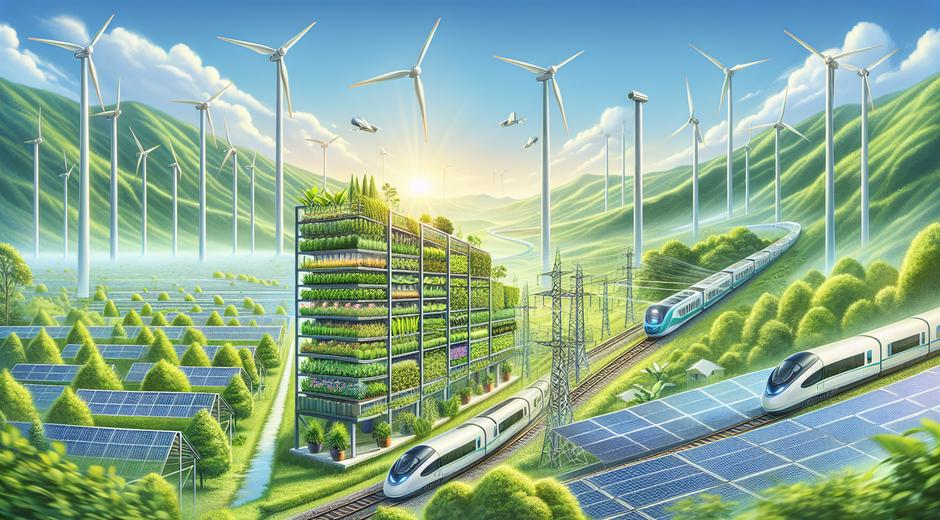
Technologies such as smart grids solar systems precision agriculture and water efficient devices can accelerate Planet Care goals when deployed thoughtfully. Data platforms and remote sensing improve planning and help track progress in near real time. However technology is not a substitute for equitable governance and community engagement. Projects that pair innovation with local knowledge are more likely to succeed and deliver results that last. Education and skills training are essential so that the workforce can adopt and maintain new systems and so that communities can participate in decision making. For resources on building skills that support environmental careers explore StudySkillUP.com which offers learning tools aligned with workforce needs.
Measuring Progress with Transparent Metrics
Planet Care depends on clear metrics and open reporting to show what works. Common indicators include greenhouse gas reductions improvements in air and water quality hectares of restored habitat and metrics for social benefits such as job creation and health improvements. Independent verification and public access to data increase trust and help citizens hold institutions accountable. Media outlets and civil society play a watchdog role while also celebrating successful pilots that can be scaled.
Stories of Successful Planet Care in Practice
Across continents communities are demonstrating the power of Planet Care. Coastal towns that invest in natural shoreline buffers reduce storm damage and preserve fisheries. Cities that convert public transport systems to electric vehicles reduce pollution and improve mobility for low income residents. Rural regions that adopt agroecology practices increase yields and resilience while restoring soils. These stories show that solutions can be adapted to local contexts and can deliver multiple benefits when planned with inclusivity in mind.
How Individuals Can Contribute to Planet Care
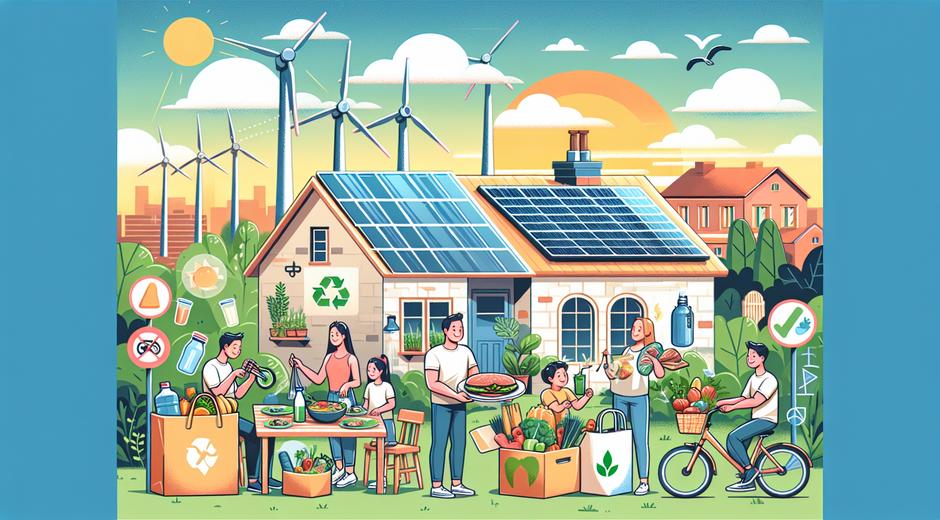
Individual choices matter especially when millions of people adopt similar practices. Reducing waste choosing more sustainable foods and supporting businesses with strong environmental commitments all contribute. Civic engagement is also crucial. Voters can support leaders and policies that prioritize Planet Care. Volunteering in local restoration efforts joining community monitoring programs and sharing reliable information amplify impact. Collective action also helps shift market signals so that sustainable products and services become more widely available.
Creating Long Term Resilience
Resilience under a Planet Care approach means planning for uncertainty by investing in diverse income sources resilient infrastructure and social safety nets. Integrating nature based solutions into urban and rural planning reduces risk while creating economic opportunities. Education systems that incorporate climate literacy prepare young people to contribute to adaptation and mitigation. Ultimately long term resilience links human wellbeing with healthy ecosystems because people depend on clean air safe water and fertile land.
A Call to Action for All Sectors
Planet Care is a shared responsibility. Governments civil society media academia and private enterprise each hold pieces of the solution. By working together it is possible to accelerate transitions toward low impact resilient and equitable societies. The news we read and the stories we tell can encourage adoption of proven practices and spotlight innovation. Readers who want to deepen their knowledge and skill set for participating in environmental careers can find practical courses and resources at StudySkillUP.com which supports learners preparing for roles that advance Planet Care.
Conclusion
Planet Care is both an ethical commitment and a pragmatic blueprint for action. It asks individuals communities governments and businesses to align decisions with ecological limits and social fairness. By investing in prevention adaptation and restoration while supporting transparent measurement and inclusive governance societies can reduce risk and build prosperity that lasts across generations. The path is complex but achievable when knowledge finance technology and political will are directed toward common goals. Start locally think globally and join the movement to ensure that Planet Care becomes an integral part of everyday life.