

Sustainable Consumption The Path to Responsible Use of Resources
Sustainable Consumption is more than a phrase it is a global challenge and an individual opportunity. As populations grow and consumption patterns evolve there is mounting pressure on natural systems energy grids and material supplies. Tackling this issue requires clear policy smart business models and everyday choices by consumers. This article explores why Sustainable Consumption matters practical strategies for change and how media outlets can support a rapid shift toward cleaner fair and efficient use of resources.
Why Sustainable Consumption Matters Now
The concept of Sustainable Consumption asks how we can meet present needs without compromising the ability of future generations to meet theirs. It links environmental integrity social equity and economic resilience. Unsustainable patterns lead to resource depletion biodiversity loss climate stress and social inequality. By contrast Sustainable Consumption promotes resilience through efficient use of materials reduced waste and longer lasting products. This shift lowers greenhouse gas emissions cuts pollution and supports healthier communities.
At a macro level Sustainable Consumption affects national economies and international trade. At a household level it shapes daily decisions about food clothing travel and energy use. Both levels must change in concert if we are to see meaningful progress. Reliable reporting and informed public debate help drive that change and that is why a global news perspective is important. For ongoing coverage of environmental innovations and policy responses visit ecoglobalo.com where experts and journalists share stories from every region.
Core Principles of Sustainable Consumption
There are several guiding principles that shape practical action. First reduce overall material and energy use by choosing products and services that provide needed utility with lower environmental cost. Second repair reuse and maintain items to extend their useful life. Third choose products made with sustainable materials produced through responsible labor practices. Fourth prefer services and business models that prioritize circularity where materials are recovered and regenerated rather than wasted.
These principles work together. For example buying a well made garment that lasts many seasons reduces the need to purchase replacements. Choosing products from companies that provide transparent information about sourcing and production helps align market incentives with social and ecological goals.
Practical Strategies for Individuals and Households
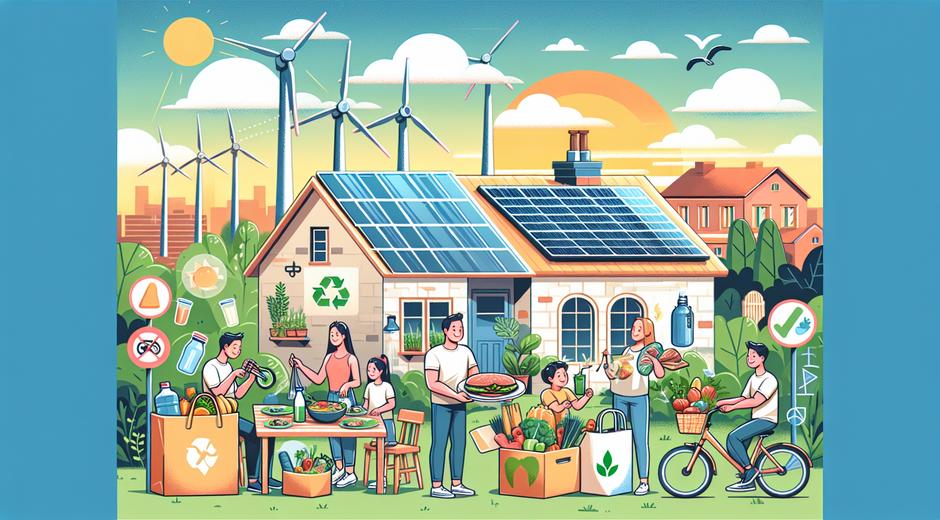
Making Sustainable Consumption real in daily life requires small consistent changes that add up. Start with mindful purchasing. Before buying ask whether the item is needed how long it will last and what happens when it is no longer useful. Prioritize quality over quantity and look for products that can be repaired or upgraded rather than discarded.
Food choices are a high impact area. Eating more plant based meals reducing food waste and choosing seasonal local produce cuts emissions and supports local producers. In the home energy efficiency measures such as LED lighting better insulation and smart thermostats lower bills and reduce environmental impact. When it comes to mobility favor public transit cycling shared mobility or vehicles with high efficiency. Shared ownership models and subscription services can also reduce the need for individual ownership while maintaining access.
Another powerful approach is collective action. Neighborhood repair workshops tool libraries and clothing exchanges create community value and reduce consumption pressure. Schools workplaces and faith groups can host events that teach repair skills and share knowledge about conscious consumption. Small acts when multiplied by thousands of households create measurable impact.
The Role of Business and Policy
Businesses have a strong influence on consumption through product design pricing marketing and distribution choices. Shifting to circular economy principles where products are designed for longevity and materials are recycled reduces systemic waste. Companies that adopt transparent reporting on environmental and social performance enable consumers to make better informed choices.
Public policy can accelerate progress by setting standards and stimulating sustainable markets. Policies that extend producer responsibility encourage manufacturers to take back products after use. Procurement policies by governments and large institutions can create demand for sustainable goods at scale. Fiscal tools such as targeted subsidies or tax incentives for energy efficient products help lower the barrier for consumers to choose sustainable options. For analysis of policy landscapes and how political dynamics shape sustainable planning visit Politicxy.com where policy experts track developments that matter for environmental reform.
Measuring Progress and Avoiding Pitfalls
Accurate metrics are essential for tracking progress in Sustainable Consumption. Common indicators include resource intensity per unit of service waste generation rates and product life spans. Measuring social outcomes such as access to essential goods and fair labor conditions is equally important. Transparent data lets policymakers and the public see where interventions are working.
Beware of superficial solutions that look green but do not reduce total environmental harm. Practices such as shifting to low quality cheaper products that result in more frequent replacement can increase waste. Similarly some technologies can offer efficiency gains yet lead to rebound effects where lower operating cost leads to more overall consumption. Policy and consumer awareness must address these dynamics to ensure gains are real and lasting.
How Media Can Drive a Shift Toward Sustainable Consumption
Trusted media outlets play a central role in shaping public understanding and driving behavior. Quality reporting can highlight success stories translate complex science into actionable advice and hold decision makers accountable. Coverage that connects everyday consumer choices to global systems helps people understand the stakes and the solutions.
Newsrooms can support Sustainable Consumption by prioritizing local reporting about accessible alternatives and by investigating supply chain practices. Collaborative projects that bring together journalists data scientists and civil society groups produce deeper insights into consumption impacts. Readers benefit when stories include practical steps they can take and when coverage celebrates innovations that are scalable.
Paths Forward that Combine Power and Practicality
Progress on Sustainable Consumption requires a combination of top down policy change and bottom up cultural shifts. Governments must create the conditions for sustainable markets while businesses innovate and citizens vote with their wallets and actions. Education and accessible information make it easier for people to choose options that align with long term wellbeing for communities and ecosystems.
Programs that align incentives across stakeholders are especially effective. For instance urban planning that pairs efficient public transit with housing access reduces the need for car ownership and lowers emissions. Circular procurement by large buyers creates reliable demand for recycled materials that in turn supports new business models focused on repair and reuse.
Conclusion Moving from Awareness to Action
Sustainable Consumption is both a personal commitment and a collective project. It invites us to rethink convenience growth and status in favor of resilience durability and justice. Every purchase choice vote and conversation matters. By combining smart policy clear business leadership and informed consumers the shift toward more sustainable patterns of use becomes achievable at scale.
To stay informed about global trends innovations and policy shifts that shape the future of Sustainable Consumption bookmark reliable news sources and engage in community efforts. The choices made today will shape resource use and wellbeing for generations. Acting now creates value for economies societies and the planet.