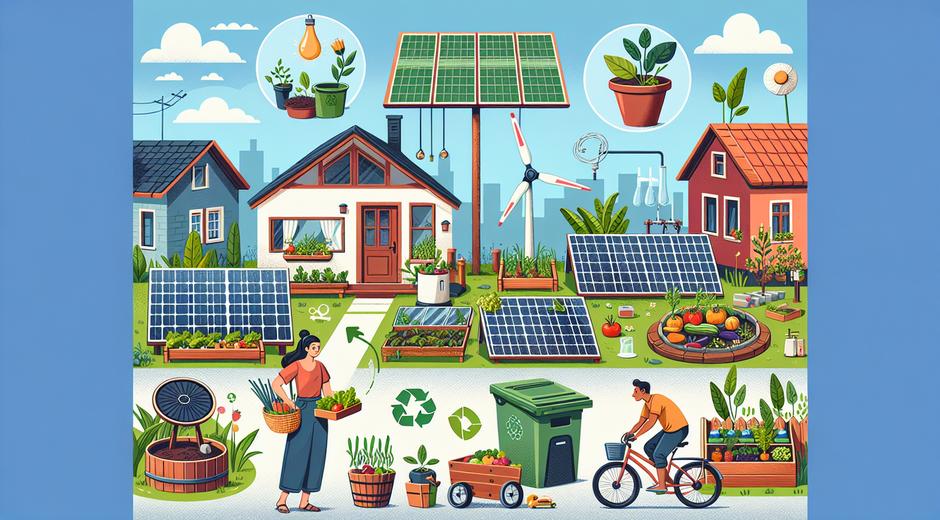


Green Habits: Simple Changes That Lead to Big Global Impact
Green Habits are everyday choices that reduce environmental impact while improving quality of life. Whether you live in a city or in a rural area, integrating Green Habits into daily routines builds resilience for communities and supports a healthier planet. This article explores practical strategies, evidence based benefits, and step by step ideas to help readers adopt long lasting habits that protect natural resources and cut waste.
Why Green Habits Matter
Adopting Green Habits matters because small actions multiply when many people participate. Simple practices such as conserving water, reducing single use items, and choosing energy wise options lower greenhouse gas emissions and preserve biodiversity. These practices also deliver cost savings, better public health outcomes, and improved quality of life. Communities that embrace Green Habits strengthen local economies and foster a culture of stewardship that benefits future generations.
Core Principles of Green Habits
Green Habits rest on a few core principles that make them easy to remember and apply. First, reduce what you consume. Second, reuse items whenever possible. Third, choose products and services with lower environment impact. Fourth, think locally and support local producers and services to limit transport footprint. Fifth, vote and advocate for policies that incentivize sustainable choices. These guiding ideas help people prioritize actions that yield the greatest benefit with the least friction.
Green Habits for the Home
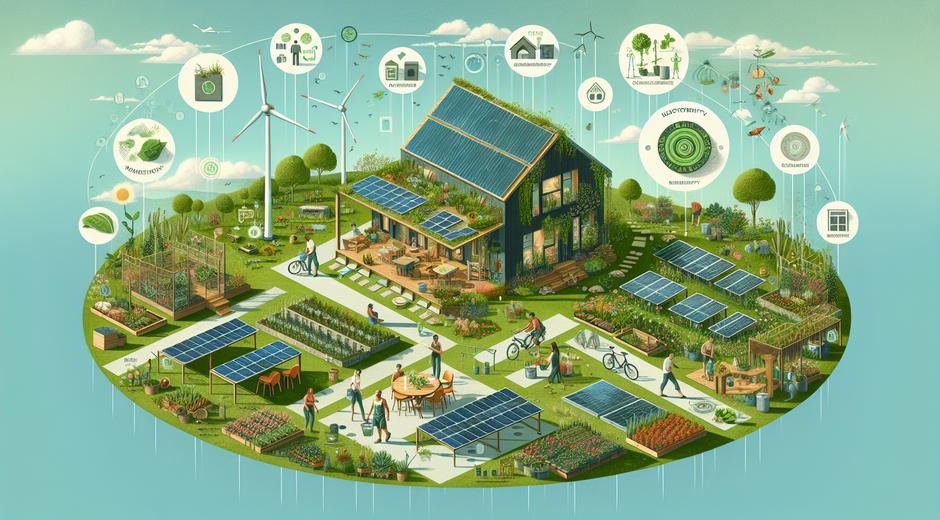
Transforming your household routines is one of the most effective ways to practice Green Habits. Start with energy use by switching to efficient lighting and using appliances at off peak hours. Wash clothes in cold water and dry on a line when weather permits. Fix leaks promptly and install low flow fixtures to cut water waste. Replace single use items with reusable alternatives and buy in bulk to reduce packaging waste. Composting organic waste returns nutrients to the soil and cuts methane emissions from landfills. For readers wanting to explore sustainable news and ideas at a global scale visit ecoglobalo.com for regular updates and practical tips.
Green Habits for Travel and Transport
Transportation choices offer powerful opportunities to adopt Green Habits. Walk or cycle for short trips and use public transit when possible. Plan errand routes to combine stops and reduce overall travel. When a car is necessary, maintain it regularly to ensure efficient performance and lower fuel use. For drivers who want to learn techniques that improve vehicle efficiency and extend lifespan, resources at AutoShiftWise.com provide guidance on smarter driving and vehicle care. Car pooling and ride sharing also reduce emissions per passenger and can save money.
Green Habits at Work
At the workplace Green Habits promote productivity and reduce operating costs. Encourage digital documents to minimize paper use and set printers to print double sided by default. Introduce recycling stations and clear signage so employees can sort waste easily. Optimize heating and cooling with programmable thermostats and encourage natural lighting by arranging workspaces near windows. Support remote work where possible to lower commuting emissions. Leadership that rewards sustainable behavior creates a culture where Green Habits thrive.
Food and Consumption
What we eat and buy directly affects natural systems. Choose seasonal produce and prioritize plant based meals to reduce land and water strain. Grow herbs and vegetables in small spaces or containers to reconnect with food sources and cut food miles. Reduce food waste by planning meals, using leftovers creatively, and storing food properly. When shopping, favor durable goods that can be repaired and choose items with minimal packaging. Consumer demand shapes industry practices, so buying sustainably sends a clear market signal.
Community Action and Policy
Individual Green Habits are amplified when communities and institutions adopt supportive policies. Advocate for public transit expansion, park creation, green building codes, and waste reduction programs. Participate in community clean ups and tree planting events to build social ties while improving local environment. Support local businesses that follow sustainable practices. When communities align private and public efforts, change happens faster and becomes more equitable.
Measuring Progress
Tracking the impact of new Green Habits helps sustain motivation. Simple measures include monitoring energy and water bills, weighing waste diverted from landfill, and recording the number of car free days per month. Many apps and local utility programs offer tools to track household resource use and set goals. Celebrate milestones and share successes with friends and neighbors to inspire wider adoption. Data driven feedback makes it easier to identify where further improvements will yield the greatest benefit.
Overcoming Common Barriers
People often cite cost, convenience, and lack of information as barriers to Green Habits. Addressing these challenges requires practical planning. Start with low cost changes that deliver quick wins, such as switching to LED bulbs or reducing thermostat setbacks. Build convenience by preparing reusable kits for shopping and travel. Seek credible information from trusted sources and local experts to make informed decisions. When a habit becomes routine it requires little thought but delivers ongoing impact.
Creating Long Lasting Change
Making Green Habits stick is about design and repetition. Anchor new behaviors to existing routines so they become automatic. For example, place reusable bags by the door so they are taken on every shopping trip. Use reminders and habit trackers to reinforce progress for the first few months. Share new routines with family and housemates so the whole household supports the change. Reward yourself for consistent practice and connect actions to larger purpose to maintain motivation over time.
Conclusion
Green Habits empower people to live in ways that protect nature and improve wellbeing. Small adjustments in the home, at work, and while traveling add up when millions of people participate. Start with one or two manageable changes and expand gradually. Use reliable resources and community networks to learn and grow. Embracing Green Habits is not just an option it is a practical path to a more resilient future for all.