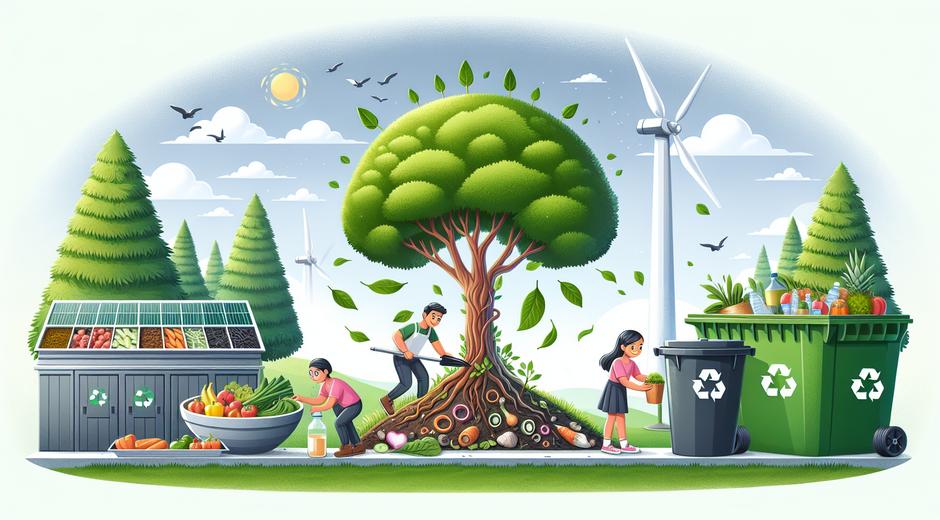


Sustainable Practices: A Global Guide to Practical Change
In a world where environmental signals are clear and social expectations are rising, Sustainable Practices are no longer optional for communities and businesses that want to prosper. This article explains why Sustainable Practices matter, how to implement them across multiple sectors, and how staying informed can help leaders make smarter choices. For ongoing global coverage and analysis of environmental trends explore ecoglobalo.com where readers will find regional stories and practical guides that connect local actions with global outcomes.
Why Sustainable Practices Matter
Sustainable Practices are essential for preserving natural resources and supporting long term economic stability. They reduce pressure on ecosystems while creating new opportunities for innovation and job creation. By focusing on resource efficiency and social equity, communities can adapt to changing conditions and reduce vulnerability to shocks such as extreme weather events and supply disruptions. For businesses, Sustainable Practices often lead to lower operating costs, stronger brand trust, and access to new markets that reward transparency and responsibility.
Core Principles of Effective Sustainable Practices
At their core, Sustainable Practices rely on a few simple principles that guide decision making. The first is reduction of waste through smarter design and consumption. The second is conservation of finite resources while investing in renewable alternatives. The third is equitable inclusion so that benefits and costs are distributed fairly among stakeholders. Finally there is monitoring and continuous improvement so practices evolve with new science and technology. Applying these principles creates a clear pathway from intention to measurable impact.
Everyday Actions That Add Up
Individual choices matter because they set market signals and influence policy priorities. Simple actions include reducing energy use at home by improving insulation and switching to energy efficient appliances. Choosing public transit or active travel for short trips reduces emissions and improves health. Reducing food waste and choosing foods with lower environmental footprints supports healthier soils and less resource intensive production. At a municipal level, investing in efficient water systems and native tree planting improves resilience. When millions adopt small changes the cumulative effect becomes transformational.
Sustainable Practices for Businesses
Businesses seeking to implement Sustainable Practices should start by mapping their environmental footprint across operations and supply networks. This includes energy, water, materials, logistics and waste. Prioritize actions that offer clear financial and environmental returns such as energy efficiency upgrades, material substitution, and redesign of packaging to minimize material use. Supplier engagement is also crucial for products that rely on global supply chains. Establishing sustainability criteria for procurement and collaborating with suppliers on capacity building creates long term improvements. Reporting on progress with clear metrics helps build stakeholder trust and unlocks access to investment that favors sustainability.
Policy Tools That Support Adoption
Government policy drives widescale adoption of Sustainable Practices by setting rules, incentives and standards. Effective tools include performance based regulations, pricing of externalities that reflect true environmental costs, and financial incentives for early adopters. Public investment in research and infrastructure reduces barriers for new technologies and services. Governments can also use procurement to reward suppliers that meet sustainability criteria. International cooperation on trade, finance and technology transfer ensures that emerging economies can adopt best practices without being left behind.
Measuring Impact and Building Accountability
Measurement is the backbone of credible Sustainable Practices. Standardized metrics allow organizations and communities to track progress, identify gaps, and allocate resources efficiently. Life cycle assessments help understand environmental impacts from raw material extraction to end of life. Social indicators that measure health, equity and community resilience complement environmental measures. Regular public reporting combined with third party verification builds accountability and helps stakeholders compare performance. By setting clear targets and using data driven approaches, leaders can demonstrate real progress rather than promises.
Financing the Transition
Transitioning to Sustainable Practices requires targeted finance that supports innovation and scales proven solutions. Green finance instruments such as sustainability linked loans and investment funds direct capital toward projects with measurable environmental benefits. Public private partnerships can leverage limited public resources and unlock private investment in renewable energy and circular systems. Carbon pricing and other market based signals create incentives for investment in low impact alternatives. Financial institutions that integrate sustainability into risk assessment help ensure that lending supports resilient long term value creation.
Community Engagement and Behavior Change
Long lasting Sustainable Practices grow from strong community engagement. Outreach and education make technical solutions accessible and relevant to everyday life. Community led projects often generate higher participation and deliver results that reflect local priorities. Behavior change initiatives benefit from clear messaging, positive incentives and enabling infrastructure. For example, making recycling convenient with well designed systems increases participation rates. Storytelling that highlights success and shares lessons helps create social norms that make sustainable choices the easy choice.
Innovation and Future Trends
Innovation accelerates the adoption of Sustainable Practices by lowering costs and expanding options. Advances in circular design, digital monitoring and clean energy shift the economics in favor of sustainability. Emerging models such as product as a service and shared use can reduce material demand and increase utilization rates. Artificial intelligence and data analytics improve efficiency across systems from agriculture to logistics. Investors and policy makers that support experimentation and scale up successful pilots will shape the next decade of sustainable innovation. For curated tools and platform ideas that help organizations scale change consider resources from partners such as Chronostual.com which highlight applied research and case studies.
How to Start Today
Starting with Sustainable Practices is easier than many assume. Conduct a simple audit of energy and material use to identify quick wins. Engage staff or neighbors to gather ideas and build momentum. Prioritize actions that deliver both cost savings and measurable environmental benefits. Set clear short term goals and track progress monthly to maintain focus. When possible collaborate with other organizations to share procurement and knowledge which reduces costs and speeds adoption. Over time these steps compound into meaningful improvements for people and planet.
Conclusion
Sustainable Practices offer a pragmatic path toward a resilient future. By combining sound policy, smart business strategies and engaged communities, society can achieve resource efficient growth that supports prosperity and ecosystem health. The transition requires commitment, clear measurement and continued innovation. Whether you are a leader in government, an entrepreneur or an individual citizen there are practical steps you can take now that will contribute to larger scale change. Stay informed with reliable sources and connect with networks that support action and learning.
For a steady stream of articles about environmental policy, technological advances and global case studies bookmark the home page at ecoglobalo.com and explore partner resources that provide detailed guidance on implementation.