

Sustainable Transport Systems That Move Cities Toward a Cleaner Future
Creating sustainable transport systems is one of the most important priorities for cities communities and national planners in the twenty first century. As urban populations grow and the pressure on infrastructure intensifies planners must design mobility networks that reduce pollution increase equity and support economic resilience. This article explores the core elements of sustainable transport systems explains proven strategies and offers practical recommendations for policymakers transport operators and citizens who want to accelerate the transition to low emission mobility.
What Is a Sustainable Transport System
A sustainable transport system is an integrated set of mobility options and policies that meet current travel needs while protecting the environment and preserving resources for future generations. Key goals include reducing greenhouse gas emissions cutting local air pollutants improving public health and creating safe accessible options for people of all ages and incomes. Sustainable systems balance public transit active transport shared services and smart management techniques to deliver reliable journeys with minimal environmental impact.
Core Components of Sustainable Mobility
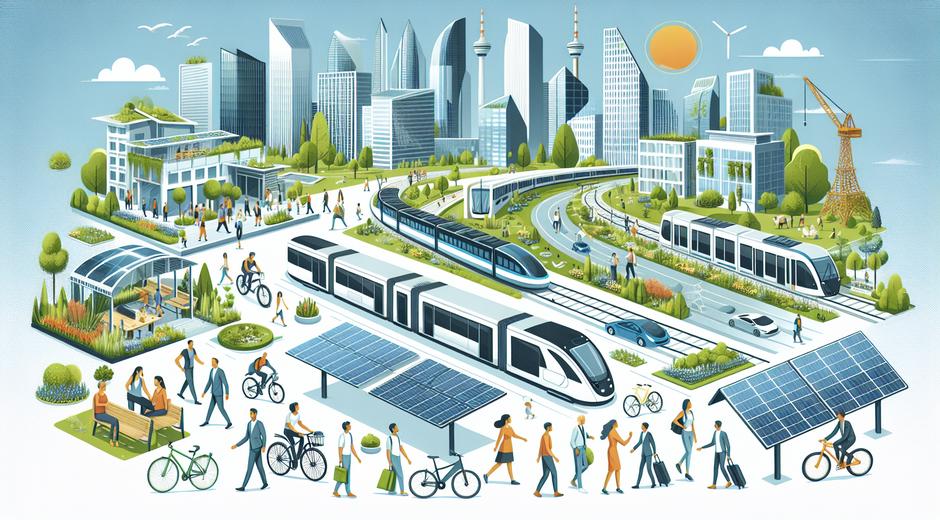
Successful sustainable transport systems combine infrastructure technology and governance in ways that amplify each element. Important components include:
- Public transit networks designed for frequent reliable service and easy transfers
- Electric bus and rail fleets powered by renewable energy
- Infrastructure for walking and cycling that is safe comfortable and connected
- Shared mobility options such as bike share and car share to reduce private vehicle ownership
- Freight solutions that optimize routing and use cleaner vehicle technologies for last mile deliveries
- Integrated ticketing and multimodal trip planning so people can combine modes seamlessly
- Smart traffic management that prioritizes high occupancy vehicles and transit to improve flow
Technology That Enables Cleaner Transport
Advances in vehicle technology energy storage and digital systems are accelerating the shift to sustainable transport systems. Electric vehicles are at the center of many strategies because they can eliminate tailpipe emissions when charged from renewable energy. In addition to electric cars light duty electric buses and medium duty vehicles for deliveries are becoming more affordable and reliable.
Digital systems such as real time passenger information demand responsive transit and predictive traffic control improve service quality and efficiency. Mobility as a service platforms help riders plan and pay for trips across modes including public transit bike share and ride share. Freight logistics platforms reduce empty trips through better matching and routing which lowers overall emissions.
Urban Design and Land Use That Support Mobility
Transport systems do not exist in isolation. Land use decisions shape travel demand and determine whether people can reach jobs services and education without long car commutes. Compact mixed use development that places homes near shops workplaces and transit stations reduces trip lengths and enables active travel. Streets designed for people rather than car speed create safer environments for walking and cycling and boost local economic activity.
Transit oriented development encourages higher density nodes around transit hubs. This approach increases ridership and makes public transport financially sustainable while reducing the space devoted to parking and road capacity. When cities align zoning with sustainable transport goals they unlock synergies that lower emissions and improve quality of life.
Policy Measures That Drive Change
Policy plays a decisive role in shaping sustainable transport systems. Effective measures include pricing strategies and regulatory standards that incentivize low emission modes. Congestion pricing and road use fees can reduce unnecessary vehicle trips and generate funds to expand public transit. Fuel efficiency standards and emission targets speed the transition to cleaner vehicles.
Subsidies and targeted investments can lower the upfront cost of electric buses or charging infrastructure while procurement rules can favor low emission vehicles for public fleets. Land use policies that require bike parking and accessible transit connections for new developments help create long lasting change.
Financing and Economic Benefits
Investing in sustainable transport systems delivers multiple economic benefits. Reduced congestion means less time lost to travel which boosts productivity. Improved air quality reduces healthcare costs and fewer road accidents lower social costs. Many projects that expand public transit and active travel have strong benefit cost ratios especially when health and climate impacts are included.
Financing models include public investment public private partnerships value capture and user fees. Carefully designed funding mechanisms can support both capital investments and ongoing operations. When communities can demonstrate strong social and environmental returns investors and grant programs are often willing to support innovative projects.
Equity and Accessibility
Sustainable transport systems must be equitable. Equity means ensuring that low income communities rural residents and people with mobility limitations have access to affordable reliable transport. Policies that only focus on technology without addressing fare structures service coverage and physical accessibility risk widening social divides.
Programs that subsidize fares for low income riders improve access to jobs and services. Designing stations and vehicles for accessibility and prioritizing routes that serve underserved neighborhoods ensures the benefits of cleaner mobility reach all citizens.
Challenges to Implementation
There are real obstacles to building sustainable transport systems. Upfront capital costs for infrastructure and fleets can be high institutional fragmentation across agencies complicates coordination and changing long established travel behavior takes time. Political will and continuous investment are essential to overcome these barriers.
Technical challenges include integrating disparate data systems and aligning regulatory frameworks that were designed for a world of private car centric travel. However with clear targets stakeholder engagement and phased implementation many cities have shown rapid progress.
Successful Case Examples
Several cities provide lessons for scalable solutions. Cities that invest in high frequency bus corridors and protected cycling networks often see rapid increases in ridership and mode shift. Programs that pair bike share with reduced transit fares or that convert underused road space to busways deliver measurable improvements in travel times and emissions.
Early adopters of electric buses combined with renewable energy charging schemes demonstrate how fleet electrification can be achieved at scale with lower operating costs than legacy diesel fleets. Freight consolidation centers and micro hub networks in dense urban cores reduce delivery related congestion and emissions while improving reliability for retailers.
How Communities Can Get Started
For local governments and community groups the path to sustainable transport systems begins with clear goals and data driven planning. Steps include assessing current travel patterns identifying priority corridors and engaging residents to capture local needs. Pilot projects can test new ideas at lower cost and provide evidence for wider rollout.
Capacity building for transit agencies and planners helps ensure that new systems are well designed and resilient. Partnerships with universities and industry bring technical expertise and innovation. For continuous learning and global perspectives visit ecoglobalo.com where you will find curated reporting on transport policy technology and international best practices.
Education and Workforce Development
Transitioning to sustainable transport systems creates demand for new skills in vehicle maintenance charging infrastructure and digital operations. Training programs for technicians planners and operators ensure that workforce pipelines match the pace of change. Online courses and certification programs can help current professionals reskill and prepare new entrants for a green mobility economy. For resources on learning pathways and career development check programs from a trusted education platform such as StudySkillUP.com which offers practical courses that support careers in sustainable industries.
Measuring Success
Robust metrics are key to tracking progress. Important indicators include modal share emission levels per passenger kilometer public transit ridership and average travel times. Health related metrics such as rates of respiratory illness and measures of physical activity also reflect the benefits of active transport investments.
Transparent reporting builds public trust and helps refine policy. Data driven decision making ensures that investments deliver the greatest social economic and environmental returns.
Conclusion
Designing sustainable transport systems is both a technical challenge and a social opportunity. By combining clean technology multimodal design equitable policy and strong public engagement cities can reduce emissions improve public health and create more livable neighborhoods. The transition will require coordinated funding innovative pilots and a focus on workforce development but the long term benefits are profound. As communities plan their next steps they can draw on global best practices and accessible learning resources to accelerate change and ensure that mobility serves people and the planet.