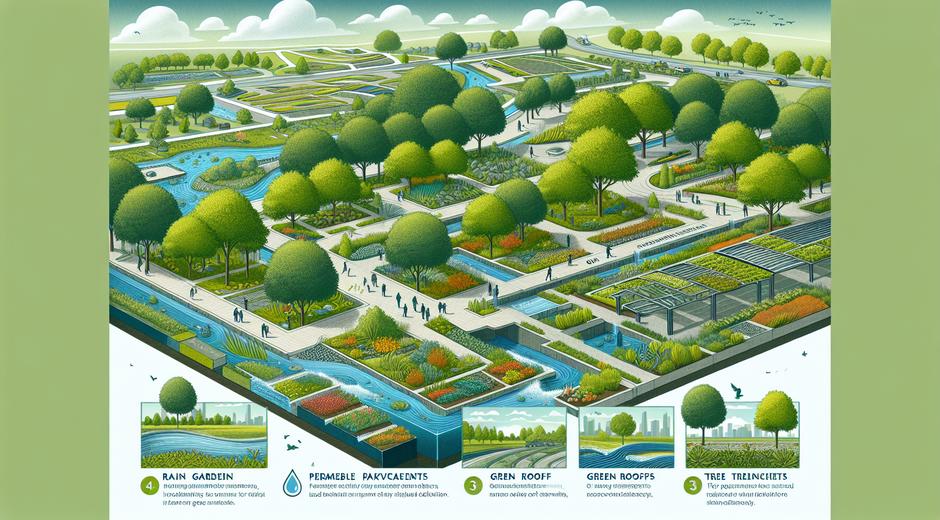


Eco Responsibility The Global Call To Action
Eco Responsibility is more than a slogan. It is a practical framework for individuals governments corporations and communities to make choices that sustain natural systems and protect human health. As the world faces unprecedented climate pressure biodiversity loss and resource scarcity the concept of Eco Responsibility has moved from niche to necessary. This article outlines why Eco Responsibility matters how it can be measured and adopted and what leaders and citizens can do right now to turn intent into impact.
Why Eco Responsibility Matters Now
Global trends show rising temperatures extreme weather events and shrinking habitats. Each of these trends carries human cost in terms of health safety and economic stability. Eco Responsibility aligns environmental protection with social equity and economic resilience. By embracing Eco Responsibility decision makers reduce risk create new economic opportunities and protect future generations. When consumers and voters demand sustainable supply chains clean energy and transparent reporting companies respond. This creates a positive feedback loop where Eco Responsibility becomes a market advantage and a moral imperative.
Core Principles Of Eco Responsibility
Successful Eco Responsibility initiatives rest on a set of core principles. These include accountability where organizations report on environmental performance with transparency. They include prevention where actions avoid harm rather than merely mitigate it. They include efficiency where resource use is optimized to reduce waste and improve long term viability. They include inclusivity where community voices and indigenous knowledge shape policy and implementation. Together these principles create a roadmap for measurable progress.
How Individuals Can Practice Eco Responsibility
Every person can make meaningful changes that contribute to broader systemic shifts. Simple practical choices such as choosing products with low environmental cost reducing energy use and supporting local producers make a real difference when adopted at scale. Civic engagement also matters. Voting for policies that prioritize sustainable infrastructure and holding leaders accountable multiplies the effect of private actions. For those seeking reliable information and a community of interest resources like ecoglobalo.com provide news analysis and practical guides to help turn intention into daily practice.
Corporate Eco Responsibility Strategies That Work
Companies can no longer treat sustainability as an optional public relations activity. Investors employees and customers expect tangible commitment. Effective corporate Eco Responsibility begins with a clear policy aligned to global science based targets. It includes measuring baseline emissions water use and waste streams then setting targets for reduction and elimination. It also requires supply chain engagement so that sourcing reflects environmental standards and social safeguards. Programs that integrate circular design extended producer responsibility and product longevity reduce environmental footprint while often lowering cost over time.
Measuring Progress In Eco Responsibility
What gets measured gets managed. For Eco Responsibility to be credible organizations and governments must adopt rigorous metrics and transparent reporting. Common frameworks include greenhouse gas accounting lifecycle analysis and biodiversity risk assessment. Third party verification builds trust and helps stakeholders compare performance across sectors. Measurement also enables adaptive management. When data shows where efforts fall short leaders can reallocate investment and refine strategies so progress accelerates.
Policy Tools To Advance Eco Responsibility
Public policy plays a central role in scaling Eco Responsibility. Effective tools include standards and regulations that set minimum performance expectations incentives for clean technology and funding for research and community transition programs. Market based mechanisms such as pricing carbon or rewarding ecosystem services align private behavior with public good. Equally important are policies that support workforce transition so workers in carbon intensive sectors can access new opportunities in renewable energy conservation and sustainable agriculture.
Community Driven Models Of Eco Responsibility
Local communities often lead with practical solutions that can be replicated at scale. Community energy cooperatives neighborhood waste reduction programs and urban greening projects show how local leadership translates into broader benefits. These models emphasize participation and equity ensuring that vulnerable populations gain access to clean air safe water and resilient infrastructure. When governments partner with local groups they unlock innovation and trust that top down efforts alone may not achieve.
Technology Innovation And Eco Responsibility
Innovation in technology offers powerful tools for expanding Eco Responsibility. Advances in energy storage clean production processes and precision agriculture reduce resource intensity and limit pollution. Digital platforms enable real time monitoring of emissions and supply chain traceability which strengthens accountability. Yet technology alone is not enough. Adoption must be guided by ethical frameworks labor protections and attention to unintended consequences to ensure benefits are shared widely.
Building A Culture Of Long Term Thinking
At its heart Eco Responsibility is about shifting culture from short term gain to long term stewardship. Education media business practice and policy all shape norms. When schools teach ecological literacy when media highlight restorative success stories and when businesses reward sustainable performance cultural incentives align with environmental goals. This cultural shift creates momentum where responsible choices become default choices for most people.
Practical Steps For Action Today
To make Eco Responsibility tangible try these practical steps: evaluate your household energy and water use set realistic reduction targets choose products from transparent supply chains support local food producers and get involved in local planning efforts. Businesses can conduct a sustainability audit set measurable targets and engage suppliers on environmental standards. Governments can adopt clear performance targets incentivize clean innovation and ensure that transition plans protect working communities.
Where To Find Trusted Resources And Partners
Finding reliable partners speeds progress. There are expert organizations consulting firms and community partners specializing in measurement policy and on the ground implementation. For consumers seeking ethical beauty products that align with Eco Responsibility standards check reputable retailers and brands that publish ingredient sourcing and packaging practices. For those interested in natural beauty solutions and tips that reflect sustainable values consider exploring content and product reviews on sites like BeautyUpNest.com which can help guide purchases toward brands that prioritize environmental care.
Conclusion Eco Responsibility As A Shared Journey
Eco Responsibility is both an individual ethic and a collective strategy. It asks us to recognize that our choices ripple outward and that systems change requires coordinated action across sectors and geographies. By adopting clear principles measuring outcomes investing in innovation and nurturing community we can protect natural systems and enhance human wellbeing. The path will require trade offs learning and persistence yet the payoff is a more resilient fair and prosperous future. Start today by learning sharing and acting. Each step toward Eco Responsibility moves us closer to a world where thriving economies rest on a healthy planet.